Skip to content

High-quality research proteins.

  • 1-800-805-6531

  • Mon - Sat 8.00-18.00, Sun - Closed

  • info@prospecbio.com

  • PO Box 6591 East Brunswick NJ 08816

  • Products
    • Cytokines
    • Growth factors
    • Chemokines
    • Cd antigens
    • Neurotrophins
    • Hormones
    • Enzymes
    • Viral antigens
    • Recombinant proteins
    • Natural proteins
    • Monoclonal antibodies
    • Polyclonal antibodies
    • Thermal Packaging
  • About
    • Company
    • Founder
    • Contribution
  • Customers
    • Eastern Asia
    • Eastern Europe
    • North America
    • South America
    • South East Asia
    • Southern Asia
    • Western Europe
  • Ordering
    • Ordering Method
    • Ordering - Credit Card
    • Ordering - PO
    • Shipping Fees
    • FAQs
  • Services
    • DNA Cloning
    • Protein Expression
    • Monoclonal Antibody
    • Fermentation
    • Technology License
  • Contact us
Log in

Country/region

  • USD $ | Albania
  • USD $ | Andorra
  • USD $ | Argentina
  • USD $ | Armenia
  • USD $ | Australia
  • USD $ | Austria
  • USD $ | Azerbaijan
  • USD $ | Belarus
  • USD $ | Belgium
  • USD $ | Bolivia
  • USD $ | Brazil
  • USD $ | Bulgaria
  • USD $ | Cambodia
  • USD $ | Canada
  • USD $ | Chile
  • USD $ | China
  • USD $ | Colombia
  • USD $ | Costa Rica
  • USD $ | Croatia
  • USD $ | Cyprus
  • USD $ | Czechia
  • USD $ | Denmark
  • USD $ | Estonia
  • USD $ | Finland
  • USD $ | France
  • USD $ | Georgia
  • USD $ | Germany
  • USD $ | Greece
  • USD $ | Hong Kong SAR
  • USD $ | Hungary
  • USD $ | Iceland
  • USD $ | India
  • USD $ | Ireland
  • USD $ | Israel
  • USD $ | Italy
  • USD $ | Japan
  • USD $ | Kazakhstan
  • USD $ | Latvia
  • USD $ | Liechtenstein
  • USD $ | Lithuania
  • USD $ | Madagascar
  • USD $ | Malta
  • USD $ | Mexico
  • USD $ | Moldova
  • USD $ | Monaco
  • USD $ | Netherlands
  • USD $ | New Zealand
  • USD $ | North Macedonia
  • USD $ | Norway
  • USD $ | Panama
  • USD $ | Paraguay
  • USD $ | Peru
  • USD $ | Philippines
  • USD $ | Poland
  • USD $ | Portugal
  • USD $ | Romania
  • USD $ | Singapore
  • USD $ | Slovakia
  • USD $ | Slovenia
  • USD $ | South Africa
  • USD $ | South Korea
  • USD $ | Spain
  • USD $ | Sri Lanka
  • USD $ | Sweden
  • USD $ | Switzerland
  • USD $ | Taiwan
  • USD $ | Thailand
  • USD $ | Türkiye
  • USD $ | Ukraine
  • USD $ | United Kingdom
  • USD $ | United States
  • USD $ | Uruguay
  • USD $ | Vatican City
  • USD $ | Venezuela
  • USD $ | Vietnam
  • Facebook
  • Instagram
logoProSpec - Recombinant Protein Manufacturer for academic and R&D industry
Become a distributor
Account Log in
Wishlist
Cart Cart(0)
  • Products
    +
    • Cytokines
    • Growth factors
    • Chemokines
    • Cd antigens
    • Neurotrophins
    • Hormones
    • Enzymes
    • Viral antigens
    • Recombinant proteins
    • Natural proteins
    • Monoclonal antibodies
    • Polyclonal antibodies
    • Thermal Packaging
  • About
    +
    • Company
    • Founder
    • Contribution
  • Customers
    +
    • Eastern Asia
    • Eastern Europe
    • North America
    • South America
    • South East Asia
    • Southern Asia
    • Western Europe
  • Ordering
    +
    • Ordering Method
    • Ordering - Credit Card
    • Ordering - PO
    • Shipping Fees
    • FAQs
  • Services
    +
    • DNA Cloning
    • Protein Expression
    • Monoclonal Antibody
    • Fermentation
    • Technology License
  • Contact us

Item added to your cart

View cart
View All
  • Cytokines
  • Growth factors
  • Chemokines
  • Cd antigens
  • Neurotrophins
  • Hormones
  • Enzymes
  • Viral antigens
  • Recombinant proteins
  • Natural proteins
  • Monoclonal antibodies
  • Polyclonal antibodies
  • Thermal Packaging
  • Tumor Necrosis Factor

    Tumor Necrosis Factor

    View All
  • 4-1BB

    4-1BB

    View All
  • Adiponectin

    Adiponectin

    View All
  • AIF1

    AIF1

    View All
  • Other Cytokines

    Other Cytokines

    View All
  • AITRL

    AITRL

    View All
  • Angiopoietin

    Angiopoietin

    View All
  • Apolipoprotein

    Apolipoprotein

    View All
  • B-Cell Activating Factor

    B-Cell Activating Factor

    View All
  • Beta Defensin

    Beta Defensin

    View All
  • Bone Morphogenetic Protein

    Bone Morphogenetic Protein

    View All
  • B type Natriuretic Peptide

    B type Natriuretic Peptide

    View All
  • BST

    BST

    View All
  • Betacellulin

    Betacellulin

    View All
  • Cardiotrophin

    Cardiotrophin

    View All
  • Activin

    Activin

    View All
  • Fibroblast Growth Factor

    Fibroblast Growth Factor

    View All
  • Other Growth Factors

    Other Growth Factors

    View All
  • CSF

    CSF

    View All
  • CTGF

    CTGF

    View All
  • IGFBP

    IGFBP

    View All
  • VEGF Protein

    VEGF Protein

    View All
  • EGF

    EGF

    View All
  • Epigen

    Epigen

    View All
  • Erythropoietin

    Erythropoietin

    View All
  • Insulin-Like Growth Factor

    Insulin-Like Growth Factor

    View All
  • Growth Hormone

    Growth Hormone

    View All
  • HDGF

    HDGF

    View All
  • Hepatocyte Growth Factor

    Hepatocyte Growth Factor

    View All
  • Insulin

    Insulin

    View All
  • BCA-1/ BLC (CXCL13)

    BCA-1/ BLC (CXCL13)

    View All
  • BRAK (CXCL14)

    BRAK (CXCL14)

    View All
  • C-10 (CCL6)

    C-10 (CCL6)

    View All
  • Other Chemokines

    Other Chemokines

    View All
  • MEC (CCL28)

    MEC (CCL28)

    View All
  • LD78-beta (CCL3L1)

    LD78-beta (CCL3L1)

    View All
  • CTACK (CCL27)

    CTACK (CCL27)

    View All
  • CXCL16

    CXCL16

    View All
  • CXCL17

    CXCL17

    View All
  • Platelet Factor-4 (CXCL4)

    Platelet Factor-4 (CXCL4)

    View All
  • ENA-78 (CXCL5)

    ENA-78 (CXCL5)

    View All
  • Eotaxin (CCL11,24,26)

    Eotaxin (CCL11,24,26)

    View All
  • Exodus-2 (CCL21)

    Exodus-2 (CCL21)

    View All
  • Fractalkine (CX3CL1)

    Fractalkine (CX3CL1)

    View All
  • CXCL6

    CXCL6

    View All
  • Other CD Antigens

    Other CD Antigens

    View All
  • CD14

    CD14

    View All
  • CD164

    CD164

    View All
  • CD1

    CD1

    View All
  • CD2

    CD2

    View All
  • CD200

    CD200

    View All
  • CD207

    CD207

    View All
  • CD226

    CD226

    View All
  • CD23

    CD23

    View All
  • CD244

    CD244

    View All
  • CD247

    CD247

    View All
  • CD27

    CD27

    View All
  • CD274

    CD274

    View All
  • CD300

    CD300

    View All
  • CD33

    CD33

    View All
  • Other Neurotrophins

    Other Neurotrophins

    View All
  • Beta-NGF

    Beta-NGF

    View All
  • BDNF

    BDNF

    View All
  • CDNF

    CDNF

    View All
  • CNTF

    CNTF

    View All
  • GDNF

    GDNF

    View All
  • Glia Maturation Factor

    Glia Maturation Factor

    View All
  • MANF

    MANF

    View All
  • Midkine

    Midkine

    View All
  • Neuroglobin

    Neuroglobin

    View All
  • Neurotrophic factors

    Neurotrophic factors

    View All
  • Neuregulin

    Neuregulin

    View All
  • Neuropilin

    Neuropilin

    View All
  • Pigment Epithelium-Derived Factor

    Pigment Epithelium-Derived Factor

    View All
  • Pleiotrophin

    Pleiotrophin

    View All
  • Peptide Hormones

    Peptide Hormones

    View All
  • Other Hormones

    Other Hormones

    View All
  • HCG

    HCG

    View All
  • Endothelin

    Endothelin

    View All
  • Exendin

    Exendin

    View All
  • FSH

    FSH

    View All
  • Glucagon

    Glucagon

    View All
  • GHRP

    GHRP

    View All
  • GLP

    GLP

    View All
  • Thyrostimulin

    Thyrostimulin

    View All
  • Inhibin A

    Inhibin A

    View All
  • LHRH

    LHRH

    View All
  • Melanotan

    Melanotan

    View All
  • Procalcitonin

    Procalcitonin

    View All
  • PTH

    PTH

    View All
  • Peroxiredoxin

    Peroxiredoxin

    View All
  • Peptidase

    Peptidase

    View All
  • Synthetase

    Synthetase

    View All
  • Transferase

    Transferase

    View All
  • Hydrolase

    Hydrolase

    View All
  • Dehydrogenase

    Dehydrogenase

    View All
  • ACE2

    ACE2

    View All
  • Esterase

    Esterase

    View All
  • Protein Kinases

    Protein Kinases

    View All
  • Other Enzymes

    Other Enzymes

    View All
  • Phosphatase

    Phosphatase

    View All
  • Deaminase

    Deaminase

    View All
  • Oxygenase

    Oxygenase

    View All
  • Adenylate Kinase

    Adenylate Kinase

    View All
  • Lyase

    Lyase

    View All
  • Chagas

    Chagas

    View All
  • SARS

    SARS

    View All
  • Influenza

    Influenza

    View All
  • ASFV

    ASFV

    View All
  • Astrovirus

    Astrovirus

    View All
  • Borrelia

    Borrelia

    View All
  • Helicobacter Pylori

    Helicobacter Pylori

    View All
  • Chikungunya

    Chikungunya

    View All
  • Chlamydia

    Chlamydia

    View All
  • Cytomegalo

    Cytomegalo

    View All
  • Dengue

    Dengue

    View All
  • EBV

    EBV

    View All
  • Ebola

    Ebola

    View All
  • Feline Leukemia Virus

    Feline Leukemia Virus

    View All
  • Hepatitis A

    Hepatitis A

    View All
  • Other

    Other

    View All
  • Actin

    Actin

    View All
  • ADAM

    ADAM

    View All
  • Complement Component

    Complement Component

    View All
  • Ag85

    Ag85

    View All
  • Eukaryotic Translation Initiation Factor

    Eukaryotic Translation Initiation Factor

    View All
  • Anterior Gradient Protein

    Anterior Gradient Protein

    View All
  • Heat Shock Protein

    Heat Shock Protein

    View All
  • Alpha-2-HS-Glycoprotein

    Alpha-2-HS-Glycoprotein

    View All
  • Hemoglobin

    Hemoglobin

    View All
  • Allergy

    Allergy

    View All
  • Anaplasma

    Anaplasma

    View All
  • Angiogenin

    Angiogenin

    View All
  • Ankyrin Repeat Domain

    Ankyrin Repeat Domain

    View All
  • Annexin

    Annexin

    View All
  • Other Natural Proteins

    Other Natural Proteins

    View All
  • Aprotinin

    Aprotinin

    View All
  • Transferrin

    Transferrin

    View All
  • Avidin

    Avidin

    View All
  • Anti Coagulation Factors

    Anti Coagulation Factors

    View All
  • Natural Albumin

    Natural Albumin

    View All
  • Natural Coagulation Factors

    Natural Coagulation Factors

    View All
  • Fibronectin

    Fibronectin

    View All
  • Thrombin

    Thrombin

    View All
  • Anti Human Enzyme

    Anti Human Enzyme

    View All
  • Other Monoclonal Antibodies

    Other Monoclonal Antibodies

    View All
  • Anti Human Cytokine

    Anti Human Cytokine

    View All
  • Anti Human Heat Shock Protein

    Anti Human Heat Shock Protein

    View All
  • Anti Mouse Lymphocyte

    Anti Mouse Lymphocyte

    View All
  • Anti Human Chemokine

    Anti Human Chemokine

    View All
  • Anti Human Lymphocyte

    Anti Human Lymphocyte

    View All
  • Anti Viral Monoclonal

    Anti Viral Monoclonal

    View All
  • Anti Mouse Cytokine

    Anti Mouse Cytokine

    View All
  • Anti-GST Monoclonal

    Anti-GST Monoclonal

    View All
  • Other Polyclonal Antibodies

    Other Polyclonal Antibodies

    View All
  • Anti Viral

    Anti Viral

    View All
  • Anti-GST Monoclonal

    Anti-GST Monoclonal

    View All
Back

Search results

1000 results found for “TTC”

Name

Description

Product #

Price

Quantity

Shipping Method

  • View Data Sheet

    Name :

    SERPINA1 Human, Active

    Description:

    Alpha-1 Antitrypsin, Active Human Recombinant

    Alpha-1-antitrypsin, Alpha-1 protease inhibitor, Alpha-1-antiproteinase, SERPINA1, A1AT, PI, A1A, AAT, PI1, MGC9222, PRO2275, MGC23330.

    Product # :

    PRO-907

    Price :

    Quantity :

    Shipping Method :

    Room Temp Icon

    Shipped at Room temp

    Add To Cart

    More Info

    • description
    • source
    • formulation
    • purity
    • biological activity
    • More Info

    Description

    SERPINA1 Human Recombinant produced in rice is a single, non-glycosylated polypeptide chain containing 384 amino acids and having a molecular mass of 43.1 kDa.The SERPINA1 protein is purified by proprietary chromatographic techniques.

    Source

    Rice Grain (Oryza Sativa).

    Formulation

    SERPINA1 was lyophilized from a concentrated solution containing recombinant Albumin.

    Purity

    Greater than 95% as determined by SDS-PAGE.

    Biological Activity

    3~5 mg SERPINA1 will inhibit 1 mg PPE with an activity of 10.8 units per mg protein

    More Info

    • Introduction

      SERPINA1 is secreted and is a serine protease inhibitor which its targets include elastase, plasmin, collagenase, leucocytic proteases, trypsin, chymotrypsin, and plasminogen activator. Defects in SERPINA1 gene can cause emphysema or liver disease. SERPINA1 is an endogenous inhibitor of serine proteases and inhibits the catalytic domain of human recombinant matriptase in vitro. Rise in SERPINA1 occurs as an acute phase response to tissue necrosis and inflammation. mutations in SERPINA1 and SLC11A1 genes change the balance between elastase produced by leukocytes during phagocytosis.

    • Synonyms

      Alpha-1-antitrypsin, Alpha-1 protease inhibitor, Alpha-1-antiproteinase, SERPINA1, A1AT, PI, A1A, AAT, PI1, MGC9222, PRO2275, MGC23330.

    • Physical Appearance

      Sterile Filtered White lyophilized (freeze-dried) powder.

    • Stability

      Lyophilized SERPINA1 although stable at room temperature for 3 weeks, should be stored desiccated below -18°C. Upon reconstitution SERPINA1 should be stored at 4°C between 2-7 days and for future use below -18°C.For long term storage it is recommended to add a carrier protein (0.1% HSA or BSA).Please prevent freeze-thaw cycles.

    • Solubility

      It is recommended to reconstitute the lyophilized SERPINA1 in sterile 18M-cm H2O not less than 100µg/ml, which can then be further diluted to other aqueous solutions.

    ProSpec's products are furnished for LABORATORY RESEARCH USE ONLY. The product may not be used as drugs, agricultural or pesticidal products, food additives or household chemicals.

    Serpina1 Human Active
  • View Data Sheet

    Name :

    DKK3 Antibody

    Description:

    Mouse Anti Human Dickkopf-Related Protein 3

    Dickkopf 3 homolog (Xenopus laevis), dickkopf-related protein 3, regulated in glioma, RIG, RIG-like 7-1, RIG-like 5-6, Dkk-3, REIC.

    Product # :

    ANT-707

    Price :

    Quantity :

    Shipping Method :

    Ice Icon

    Shipped with Ice Packs

    Add To Cart

    More Info

    • formulation
    • More Info

    Formulation

    1mg/ml containing PBS, pH-7.4, 10% Glycerol and 0.02% Sodium Azide.

    More Info

    • Introduction

      Dickkopf-related protein 3 (DKK3) belongs to the DKK protein family including Dkk-1, 2, 3 and -4. DKK3 is a 350 amino acid secreted glycoprotein which is comprised of an N-terminal signal peptide and 2 conserved cysteine-rich domains that are separated by a 12 amino acid linker region. DKK3 is involved in embryonic development through its inhibition of the WNT signaling pathway. DKK3 gene expression is decreased in a variety of cancer cell lines and it may act as a tumor suppressor gene.

    • Synonyms

      Dickkopf 3 homolog (Xenopus laevis), dickkopf-related protein 3, regulated in glioma, RIG, RIG-like 7-1, RIG-like 5-6, Dkk-3, REIC.

    • Physical Appearance

      Sterile filtered colorless solution.

    • Immunogen

      Anti-human DKK3 mAb, is derived from hybridization of mouse F0 myeloma cells with spleen cells from BALB/c mice immunized with a recombinant human DKK3 protein (22-350 amino acids purified from E. coli.

    • Ig Subclass

      Mouse IgG1 heavy chain and k light chain.

    • Clone

      PAT103B5AT.

    • Applications

      DKK3 antibody has been tested by ELISA and Western blot analysis to assure specificity and reactivity. Since application varies, however, each investigation should be titrated by the reagent to obtain optimal results.

    • Type

      Mouse Anti Human Monoclonal.

    • Storage Procedures

      For periods up to 1 month store at 4°C, for longer periods of time, store at -20°C. Prevent freeze thaw cycles.

    • Purification Method

      DKK3 antibody was purified from mouse ascitic fluids by protein-A affinity chromatography.

    ProSpec's products are furnished for LABORATORY RESEARCH USE ONLY. The product may not be used as drugs, agricultural or pesticidal products, food additives or household chemicals.

    Dkk3 Antibody
  • View Data Sheet

    Name :

    HTATIP2 Antibody

    Description:

    HIV-1 Tat Interactive Protein 2, Mouse Anti Human

    TIP30, CC3, SDR44U1, HTATIP2, EC=1.1.1.-, HIV-1 TAT-interactive protein 2, FLJ26963.

    Product # :

    ANT-522

    Price :

    Quantity :

    Shipping Method :

    Ice Icon

    Shipped with Ice Packs

    Add To Cart

    More Info

    • formulation
    • More Info

    Formulation

    1mg/ml containing PBS, pH-7.4, 10% Glycerol and 0.02% Sodium Azide.

    More Info

    • Introduction

      HTATIP2 is part of the short-chain dehydrogenases/reductases (SDR) family which acts as a tumor suppressor in metabolic suppression, inhibition of angiogenesis and induces the expression of apoptosis related genes Bad and Siva. HTATIP2 cooperates with the activation domain of HIV-1 TAT and enhances its transcription by phosphorylating RNA polymerase II (Pol II). Defects in HTATIP2 are related with hepatocellular carcinomas and apoptotic resistant tumor cells, implicating a probable use for HTATIP2 in antitumor therapy.

    • Synonyms

      TIP30, CC3, SDR44U1, HTATIP2, EC=1.1.1.-, HIV-1 TAT-interactive protein 2, FLJ26963.

    • Physical Appearance

      Sterile filtered colorless solution.

    • Immunogen

      Anti-human HTATIP2 mAb, is derived from hybridization of mouse F0 myeloma cells with spleen cells from BALB/c mice immunized with recombinant human HTATIP2 amino acids 1-242 purified from E. coli.

    • Ig Subclass

      Mouse IgG2a heavy chain and ? light chain.

    • Clone

      PAT5D6AT.

    • Applications

      HTATIP2 antibody has been tested by ELISA, Western blot analysis, Flow cytometry and ICC/IF to assure specificity and reactivity. Since application varies, however, each investigation should be titrated by the reagent to obtain optimal results.

    • Type

      Mouse Anti Human Monoclonal.

    • Storage Procedures

      For periods up to 1 month store at 4°C, for longer periods of time, store at -20°C. Prevent freeze thaw cycles.

    • Purification Method

      HTATIP2 antibody was purified from mouse ascitic fluids by protein-A affinity chromatography.

    ProSpec's products are furnished for LABORATORY RESEARCH USE ONLY. The product may not be used as drugs, agricultural or pesticidal products, food additives or household chemicals.

    Htatip2 Antibody
  • View Data Sheet

    Name :

    GSTT1 Antibody

    Description:

    Glutathione S-Transferase Theta-1, Mouse Anti Human

    Glutathione S-transferase theta-1, GST class-theta-1, Glutathione transferase T1-1, GSTT1.

    Product # :

    ANT-591

    Price :

    Quantity :

    Shipping Method :

    Ice Icon

    Shipped with Ice Packs

    Add To Cart

    More Info

    • formulation
    • More Info

    Formulation

    1mg/ml containing PBS, pH-7.4, 10% Glycerol and 0.02% Sodium Azide.

    More Info

    • Introduction

      GSTT1 belongs to a superfamily of proteins which catalyze the conjugation of reduced glutathione to a variety of electrophilic and hydrophobic compounds. GSTT1 is one of the GSTs’ four main classes: alpha, mu, pi and theta (which includes GSTT1 and GSTT2). GSTT1 is involved in activation and detoxification reactions and catalyzes the conjugation of industrial chemicals, such as epoxybutane, ethylene oxides, halomethane with glutathione. GSTT1 is found in erythrocytes, at low levels in the liver as well as in Clara and ciliated cells at the alveolar/bronchiolar junction in the lung. The GSTT1 gene is deficient in 38% of the population. The GSTTI enzyme deficiency might influence the individual risk for development of acquired aplastic anemia and acute myeloid leukemia. The presence or absence of the GSTT1 gene is concurrent with GSST1+ (the conjugator) and GSTT1- (the non-conjugator) phenotypes correspondingly. The GSTT1+ phenotype is able to catalyze the glutathione conjugation of dichloromethane. GSTT1-null genotypes are seen as having a higher risk of developing leukoplakia. Germline genetic polymorphism in GSTT1 is linked to breast cancer.

    • Synonyms

      Glutathione S-transferase theta-1, GST class-theta-1, Glutathione transferase T1-1, GSTT1.

    • Physical Appearance

      Sterile filtered colorless solution.

    • Immunogen

      Anti-human GSTT1 mAb, is derived from hybridization of mouse F0 myeloma cells with spleen cells from BALB/c mice immunized with recombinant human GSTT1 amino acids 1-240 purified from E. coli.

    • Ig Subclass

      Mouse IgG2b heavy chain and k light chain.

    • Clone

      PAT38D11AT.

    • Applications

      GSTT1 antibody has been tested by ELISA, Western blot analysis, ICC/IF and Flow cytometry to assure specificity and reactivity. Since application varies, however, each investigation should be titrated by the reagent to obtain optimal results.

    • Type

      Mouse Anti Human Monoclonal.

    • Storage Procedures

      For periods up to 1 month store at 4°C, for longer periods of time, store at -20°C. Prevent freeze thaw cycles.

    • Purification Method

      GSTT1 antibody was purified from mouse ascitic fluids by protein-A affinity chromatography.

    ProSpec's products are furnished for LABORATORY RESEARCH USE ONLY. The product may not be used as drugs, agricultural or pesticidal products, food additives or household chemicals.

    Gstt1 Antibody
  • View Data Sheet

    Name :

    OT Human

    Description:

    Oxytocin Human

    OT, OXT, OT-NPI, Neurophysin 1, MGC126890, MGC126892.

    Product # :

    HOR-254

    Price :

    Quantity :

    Shipping Method :

    Room Temp Icon

    Shipped at Room temp

    Add To Cart

    More Info

    • description
    • formulation
    • purity
    • More Info

    Description

    Oxytocin Human Synthetic is a single, non-glycosylated, polypeptide chain containing 9 amino acids and having a molecular mass of 1007.2 Dalton. Oxytocin has a molecular formula of C43H66N12O12S2. The OT is purified by proprietary chromatographic techniques.

    Formulation

    The Oxytocin was lyophilized from a concentrated (1mg/ml) solution with no additives.

    Purity

    Greater than 98.0% as determined by RP-HPLC.

    More Info

    • Introduction

      Human Oxytocin stimulates uterine smooth muscle contractions indirectly and stimulates the mammary glands to increase lactation without increasing the production of milk.

    • Synonyms

      OT, OXT, OT-NPI, Neurophysin 1, MGC126890, MGC126892.

    • Physical Appearance

      Sterile Filtered White lyophilized (freeze-dried) powder.

    • Stability

      Lyophilized Oxytocin although stable at room temperature for 3 weeks, should be stored desiccated below -18°C. Upon reconstitution Neurophysin 1 should be stored at 4°C between 2-7 days and for future use below -18°C.For long term storage it is recommended to add a carrier protein (0.1% HSA or BSA).Please prevent freeze-thaw cycles.

    • Solubility

      It is recommended to reconstitute the lyophilized Oxytocin in sterile 18MΩ-cm H2O not less than 100 µg/ml, which can then be further diluted to other aqueous solutions.

    • Amino Acid Sequence

      H-Cys-Tyr-Ile-Gln-Asn-Cys-Pro-Leu-Gly-NH2.

    ProSpec's products are furnished for LABORATORY RESEARCH USE ONLY. The product may not be used as drugs, agricultural or pesticidal products, food additives or household chemicals.

    Oxytocin Human
  • View Data Sheet

    Name :

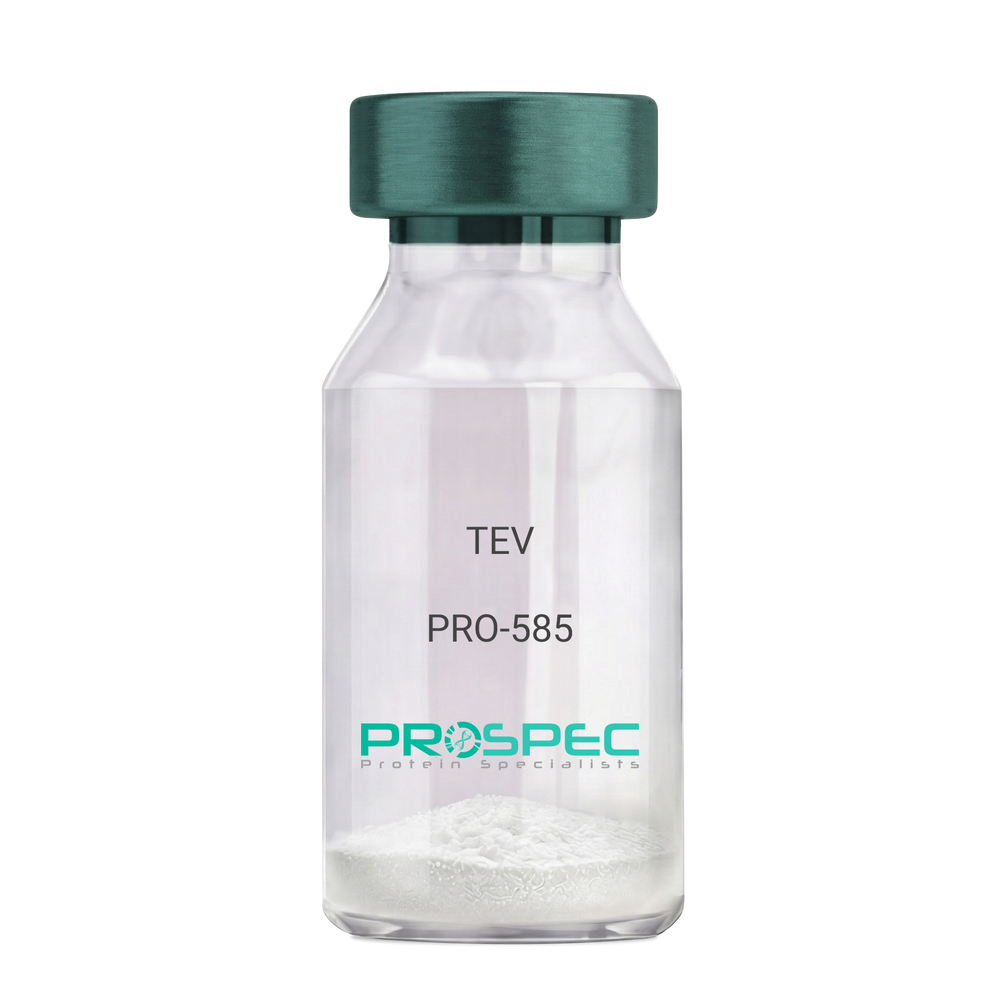
    TEV

    Description:

    Tobacco Etch Virus Protease Recombinant

    rTEV, TEV, P1 protease.

    Product # :

    PRO-585

    Price :

    Quantity :

    Shipping Method :

    Ice Icon

    Shipped with Ice Packs

    Add To Cart

    More Info

    • description
    • source
    • formulation
    • purity
    • More Info

    Description

    Recombinant TEV Protease (rTEV) is a site-specific protease purified from E. coli. The protease can be used for the removal of affinity tags from fusion proteins. The seven-amino-acid recognition site for rTEV is Glu-Asn-Leu-Tyr-Phe-Gln-Gly with cleavage occurring between Gln and Gly. The optimal temperature for cleavage is 30°C; however, the enzyme can be used at temperatures as low as 4°C. The rTEV contains His tag.The rTEV is purified by proprietary chromatographic techniques.

    Source

    Escherichia Coli.

    Formulation

    The rTEV contains 25mM Tris, Ph 8.0, 75mM NaCl, 5mM EDTA, 10mM GSH, 50% Glycerol.

    Purity

    Greater than 90.0% as determined by analysis by SDS-PAGE.

    More Info

    • Introduction

      TEV protease is the common name for the 27 kDa catalytic domain of the Nuclear Inclusion a (NIa) protein encoded by the tobacco etch virus (TEV). Because its sequence specificity is far more stringent than that of factor Xa, thrombin, or enterokinase, TEV protease is a very useful reagent for cleaving fusion proteins. TEV protease recognizes a linear epitope of the general form E-Xaa-Xaa-Y -Xaa-Q-(G/S), with cleavage occurring between Q and G or Q and S. The most commonly used sequence is ENLYFQG.

    • Synonyms

      rTEV, TEV, P1 protease.

    • Physical Appearance

      Sterile liquid formulation.

    • Stability

      rTEV although stable at 4°C for 1 week, should be stored below -18°C. Please prevent freeze thaw cycles.

    • Cleavage Conditions

      A number of variables can be changed to optimize the cleavage of any specific protein. The amount of rTEV, the temperature of the incubation, and the time needed for cleavage may be examined. If the protein of interest is heat-labile, then 4°C incubations are recommended. Reactions at 4°C will require longer incubation times and/or more rTEV.

    • Unit Definition

      One unit is defined as the amount of enzyme needed to cleave 3 ug of fusion protein in 1 hour to 85 % completion at 30°C in a buffer containing 50 mM Tris-HCl, pH 8.0, 0.5 mM EDTA, and 1 mM DTT.

    ProSpec's products are furnished for LABORATORY RESEARCH USE ONLY. The product may not be used as drugs, agricultural or pesticidal products, food additives or household chemicals.

    Tev Protease
  • View Data Sheet

    Name :

    GHK-Cu

    Description:

    GHK-Cu

    Copper Tripeptide-1

    Product # :

    HOR-063

    Price :

    Quantity :

    Shipping Method :

    Room Temp Icon

    Shipped at Room temp

    Add To Cart

    More Info

    • description
    • formulation
    • purity
    • More Info

    Description

    GHK-Cu is a synthetic single, non-glycosylated polypeptide chain containing 3 amino acids, having a molecular mass of 401.91 Dalton and a Molecular formula of C14H22N6O4Cu.

    Formulation

    The protein was lyophilized with no additives.

    Purity

    Greater than 97.0% as determined by analysis by RP-HPLC.

    More Info

    • Physical Appearance

      Sterile Filtered White lyophilized (freeze-dried) powder.

    • Stability

      Lyophilized GHK-Cu although stable at room temperature for 3 weeks, should be stored desiccated below -18°C. Upon reconstitution GHK-Cu should be stored at 4°C between 2-7 days and for future use below -18°C.
      For long term storage it is recommended to add a carrier protein (0.1% HSA or BSA).
      Please prevent freeze-thaw cycles.


    • Solubility

      It is recommended to reconstitute the lyophilized GHK-Cu in sterile 18MΩ-cm H2O not less than 100 µg/ml, which can then be further diluted to other aqueous solutions.

    • Amino Acid Sequence

      Gly-His-Lys.

    • Background

      GHK-Cu is located in human plasma and has an ability to modify gene expression to a healthier state, influencing more than 4,000 human genes. GHK-Cu can change pathological gene expression to a healthy mode, mainly in chronic conditions as metastatic cancer, COPD and Ulcerative Colitis. GHK-Cu was discovered to be effective in systemic repair and neuroprotection.

    ProSpec's products are furnished for LABORATORY RESEARCH USE ONLY. The product may not be used as drugs, agricultural or pesticidal products, food additives or household chemicals.

    GHK-Cu
  • View Data Sheet

    Name :

    TACI Human, His

    Description:

    Tumor Necrosis Factor Receptor 13B Human Recombinant, His Tag

    CD267, CVID, CVID2, TACI, TNFRSF14B, Tumor necrosis factor receptor superfamily, member 13B, Tumor necrosis factor receptor superfamily, member 13B, isoform CRA_a, TNFRSF13B.

    Product # :

    CYT-032

    Price :

    Quantity :

    Shipping Method :

    Ice Icon

    Shipped with Ice Packs

    Add To Cart

    More Info

    • description
    • source
    • formulation
    • purity
    • More Info

    Description

    TACI Human Recombinant fused with a 23 amino acid His tag at N-terminus produced in E.Coli is a single, non-glycosylated, polypeptide chain containing 188 amino acids (1- 165a.a.) and having a molecular mass of 20.9kDa. The TACI is purified by proprietary chromatographic techniques.

    Source

    E.coli.

    Formulation

    The TACI solution (1mg/1ml) contains 20mM Tris-HCl buffer (pH8.0), 10% glycerol and 0.4M Urea.

    Purity

    Greater than 90% as determined by SDS-PAGE.

    More Info

    • Introduction

      TNFRSF13B (TACI) is a transmembrane receptor protein found predominantly on the surface of B cells (a significant part of the immune system). TACI was at first discovered owing to its ability to interact with calcium-modulator and cyclophilin ligand (CAML). Later on, it was found that TACI plays a key role in humoral immunity by interacting with two members of the TNF family. Also, TACI controls T cell-independent B cell antibody responses, isotype switching, and B cell homeostasis.

    • Synonyms

      CD267, CVID, CVID2, TACI, TNFRSF14B, Tumor necrosis factor receptor superfamily, member 13B, Tumor necrosis factor receptor superfamily, member 13B, isoform CRA_a, TNFRSF13B.

    • Physical Appearance

      Sterile Filtered colorless solution.

    • Stability

      Store at 4°C if entire vial will be used within 2-4 weeks. Store, frozen at -20°C for longer periods of time. For long term storage it is recommended to add a carrier protein (0.1% HSA or BSA).Avoid multiple freeze-thaw cycles.

    • Amino Acid Sequence

      MGSSHHHHHH SSGLVPRGSH MGSMSGLGRS RRGGRSRVDQ EERFPQGLWT GVAMRSCPEE QYWDPLLGTC MSCKTICNHQ SQRTCAAFCR SLSCRKEQGK FYDHLLRDCI SCASICGQHP KQCAYFCENK LRSPVNLPPE LRRQRSGEVE NNSDNSGRYQ GLEHRGSEAS PALPGLKLSA DQVALVYS.

    ProSpec's products are furnished for LABORATORY RESEARCH USE ONLY. The product may not be used as drugs, agricultural or pesticidal products, food additives or household chemicals.

    Taci Human
  • View Data Sheet

    Name :

    C3c Human

    Description:

    Complement Component C3c Human

    Complement C3c, Complement Component C3c, C3c.

    Product # :

    PRO-555

    Price :

    Quantity :

    Shipping Method :

    Room Temp Icon

    Shipped at Room temp

    Add To Cart

    More Info

    • description
    • source
    • formulation
    • purity
    • More Info

    Description

    Human C3c produced in Human Plasma having a molecular mass of 139 KDa. Complement C3c consists of three peptides: C3c Beta chain, C3c alpha chain fragment 1 and C3c alpha chain fragment 2 joined together by disulphide bonds.  

    Source

    Human Plasma.

    Formulation

    1mg/ml in 10mM Sodium phosphate and 145 mM NaCl, pH 7.2.

    Purity

    Greater than 90.0% as determined by SDS-PAGE.

    More Info

    • Introduction

      The C3c component is central in both complement activation pathways, with different specific proteolytic systems cleaving it to form C3 convertase. Cleavage of C3 releases C3a and the C3b fragment which is part of the alternative C3 convertase. C3 levels can be low because of decreased synthesis or due to consumption. High C3 levels are seen in highly acute or chronic inflammation, hepatic cholestasis and during the third trimester of pregnancy.
      Unwanted complement activation is a major cause of tissue damage in various pathological conditions and contributes to quite a few immune complex diseases.
      Compstatin is an effective inhibitor of the activation of complement component C3 and thus blocks a central and essential step in the complement cascade. The specific binding site on C3, the configuration in the bound form, and the exact mode of action of compstatin are unknown. The crystal structure of compstatin in complex with C3c reveals that the compstatin-binding site is formed by the macroglobulin (MG) domains 4 and 5. This binding site is part of the structurally stable MG-ring created by domains MG1–6 and is distant from any other known binding site on C3. Compstatin does not modify the conformation of C3c, while compstatin itself undergoes a large conformational alteration upon binding.

    • Synonyms

      Complement C3c, Complement Component C3c, C3c.

    • Physical Appearance

      Sterile Filtered White lyophilized (freeze-dried) powder.

    • Stability

      Human C3c is stable at 4°C if entire vial will be used within 2-4 weeks. Store, frozen below -20°C for longer periods of time.
      For long term storage it is recommended to add a carrier protein (0.1% HSA or BSA).
      Avoid multiple freeze-thaw cycles.

    • Human Virus Test

      Plasma from each donor has been tested and found negative for HIV-1 & 2 antibodies, Hepatatis B surface antigen, and Hepatatis C antibodies.

    ProSpec's products are furnished for LABORATORY RESEARCH USE ONLY. The product may not be used as drugs, agricultural or pesticidal products, food additives or household chemicals.

    Complement C3C Human
  • View Data Sheet

    Name :

    UQCRH Human

    Description:

    Ubiquinol-Cytochrome C Reductase Hinge Protein Human Recombinant

    Cytochrome c1 non-heme 11 kDa protein, Ubiquinol-cytochrome c reductase complex 11 kDa protein, UQCRH, Ubiquinol-Cytochrome C Reductase Hinge Protein, Complex III Subunit VIII, Complex III Subunit 6, Mitochondrial Hinge Protein, Ubiquinol-Cytochrome C Reductase, QCR6, UQCR8, Cytochrome B-C1 Complex Subunit 6 Mitochondrial, Ubiquinol-Cytochrome C Reductase Complex III Subunit VIII.

    Product # :

    PRO-1798

    Price :

    Quantity :

    Shipping Method :

    Ice Icon

    Shipped with Ice Packs

    Add To Cart

    More Info

    • description
    • source
    • formulation
    • purity
    • More Info

    Description

    UQCRH Human Recombinant produced in E.Coli is a single, non-glycosylated polypeptide chain containing 101 amino acids (14-91 a.a) and having a molecular mass of 11.6kDa.UQCRH is fused to a 23 amino acid His-tag at N-terminus & purified by proprietary chromatographic techniques.

    Source

    Escherichia Coli.

    Formulation

    UQCRH protein solution (0.5mg/ml) containing 20mM Tris-HCl buffer (pH 8.0), 0.15M NaCl, 20% glycerol and 1mM DTT.

    Purity

    Greater than 95.0% as determined by SDS-PAGE.

    More Info

    • Introduction

      Ubiquinol-Cytochrome C Reductase Hinge Protein (UQCRH) is a member of the UQCRH/QCR6 family. UQCRH is a component of the ubiquinol-cytochrome c reductase complex (complex III or cytochrome b-c1 complex), which is part of the mitochondrial respiratory chain. The UQCRH protein mediates formation of the complex between cytochromes c and c1.

    • Synonyms

      Cytochrome c1 non-heme 11 kDa protein, Ubiquinol-cytochrome c reductase complex 11 kDa protein, UQCRH, Ubiquinol-Cytochrome C Reductase Hinge Protein, Complex III Subunit VIII, Complex III Subunit 6, Mitochondrial Hinge Protein, Ubiquinol-Cytochrome C Reductase, QCR6, UQCR8, Cytochrome B-C1 Complex Subunit 6 Mitochondrial, Ubiquinol-Cytochrome C Reductase Complex III Subunit VIII.

    • Physical Appearance

      Sterile Filtered colorless solution.

    • Stability

      Store at 4°C if entire vial will be used within 2-4 weeks. Store, frozen at -20°C for longer periods of time. For long term storage it is recommended to add a carrier protein (0.1% HSA or BSA).Avoid multiple freeze-thaw cycles.

    • Amino Acid Sequence

      MGSSHHHHHH SSGLVPRGSH MGSGDPEEEE EEEEELVDPL TTVREQCEQL EKCVKARERL ELCDERVSSR SHTEEDCTEE LFDFLHARDH CVAHKLFNNL K.

    ProSpec's products are furnished for LABORATORY RESEARCH USE ONLY. The product may not be used as drugs, agricultural or pesticidal products, food additives or household chemicals.

    Uqcrh Human
  • View Data Sheet

    Name :

    TNNT1 Human

    Description:

    Slow Skeletal Troponin T Human Recombinant

    Troponin T, slow skeletal muscle, TnTs, Slow skeletal muscle troponin T (sTnT), TNNT1, TNT.

    Product # :

    PRO-2791

    Price :

    Quantity :

    Shipping Method :

    Room Temp Icon

    Shipped at Room temp

    Add To Cart

    More Info

    • description
    • source
    • formulation
    • purity
    • More Info

    Description

    TNNT1 Human produced in E.Coli is a single, non-glycosylated polypeptide chain containing 278 a.a and having a molecular mass of 32948 Dalton.

    Source

    Escherichia Coli.

    Formulation

    TNNT1 was lyophilized in 0.01M HCl, pH 2.0.

    Purity

    Greater than 95.0% as determined by SDS-PAGE.

    More Info

    • Synonyms

      Troponin T, slow skeletal muscle, TnTs, Slow skeletal muscle troponin T (sTnT), TNNT1, TNT.

    • Physical Appearance

      Sterile Filtered White lyophilized (freeze-dried) powder.

    • Stability

      Lyophilized Slow Skeletal Troponin T although stable at room temperature for 3 weeks, should be stored desiccated below -18°C. Upon reconstitution TNNT1 should be stored at 4°C between 2-7 days and for future use below -18°C. For long term storage it is recommended to add a carrier protein (0.1% HSA or BSA). Please prevent freeze-thaw cycles.

    • Solubility

      It is recommended to reconstitute the lyophilized TNNT1 in buffer containing 0.01M HCl, pH 2.0 not less than 100µg/ml, which can then be further diluted to other aqueous solutions.

    • Background

      The Troponin T1 Slow Skeletal Type (TNNT1) human recombinant protein has emerged as a focal point in biomedical research, offering a key to unraveling the complexities of muscle contraction and its implications in neuromuscular disorders. TNNT1 is a critical component of the troponin complex, which regulates striated muscle contraction by controlling the interaction between actin and myosin. The TNNT1 human recombinant, synthesized through advanced biotechnological techniques, provides a valuable tool to explore the intricate molecular characteristics and functional roles of this essential protein.

      Understanding the molecular characteristics of TNNT1 is fundamental to comprehending its role in muscle physiology and pathology. TNNT1, a slow skeletal muscle isoform, possesses unique structural features that enable its binding to tropomyosin, a key regulator of muscle contraction. The interactions between TNNT1, tropomyosin, and other troponin subunits are central to the fine-tuned regulation of muscle contraction.

      TNNT1 is primarily expressed in slow-twitch skeletal muscles, which are responsible for sustained, endurance-type activities. The functional significance of TNNT1 lies in its role in modulating muscle contraction kinetics, allowing for prolonged muscle activity without fatigue. Moreover, TNNT1 mutations have been associated with congenital myopathies and neuromuscular disorders, emphasizing its crucial role in muscle health.

      The TNNT1 human recombinant has promising implications for both research and potential therapeutic applications. Researchers can utilize this recombinant protein to investigate the structural and functional properties of TNNT1, shedding light on its interactions with other muscle proteins and its role in muscle diseases. Additionally, TNNT1-based therapies may hold the key to addressing neuromuscular disorders, providing hope for improved treatments and patient outcomes.

      This research aims to provide a comprehensive analysis of the TNNT1 human recombinant, focusing on its molecular characteristics, functional significance, and potential therapeutic implications. By delving into the intricate nature of TNNT1, we aim to contribute to a deeper understanding of muscle biology and pave the way for future research and therapeutic advancements in the realm of neuromuscular disorders.

    ProSpec's products are furnished for LABORATORY RESEARCH USE ONLY. The product may not be used as drugs, agricultural or pesticidal products, food additives or household chemicals.

    Tnnt1 Human
  • View Data Sheet

    Name :

    TECK Human

    Description:

    Thymus Expressed Chemokine Human Recombinant (CCL25)

    C-C motif chemokine 25, Small-inducible cytokine A25, Thymus-expressed chemokine, Chemokine TECK, CCL25, SCYA25, TECK, Ckb15, MGC150327.

    Product # :

    CHM-364

    Price :

    Quantity :

    Shipping Method :

    Room Temp Icon

    Shipped at Room temp

    Add To Cart

    More Info

    • description
    • source
    • formulation
    • purity
    • biological activity
    • More Info

    Description

    TECK Human Recombinant produced in E.Coli is a single, non-glycosylated, polypeptide chain containing 127 amino acids and having a molecular mass of 14.2kDa. The TECK is purified by proprietary chromatographic techniques.

    Source

    Escherichia Coli.

    Formulation

    Filtered (0.2µm) and lyophilized from a concentrated (1mg/ml) solution in 20mM PB, pH 7.4, 150mM NaCl.

    Purity

    Greater than 97.0% as determined by:
    (a) Analysis by RP-HPLC.
    (b) Analysis by SDS-PAGE.

    Biological Activity

    Determined by its ability to chemoattract human monocytes using a concentration range of 1-10ng/ml corresponding to a Specific Activity of 100,000-1,000,000IU/mg.

    More Info

    • Introduction

      CCL25 (Teck) is a novel CC chemokine, which is distantly related (about 20% amino acid sequence identity) to other CC chemokines. The mouse CCL25 cDNA has also been cloned and shown to encode a 144 a.a. protein, which exhibits 49% a.a. sequence identity to the human CCL25. Human and mouse CCL25 expression was shown to be greatly restricted to the thymus and small intestine. While dendritic cells are identified as the source of CCL25 production in the thymus, dendritic cells derived from bone marrow do not express CCL25. CCL25 signals through the CCR9 receptor. Teck is possibly involved in T-cell development.
      Recombinant human and mouse Teck were shown to be chemotactic for activated macrophages, dendritic cells and thymocytes. The recombinant protein demonstrates chemotactic activity on thymocytes, macrophages, THP-1 cells, and dendritic cells but is inactive on peripheral blood lymphocytes and neutrophils.

    • Synonyms

      C-C motif chemokine 25, Small-inducible cytokine A25, Thymus-expressed chemokine, Chemokine TECK, CCL25, SCYA25, TECK, Ckb15, MGC150327.

    • Physical Appearance

      Sterile Filtered White lyophilized (freeze-dried) powder.

    • Stability

      Lyophilized TECK although stable at room temperature for 3 weeks, should be stored desiccated below -18°C. Upon reconstitution TECK should be stored at 4°C between 2-7 days and for future use below -18°C.For long term storage it is recommended to add a carrier protein (0.1% HSA or BSA).Please prevent freeze-thaw cycles.

    • Solubility

      It is recommended to reconstitute the lyophilized TECK in sterile 18MΩ-cm H2O not less than 100µg/ml, which can then be further diluted to other aqueous solutions.

    • Amino Acid Sequence

      QGVFEDCCLA YHYPIGWAVL RRAWTYRIQE VSGSCNLPAA IFYLPKRHRK VCGNPKSREV QRAMKLLDAR NKVFAKLHHN MQTFQAGPHA VKKLSSGNSK LSSSKFSNPI SSSRKNVSLL ISANSGL.

    ProSpec's products are furnished for LABORATORY RESEARCH USE ONLY. The product may not be used as drugs, agricultural or pesticidal products, food additives or household chemicals.

    Teck Human
  • View Data Sheet

    Name :

    TAF10 Human

    Description:

    TAF10 RNA Polymerase II Human Recombinant

    TAF10 RNA Polymerase II TATA Box Binding Protein (TBP)-Associated Factor 30kDa, Transcription Initiation Factor TFIID 30 KDa Subunit, STAF28, TAF2A, TAF2H.

    Product # :

    ENZ-750

    Price :

    Quantity :

    Shipping Method :

    Ice Icon

    Shipped with Ice Packs

    Add To Cart

    More Info

    • description
    • source
    • formulation
    • purity
    • More Info

    Description

    TAF10 Human Recombinant produced in E.coli is a single, non-glycosylated polypeptide chain containing 158 amino acids (84-218) and having a molecular mass of 16.9kDa.TAF10 is fused to a 23 amino acid His-tag at N-terminus & purified by proprietary chromatographic techniques.

    Source

    Escherichia Coli.

    Formulation

    The TAF10 solution (0.25mg/ml) contains 20mM Tris-HCl buffer (pH8.0), 0.15M NaCl, 1mM DTT and 20% glycerol.

    Purity

    Greater than 85.0% as determined by SDS-PAGE.

    More Info

    • Introduction

      TAF10 is a small subunit of TFIID which is related to a subdivision of TFIID complexes. Studies with human and mammalian cells verified that this subunit is mandatory for transcriptional activation by the estrogen receptor, for progression through the cell cycle, and is essential for several cellular differentiation programs.

    • Synonyms

      TAF10 RNA Polymerase II TATA Box Binding Protein (TBP)-Associated Factor 30kDa, Transcription Initiation Factor TFIID 30 KDa Subunit, STAF28, TAF2A, TAF2H.

    • Physical Appearance

      Sterile Filtered clear solution.

    • Stability

      Store at 4°C if entire vial will be used within 2-4 weeks. Store, frozen at -20°C for longer periods of time. For long term storage it is recommended to add a carrier protein (0.1% HSA or BSA).Avoid multiple freeze-thaw cycles.

    • Amino Acid Sequence

      MGSSHHHHHH SSGLVPRGSH MGSGAAPPEG AISNGVYVLP SAANGDVKPV VSSTPLVDFL MQLEDYTPTI PDAVTGYYLN RAGFEASDPR IIRLISLAAQ KFISDIANDA LQHCKMKGTA SGSSRSKSKD RKYTLTMEDL TPALSEYGIN VKKPHYFT

    ProSpec's products are furnished for LABORATORY RESEARCH USE ONLY. The product may not be used as drugs, agricultural or pesticidal products, food additives or household chemicals.

    Taf10 Human
  • View Data Sheet

    Name :

    TARS Human, Sf9

    Description:

    Threonyl-tRNA Synthetase Human Recombinant, Sf9

    Threonyl-tRNA synthetase cytoplasmic, EC 6.1.1.3, Threonine-tRNA ligase, ThrRS, MGC9344, PL-7, TARS.

    Product # :

    ENZ-304

    Price :

    Quantity :

    Shipping Method :

    Ice Icon

    Shipped with Ice Packs

    Add To Cart

    More Info

    • description
    • source
    • formulation
    • purity
    • More Info

    Description

    PL-7 Human Recombinant produced in SF9 is a glycosylated, polypeptide chain having a molecular mass of 85kDa.PL-7 is expressed with a -6xHis tag and purified by proprietary chromatographic techniques.

    Source

    Sf9 insect cells.

    Formulation

    PL-7 is supplied in 20mM HEPES buffer pH-8, 200mM NaCl, and 20% glycerol.

    Purity

    Greater than 90% as determined by SDS-PAGE.

    More Info

    • Introduction

      Threonyl-tRNA Synthetase is a member of the aminoacyl-tRNA synthetase family, key enzymes of protein biosynthesis which charge tRNA molecules with the respective amino acids. This 83 kDa protein is an autoantigen recognized by PL-7 antibodies which occur in a subset of patients with polymyositis and dermatomyositis. Preliminary data suggest that PL-7 antibodies (similar to Jo-1 antibodies) indicate an increased risk for lung involvement, but this needs to be confirmed for a larger number of cases.

    • Synonyms

      Threonyl-tRNA synthetase cytoplasmic, EC 6.1.1.3, Threonine-tRNA ligase, ThrRS, MGC9344, PL-7, TARS.

    • Physical Appearance

      Sterile Filtered clear solution.

    • Stability

      Store at 4°C if entire vial will be used within 2-4 weeks. Store, frozen at -20°C for longer periods of time. Avoid multiple freeze-thaw cycles.

    • Immunological Functions

      1. Binds IgG-type human auto-antibodies.2. Standard ELISA test (checker-board analysis of positive/negative sera panels immuno-dot test).

    • coating concentration

      0.3-0.8 µg/ml (depending on the type of ELISA plate and coating buffer). Suitable for labeling of functional groups.

    ProSpec's products are furnished for LABORATORY RESEARCH USE ONLY. The product may not be used as drugs, agricultural or pesticidal products, food additives or household chemicals.

    Threonyl Trna Synthetase Human
  • View Data Sheet

    Name :

    TNFRSF17 Human

    Description:

    B-Cell Maturation Antigen Human Recombinant

    BCMA, CD269, Tumor Necrosis Factor Receptor Superfamily Member 17, BCM, TNFRSF17, B-cell maturation protein, CD269 antigen.

    Product # :

    CYT-598

    Price :

    Quantity :

    Shipping Method :

    Room Temp Icon

    Shipped at Room temp

    Add To Cart

    More Info

    • description
    • source
    • formulation
    • purity
    • More Info

    Description

    TNFRSF17 Human Recombinant produced in E.Coli is a single, non-glycosylated, polypeptide chain containing 50 amino acids and having a molecular mass of 5.3 kDa. The TNFRSF17 is purified by standard chromatographic techniques.

    Source

    Escherichia Coli.

    Formulation

    1mg of TNFRSF17 Human contain 20mM sodium phosphate buffer, pH-7.4, and 130mM NaCl.

    Purity

    Greater than 98.0% as determined by:
    (a) Analysis by RP-HPLC.
    (b) Analysis by SDS-PAGE.

    More Info

    • Introduction

      TNFRSF17 is a receptor for tnfsf13b/blys/baff and tnfsf13/april. TNFRSF17 promotes b-cell survival and plays a role in the regulation of humoral immunity. TNFRSF17 activates nf-kappa-b and jnk. TNFRSF17 is a member of the TNF-receptor superfamily. TNFRSF17 is expressed in mature B lymphocytes, and is invloved in B cell development and autoimmune response. TNFRSF17 specifically binds to the tumor TNFSF13B/TALL-1/BAFF, which causes NF-kappaB and MAPK8/JNK activation. TNFRSF17 binds to a variety of TRAF family members, and therefore transduces signals for cell survival and proliferation. TNFRSF17 is a type III membrane protein having 1 extracellular cysteine rich domain. Within the TNFRSF, it shares the highest homology with TACI. BCMA and TACI have both been shown to bind to APRIL and BAFF, members of the TNF ligand superfamily. BCMA expression has been found in immune organs. TNFRSF17 appears to be localized to the Golgi compartment. The binding of BCMA to APRIL or BAFF has been shown to stimulate IgM production in peripheral blood B cells and increase the survival of cultured B cells.

    • Synonyms

      BCMA, CD269, Tumor Necrosis Factor Receptor Superfamily Member 17, BCM, TNFRSF17, B-cell maturation protein, CD269 antigen.

    • Physical Appearance

      Sterile Filtered White lyophilized (freeze-dried) powder.

    • Stability

      Lyophilized TNFRSF17 although stable at room temperature for 3 weeks, should be stored desiccated below -18°C. Upon reconstitution TNFRSF17 should be stored at 4°C between 2-7 days and for future use below -18°C.For long term storage it is recommended to add a carrier protein (0.1% HSA or BSA).Please prevent freeze-thaw cycles.

    • Solubility

      It is recommended to reconstitute the lyophilized TNFRSF17 in sterile 18MΩ-cm H2O not less than 100µg/ml, which can then be further diluted to other aqueous solutions.

    • Amino Acid Sequence

      AGQCSQNEYF DSLLHACIPC QLRCSSNTPP LTCQRYCNAS VTNSVKGTNA.

    ProSpec's products are furnished for LABORATORY RESEARCH USE ONLY. The product may not be used as drugs, agricultural or pesticidal products, food additives or household chemicals.

    Tnfrsf17 Human
  • View Data Sheet

    Name :

    RELT Human

    Description:

    RELT Human Recombinant

    RELT, TNF Receptor, Receptor Expressed In Lymphoid Tissues, Tumor Necrosis Factor Receptor Superfamily Member 19L, RELT Tumor Necrosis Factor Receptor, TNFRSF19L, Tumor Necrosis Factor Receptor Superfamily, Member 19-Like, TRLT.

    Product # :

    CYT-1101

    Price :

    Quantity :

    Shipping Method :

    Ice Icon

    Shipped with Ice Packs

    Add To Cart

    More Info

    • description
    • source
    • formulation
    • purity
    • More Info

    Description

    RELT produced in Sf9 Baculovirus cells is a single, glycosylated polypeptide chain containing 376 amino acids (26-162a.a.) and having a molecular mass of 41.4kDa. (Molecular size on SDS-PAGE will appear at approximately 40-57kDa).RELT is expressed with a 239 amino acid hIgG-His-tag at C-Terminus and purified by proprietary chromatographic techniques.

    Source

    Sf9, Baculovirus cells.

    Formulation

    RELT protein solution (0.5mg/ml) contains 10% glycerol & Phosphate Buffered Saline (pH 7.4).

    Purity

    Greater than 90% as determined by SDS-PAGE.

    More Info

    • Introduction

      RELTis expressed in hematopoietic tissues and peripheral blood leukocytesand is a part of thetumor necrosis factor receptor superfamily. RELT mediates activation of NF-kappa-B and takes part in T-cell activation.overexpression of RELT in HEK-293 cells induces p38 and JNK signalling and leads to apoptosis. it can also costimulate T-cell proliferation in the presence of CD3 signalling.

    • Synonyms

      RELT, TNF Receptor, Receptor Expressed In Lymphoid Tissues, Tumor Necrosis Factor Receptor Superfamily Member 19L, RELT Tumor Necrosis Factor Receptor, TNFRSF19L, Tumor Necrosis Factor Receptor Superfamily, Member 19-Like, TRLT.

    • Physical Appearance

      Sterile filtered colorless solution.

    • Stability

      Store at 4°C if entire vial will be used within 2-4 weeks. Store, frozen at -20°C for longer periods of time. For long term storage it is recommended to add a carrier protein (0.1% HSA or BSA).Avoid multiple freeze-thaw cycles.

    • Amino Acid Sequence

      STTLWQCPPG EEPDLDPGQG TLCRPCPPGT FSAAWGSSPC QPHARCSLWR RLEAQVGMAT
      RDTLCGDCWP GWFGPWGVPR VPCQPCSWAPLGTHGCDEWG RRARRGVEVA AGASSGGETR QPGNGTRAGG PEETAAQVEP KSCDKTHTCP PCPAPELLGG PSVFLFPPKP KDTLMISRTP EVTCVVVDVS HEDPEVKFNW YVDGVEVHNA KTKPREEQYN STYRVVSVLT VLHQDWLNGK EYKCKVSNKA LPAPIEKTIS KAKGQPREPQ VYTLPPSRDE LTKNQVSLTC LVKGFYPSDI AVEWESNGQP ENNYKTTPPV LDSDGSFFLY SKLTVDKSRW QQGNVFSCSV MHEALHNHYT QKSLSLSPGK HHHHHH

    ProSpec's products are furnished for LABORATORY RESEARCH USE ONLY. The product may not be used as drugs, agricultural or pesticidal products, food additives or household chemicals.

    Relt Human
  • View Data Sheet

    Name :

    TBEV gE C-end

    Description:

    Tick-Borne Encephalitis Virus gE C-end Recombinant

    Product # :

    TBE-284

    Price :

    Quantity :

    Shipping Method :

    Ice Icon

    Shipped with Ice Packs

    Add To Cart

    More Info

    • description
    • source
    • formulation
    • purity
    • More Info

    Description

    The E.coli derived recombinant protein contains the Tick-borne Encephalitis Virus C-end regions of glycoprotein E, 296-414 amino acids.

    Source

    Escherichia Coli.

    Formulation

    20mM MES pH 6.5, 8M urea, 200mM NaCl and 0.05% Tween-20.

    Purity

    Encephalitis protein is >95% pure as determined by 10% PAGE (coomassie staining).

    More Info

    • Introduction

      TBE is caused by tick-borne encephalitis virus (TBEV), a member of the family Flaviviridae.
      A closely related virus in Far Eastern Eurasia, Russian spring-summer encephalitis virus (RSSEV).
      The family Flaviviridae includes other tick-borne viruses are closely related to TBEV and RSSEV, such as Omsk hemorrhagic fever virus & Kyasanur Forest virus.
      Louping ill virus is also a member of this family.

    • Stability

      Encephalitis protein although stable at 4°C for 1 week, should be stored below -18°C. Please prevent freeze thaw cycles.

    • Applications

      Encephalitis antigen is suitable for ELISA and Western blots, excellent antigen for detection of Tick-borne encephalitis virus with minimal specificity problems.

    • Specificity

      Immunoreactive with sera of encephalitis virus infected individuals.

    • Purification Method

      Encephalitis protein was purified by proprietary chromatographic technique.

    ProSpec's products are furnished for LABORATORY RESEARCH USE ONLY. The product may not be used as drugs, agricultural or pesticidal products, food additives or household chemicals.

    Tbev Ge C End
  • View Data Sheet

    Name :

    TRAPPC2L Human

    Description:

    Trafficking Protein Particle Complex 2-Like Human Recombinant

    Trafficking protein particle complex subunit 2-like protein, TRAPPC2L.

    Product # :

    PRO-1543

    Price :

    Quantity :

    Shipping Method :

    Ice Icon

    Shipped with Ice Packs

    Add To Cart

    More Info

    • description
    • source
    • formulation
    • purity
    • More Info

    Description

    TRAPPC2L Human Recombinant produced in E. coli is a single polypeptide chain containing 162 amino acids (1-139) and having a molecular mass of 18.4kDa. TRAPPC2L is fused to a 23 amino acid His-tag at N-terminus & purified by proprietary chromatographic techniques.

    Source

    Escherichia Coli.

    Formulation

    The TRAPPC2L solution (0.5mg/ml) contains 20mM Tris-HCl buffer (pH 8.0), 0.2M NaCl, 50% glycerol and 2mM DTT.

    Purity

    Greater than 90% as determined by SDS-PAGE.

    More Info

    • Introduction

      Trafficking Protein Particle Complex 2-Like (TRAPPC2L) takes part in vesicular transport from endoplasmic reticulum to Golgi. TRAPPC2L is a part of the TRAPP small subunits family and is expressed in various organs like testis, liver, bladder, lung, spleen and brain.

    • Synonyms

      Trafficking protein particle complex subunit 2-like protein, TRAPPC2L.

    • Physical Appearance

      Sterile Filtered clear solution.

    • Stability

      Store at 4°C if entire vial will be used within 2-4 weeks. Store frozen at -20°C for longer periods of time. For long term storage it is recommended to add a carrier protein (0.1% HSA or BSA).Avoid multiple freeze-thaw cycles.

    • Amino Acid Sequence

      MGSSHHHHHH SSGLVPRGSH MGSMAVCIAV IAKENYPLYI RSTPTENELK FHYMVHTSLD VVDEKISAMG KALVDQRELY LGLLYPTEDY KVYGYVTNSK VKFVMVVDSS NTALRDNEIR SMFRKLHNSY TDVMCNPFYN PGDRIQSRAF DNMVTSMMIQ VC.

    ProSpec's products are furnished for LABORATORY RESEARCH USE ONLY. The product may not be used as drugs, agricultural or pesticidal products, food additives or household chemicals.

    Trappc2L Human
  • View Data Sheet

    Name :

    TSSK6 Human

    Description:

    Testis Specific Serine Kinase 6 Human Recombinant

    TSSK6, Testis-Specific Serine Kinase 6, Cancer/Testis Antigen 72, SSTK, Small Serine/Threonine Kinase, CT72, TSK-6, TSSK4, Serine/Threonine Protein Kinase SSTK, Testis-Specific Serine/Threonine-Protein Kinase 6, EC 2.7.11.1, TSSK-6, Serine/Threonine-Protein Kinase SSTK, Testis-Specific Kinase 6.

    Product # :

    PKA-220

    Price :

    Quantity :

    Shipping Method :

    Ice Icon

    Shipped with Ice Packs

    Add To Cart

    More Info

    • description
    • source
    • formulation
    • purity
    • More Info

    Description

    TSSK6 Human Recombinant produced in E.coli is a single, non-glycosylated polypeptide chain containing 296 amino acids (1-273) and having a molecular mass of 32.7kDa.TSSK6 is fused to a 23 amino acid His-tag at N-terminus & purified by proprietary chromatographic techniques.

    Source

    Escherichia Coli.

    Formulation

    The TSSK6 solution (1mg/ml) contains 20mM Tris-HCl buffer (pH8.0), 10% glycerol and 0.4M Urea.

    Purity

    Greater than 80.0% as determined by SDS-PAGE.

    More Info

    • Introduction

      Testis-specific serine/threonine-protein kinase 6 (TSSK6) is an intronless gene, which belongs to the CAMK Ser/Thr protein kinase family. The TSSK6 protein contains one protein kinase domain. TSSK6 is highly expressed in the testis and lowly expressed in the colon, prostate, thymus, small intestine, and peripheral blood leukocytes. TSSK6 interacts with the heatshock proteins HSPA8, HSPCB, and HAPA1A; these interactions seem to be essential for TSSK6 kinase activity. TSSK6 plays a role in DNA condensation during postmeiotic chromatin remodeling. In addition, TSSK6 is required for sperm production and function.

    • Synonyms

      TSSK6, Testis-Specific Serine Kinase 6, Cancer/Testis Antigen 72, SSTK, Small Serine/Threonine Kinase, CT72, TSK-6, TSSK4, Serine/Threonine Protein Kinase SSTK, Testis-Specific Serine/Threonine-Protein Kinase 6, EC 2.7.11.1, TSSK-6, Serine/Threonine-Protein Kinase SSTK, Testis-Specific Kinase 6.

    • Physical Appearance

      Sterile Filtered colorless solution.

    • Stability

      Store at 4°C if entire vial will be used within 2-4 weeks. Store, frozen at -20°C for longer periods of time. For long term storage it is recommended to add a carrier protein (0.1% HSA or BSA).Avoid multiple freeze-thaw cycles.

    • Amino Acid Sequence

      MGSSHHHHHH SSGLVPRGSH MGSMSGDKLL SELGYKLGRT IGEGSYSKVK VATSKKYKGT VAIKVVDRRR APPDFVNKFL PRELSILRGV RHPHIVHVFE FIEVCNGKLY IVMEAAATDL LQAVQRNGRI PGVQARDLFA QIAGAVRYLH DHHLVHRDLK CENVLLSPDE RRVKLTDFGF GRQAHGYPDL STTYCGSAAY ASPEVLLGIP YDPKKYDVWS MGVVLYVMVT GCMPFDDSDI AGLPRRQKRG VLYPEGLELS ERCKALIAEL LQFSPSARPS AGQVARNCWL RAGDSG.

    ProSpec's products are furnished for LABORATORY RESEARCH USE ONLY. The product may not be used as drugs, agricultural or pesticidal products, food additives or household chemicals.

    Tssk6 Human
  • View Data Sheet

    Name :

    TNF a Rabbit

    Description:

    Tumor Necrosis Factor-Alpha Rabbit Recombinant

    Tumor necrosis factor, Cachectin, TNF-alpha, Tumor necrosis factor ligand superfamily member 2, TNF-a, TNF, TNFA, TNFSF2. 

    Product # :

    CYT-008

    Price :

    Quantity :

    Shipping Method :

    Room Temp Icon

    Shipped at Room temp

    Add To Cart

    More Info

    • description
    • source
    • formulation
    • purity
    • biological activity
    • More Info

    Description

    Tumor Necrosis Factor-a Rabbit Recombinant consists of three identical polypeptide chains of 158 amino acids combined to form a compact, bell-shaped homotrimer. TNF-alpha was produced in E.Coli is a non-glycosylated, polypeptide chain having a molecular mass of 17.4 kDa for the individual subunit. The TNF-alpha is purified by standard chromatographic techniques.

    Source

    Escherichia Coli.

    Formulation

    TNF-alpha Rabbit was lyophilized after extensive dialysis against 20mM PB, pH7.4, 300mM NaCl.

    Purity

    Greater than 95% as determined by:
    (a) Analysis by RP-HPLC.
    (b) Analysis by SDS-PAGE.

    Biological Activity

    The ED50 as determined by the cytolysis of murine L929 cells in the presence of Actinomycin D is less than 0.03ng/ml, corresponding to a Specific Activity of 30,000,000 IU/mg.

    More Info

    • Introduction

      Tumor necrosis factor is a cytokine involved in systemic inflammation and is a member of a group of cytokines that all stimulate the acute phase reaction. TNF is mainly secreted by macrophages.
      TNF causes apoptotic cell death, cellular proliferation, differentiation, inflammation, tumorigenesis and viral replication, TNF is also involved in lipid metabolism, and coagulation. TNF's primary role is in the regulation of immune cells.
      Dysregulation and, in particular, overproduction of TNF have been implicated in a variety of human diseases- autoimmune diseases, insulin resistance, and cancer.

    • Synonyms

      Tumor necrosis factor, Cachectin, TNF-alpha, Tumor necrosis factor ligand superfamily member 2, TNF-a, TNF, TNFA, TNFSF2.

    • Physical Appearance

      Sterile Filtered White lyophilized (freeze-dried) powder.

    • Stability

      Lyophilized Tumor Necrosis Factor-a although stable at room temperature for 3 weeks, should be stored desiccated below -18°C. Upon reconstitution TNF-a should be stored at 4°C between 2-7 days and for future use below -18°C.For long term storage it is recommended to add a carrier protein (0.1% HSA or BSA).Please prevent freeze-thaw cycles.

    • Solubility

      It is recommended to reconstitute the lyophilized Tumor Necrosis Factor-alpha in sterile 18MΩ-cm H2O not less than 100µg/ml, which can then be further diluted to other aqueous solutions.

    • Amino Acid Sequence

      The sequence of the first five N-terminal amino acids was determined and was found to be Met-Ser-Ala-Ser-Arg.

    ProSpec's products are furnished for LABORATORY RESEARCH USE ONLY. The product may not be used as drugs, agricultural or pesticidal products, food additives or household chemicals.

    Tnf A Rabbit
  • View Data Sheet

    Name :

    TNF a Rat

    Description:

    Tumor Necrosis Factor-Alpha Rat Recombinant

    TNF-alpha, Tumor necrosis factor ligand superfamily member 2, TNF-a, Cachectin, DIF, TNFA, TNFSF2.

    Product # :

    CYT-393

    Price :

    Quantity :

    Shipping Method :

    Room Temp Icon

    Shipped at Room temp

    Add To Cart

    More Info

    • description
    • source
    • formulation
    • purity
    • biological activity
    • More Info

    Description

    Tumor Necrosis Factor-a Rat Recombinant produced in E.Coli is a single, non-glycosylated, polypeptide chain containing 157 amino acids and having a molecular mass of 17339.44 Dalton. The TNF-alpha is purified by standard chromatographic techniques.

    Source

    Escherichia Coli.

    Formulation

    The concentrated protein solution (1mg/ml) was lyophilized from 20mM phosphate buffer and 0.1M NaCl.

    Purity

    Greater than 95.0% as determined by:
    (a) Analysis by RP-HPLC.
    (b) Analysis by SDS-PAGE.

    Biological Activity

    The ED50 as determined by the cytolysis of murine L929 cells in the presence of Actinomycin D is < 0.05ng/ml, corresponding to a Specific Activity of 20,000,000 IU/mg.

    More Info

    • Introduction

      Tumor necrosis factor is a cytokine involved in systemic inflammation and is a member of a group of cytokines that all stimulate the acute phase reaction. TNF is mainly secreted by macrophages.
      TNF causes apoptotic cell death, cellular proliferation, differentiation, inflammation, tumorigenesis and viral replication, TNF is also involved in lipid metabolism, and coagulation. TNF's primary role is in the regulation of immune cells.
      Dysregulation and, in particular, overproduction of TNF have been implicated in a variety of human diseases- autoimmune diseases, and cancer.

    • Synonyms

      TNF-alpha, Tumor necrosis factor ligand superfamily member 2, TNF-a, Cachectin, DIF, TNFA, TNFSF2.

    • Physical Appearance

      Sterile Filtered White lyophilized (freeze-dried) powder.

    • Stability

      Lyophilized Tumor Necrosis Factor-a although stable at room temperature for 3 weeks, should be stored desiccated below -18°C. Upon reconstitution TNF-a should be stored at 4°C between 2-7 days and for future use below -18°C.For long term storage it is recommended to add a carrier protein (0.1% HSA or BSA).Please prevent freeze-thaw cycles.

    • Solubility

      It is recommended to reconstitute the lyophilized Tumor Necrosis Factor-alpha in sterile 18M-cm H2O not less than 100µg/ml, which can then be further diluted to other aqueous solutions.

    • Amino Acid Sequence

      MLRSSSQNSS DKPVVHVVAN HQAEEQLEWL SQRANALLAN GMDLKDNQLV VPADGLYLIY SQVLFKGQGC PDYVLLTHTV SRFATSYQEK VSLLSAIKSP CPKDTPEGAE LKPWYEPMYL GGVSQLEKGD LLSAEVNLPK YLDITESGQV YFGVIAL.

    ProSpec's products are furnished for LABORATORY RESEARCH USE ONLY. The product may not be used as drugs, agricultural or pesticidal products, food additives or household chemicals.

    Tnf Alpha Rat
  • View Data Sheet

    Name :

    TPO Mouse

    Description:

    Thrombopoietin Mouse Recombinant

    Megakaryocyte colony-stimulating factor, Myeloproliferative leukemia virus oncogene ligand, C-mpl ligand, ML, Megakaryocyte growth and development factor, MGDF, TPO, MKCSF, MPLLG, MGC163194, THPO.

    Product # :

    CYT-346

    Price :

    Quantity :

    Shipping Method :

    Room Temp Icon

    Shipped at Room temp

    Add To Cart

    More Info

    • description
    • source
    • formulation
    • purity
    • biological activity
    • More Info

    Description

    Thrombopoietin Mouse Recombinant produced in E.Coli is a single, non-glycosylated soluble polypeptide chain containing 174 amino acids and having a molecular mass of 18704 Dalton. The TPO is purified by proprietary chromatographic techniques.

    Source

    Escherichia Coli.

    Formulation

    Lyophilized from a concentrated (1mg/ml) solution in water containing no additives.

    Purity

    Greater than 95.0% as determined by SDS-PAGE.

    Biological Activity

    ED50 range is less than 0.8ng/ml as determined by the dose dependent stimulation of Mo7e cells.

    More Info

    • Introduction

      Thrombopoietin is a glycoprotein hormone produced mainly by the liver and the kidneyt hat regulates the production of platelets by the bone marrow. It stimulates the production and differentiation of megakaryocytes, the bone marrow cells that fragment into large numbers of platelets.

    • Synonyms

      Megakaryocyte colony-stimulating factor, Myeloproliferative leukemia virus oncogene ligand, C-mpl ligand, ML, Megakaryocyte growth and development factor, MGDF, TPO, MKCSF, MPLLG, MGC163194, THPO.

    • Physical Appearance

      Sterile Filtered White lyophilized (freeze-dried) powder.

    • Stability

      Lyophilized Thrombopoietin although stable at room temperature for 3 weeks, should be stored desiccated below -18°C. Upon reconstitution TPO Mouse should be stored at 4°C between 2-7 days and for future use below -18°C.For long term storage it is recommended to add a carrier protein (0.1% HSA or BSA).Please prevent freeze-thaw cycles.

    • Solubility

      It is recommended to reconstitute the lyophilized Thrombopoietin in sterile 18MΩ-cm H2O not less than 100µg/ml, which can then be further diluted to other aqueous solutions.

    • Amino Acid Sequence

      SPVAPACDPR LLNKLLRDSH LLHSRLSQCP DVDPLSIPVL LPAVDFSLGE WKTQTEQSKA QDILGAVSLL LEGVMAARGQ LEPSCLSSLL GQLSGQVRLL LGALQGLLGT QLPLQGRTTA HKDPNALFLS LQQLLRGKVR FLLLVEGPTL CVRRTLPTTA VPSSTSQLLT LNKF.

    ProSpec's products are furnished for LABORATORY RESEARCH USE ONLY. The product may not be used as drugs, agricultural or pesticidal products, food additives or household chemicals.

    Mouse Thrombopoietin
  • View Data Sheet

    Name :

    KCTD5 Human

    Description:

    Potassium Channel Tetramerisation Domain Containing 5 Human Recombinant

    BTB/POZ domain-containing protein KCTD5, KCTD5.

    Product # :

    PRO-1276

    Price :

    Quantity :

    Shipping Method :

    Ice Icon

    Shipped with Ice Packs

    Add To Cart

    More Info

    • description
    • source
    • formulation
    • purity
    • More Info

    Description

    KCTD5 Human Recombinant produced in E. coli is a single polypeptide chain containing 257 amino acids (1-234) and having a molecular mass of 28.5 kDa. KCTD5 is fused to a 23 amino acid His-tag at N-terminus & purified by proprietary chromatographic techniques.

    Source

    E.coli.

    Formulation

    The KCTD5 solution (0.25mg/ml) contains 20mM Tris-HCl buffer (pH 8.0), 0.2M NaCl, 40% glycerol and 1mM DTT.

    Purity

    Greater than 90% as determined by SDS-PAGE.

    More Info

    • Introduction

      BTB/POZ domain-containing protein KCTD5 (KCTD5), is a 234 amino acid protein which localizes mainly in the cytoplasm however translocates to the nucleus on interaction with REP proteins. The expression of KCTD5 is up regulated post-transcriptionally in peripheral blood lymphocytes stimulated via the T-cell receptor. KCTD5 interacts particularly with cullin3, attaches ubiquitinated proteins, and created oligomers through its BTB domain.

    • Synonyms

      BTB/POZ domain-containing protein KCTD5, KCTD5.

    • Physical Appearance

      Sterile Filtered colorless solution.

    • Stability

      Store at 4°C if entire vial will be used within 2-4 weeks. Store, frozen at -20°C for longer periods of time. For long term storage it is recommended to add a carrier protein (0.1% HSA or BSA).Avoid multiple freeze-thaw cycles.

    • Amino Acid Sequence

      MGSSHHHHHH SSGLVPRGSH MGSMAENHCE LLSPARGGIG AGLGGGLCRR CSAGLGALAQ RPGSVSKWVR LNVGGTYFLT TRQTLCRDPK SFLYRLCQAD PDLDSDKDET GAYLIDRDPT YFGPVLNYLR HGKLVINKDL AEEGVLEEAE FYNITSLIKL VKDKIRERDS KTSQVPVKHV YRVLQCQEEE LTQMVSTMSD GWKFEQLVSI GSSYNYGNED QAEFLCVVSK ELHNTPYGTA SEPSEKAKIL QERGSRM

    ProSpec's products are furnished for LABORATORY RESEARCH USE ONLY. The product may not be used as drugs, agricultural or pesticidal products, food additives or household chemicals.

    Kctd5 Human
  • View Data Sheet

    Name :

    T.gondii MIC-3

    Description:

    Toxoplasma Gondii MIC 3 Recombinant

    Product # :

    TOX-261

    Price :

    Quantity :

    Shipping Method :

    Ice Icon

    Shipped with Ice Packs

    Add To Cart

    More Info

    • description
    • source
    • formulation
    • purity
    • More Info

    Description

    The E.Coli derived recombinant protein contains the MIC3 immunodominant regions, amino acids 234-306. MIC3 protein is fused to a 26Kda Glutathione transferase tag.

    Source

    Escherichia Coli.

    Formulation

    50mM Tris-HCl pH 8.0, 1mM EDTA and 8M urea.

    Purity

    Toxoplasma protein is >95% pure as determined by 10% PAGE (coomassie staining).

    More Info

    • Introduction

      The life cycle of Toxoplasma gondii has two phases. The coccidia like takes place only in members of the Felidae family which makes these animals the parasite's primary host. The asexual part of the life cycle can take place in any warm-blooded animal, like other mammals(including felines) and birds. T. gondii constructing daughter scaffolds within the mother cell. In the intermediate hosts (including felines), the parasite invades cells, forming intracellular so-called parasitophorous vacuoles containing bradyzoites, the slowly replicating form of the parasit. Vacuoles form tissue cysts mainly within the muscles and brain. Since they are within cells, the host's immune system does not detect these cysts. Resistance to antibiotics varies, but the cysts are very difficult to eradicate entirely. Within these vacuoles T. gondii propagates by a series of binary fissions until the infected cell eventually bursts and tachyzoites are released. Tachyzoites are the motile, asexually reproducing form of the parasite. Unlike the bradyzoites, the free tachyzoites are usually efficiently cleared by the host's immune response, although some manage to infect cells and form bradyzoites, thus maintaining the infection.

    • Stability

      Toxoplasma protein although stable at 4°C for 1 week, should be stored below -18°C. Please prevent freeze thaw cycles.

    • Applications

      Toxoplasma antigen is suitable in ELISA and Western blots, excellent antigen for detection of Toxoplasma gondii- with minimal specificity problems.

    • Specificity

      Immunoreactive with sera of Toxoplasma gondii-infected individuals.

    • Purification Method

      Toxoplasama protein was purified by GS-4B Sepharose-Affinity Purification.

    ProSpec's products are furnished for LABORATORY RESEARCH USE ONLY. The product may not be used as drugs, agricultural or pesticidal products, food additives or household chemicals.

    Tgondii Mic 3
  • 1
  • …
  • 8
  • 9
  • 10
  • 11
  • 12
  • …
  • 42
Your browser does not support the video tag.

Products

  • Cytokines
  • Growth Factors
  • Chemokines
  • CD Antigens
  • Neurotrophins
  • Hormones
  • Enzymes
  • Viral Antigens
  • Recombinant Proteins
  • Natural Proteins
  • Monoclonal Antibodies
  • Polyclonal Antibodies
  • Thermal Packaging

About

  • Company
  • Founder
  • Contribution
  • Contact Us
  • My Account

Ordering

  • Ordering Method
  • Ordering - Credit Card
  • Ordering PO
  • Shipping Fees
  • FAQ's

Legal

  • Terms & Conditions
  • Privacy
  • Site Map
  • info@prospecbio.com
  • Facebook
  • Instagram
  • Linkedin Profile

© 2026 ProSpec-Tany TechnoGene Ltd. All Rights Reserved.

  • Choosing a selection results in a full page refresh.
  • Opens in a new window.