Skip to content

High-quality research proteins.

  • 1-800-805-6531

  • Mon - Sat 8.00-18.00, Sun - Closed

  • info@prospecbio.com

  • PO Box 6591 East Brunswick NJ 08816

  • Products
    • Cytokines
    • Growth factors
    • Chemokines
    • Cd antigens
    • Neurotrophins
    • Hormones
    • Enzymes
    • Viral antigens
    • Recombinant proteins
    • Natural proteins
    • Monoclonal antibodies
    • Polyclonal antibodies
    • Thermal Packaging
  • About
    • Company
    • Founder
    • Contribution
  • Customers
    • Eastern Asia
    • Eastern Europe
    • North America
    • South America
    • South East Asia
    • Southern Asia
    • Western Europe
  • Ordering
    • Ordering Method
    • Ordering - Credit Card
    • Ordering - PO
    • Shipping Fees
    • FAQs
  • Services
    • DNA Cloning
    • Protein Expression
    • Monoclonal Antibody
    • Fermentation
    • Technology License
  • Contact us
Log in

Country/region

  • USD $ | Albania
  • USD $ | Andorra
  • USD $ | Argentina
  • USD $ | Armenia
  • USD $ | Australia
  • USD $ | Austria
  • USD $ | Azerbaijan
  • USD $ | Belarus
  • USD $ | Belgium
  • USD $ | Bolivia
  • USD $ | Brazil
  • USD $ | Bulgaria
  • USD $ | Cambodia
  • USD $ | Canada
  • USD $ | Chile
  • USD $ | China
  • USD $ | Colombia
  • USD $ | Costa Rica
  • USD $ | Croatia
  • USD $ | Cyprus
  • USD $ | Czechia
  • USD $ | Denmark
  • USD $ | Estonia
  • USD $ | Finland
  • USD $ | France
  • USD $ | Georgia
  • USD $ | Germany
  • USD $ | Greece
  • USD $ | Hong Kong SAR
  • USD $ | Hungary
  • USD $ | Iceland
  • USD $ | India
  • USD $ | Ireland
  • USD $ | Israel
  • USD $ | Italy
  • USD $ | Japan
  • USD $ | Kazakhstan
  • USD $ | Latvia
  • USD $ | Liechtenstein
  • USD $ | Lithuania
  • USD $ | Madagascar
  • USD $ | Malta
  • USD $ | Mexico
  • USD $ | Moldova
  • USD $ | Monaco
  • USD $ | Netherlands
  • USD $ | New Zealand
  • USD $ | North Macedonia
  • USD $ | Norway
  • USD $ | Panama
  • USD $ | Paraguay
  • USD $ | Peru
  • USD $ | Philippines
  • USD $ | Poland
  • USD $ | Portugal
  • USD $ | Romania
  • USD $ | Singapore
  • USD $ | Slovakia
  • USD $ | Slovenia
  • USD $ | South Africa
  • USD $ | South Korea
  • USD $ | Spain
  • USD $ | Sri Lanka
  • USD $ | Sweden
  • USD $ | Switzerland
  • USD $ | Taiwan
  • USD $ | Thailand
  • USD $ | Türkiye
  • USD $ | Ukraine
  • USD $ | United Kingdom
  • USD $ | United States
  • USD $ | Uruguay
  • USD $ | Vatican City
  • USD $ | Venezuela
  • USD $ | Vietnam
  • Facebook
  • Instagram
logoProSpec - Recombinant Protein Manufacturer for academic and R&D industry
Become a distributor
Account Log in
Wishlist
Cart Cart(0)
  • Products
    +
    • Cytokines
    • Growth factors
    • Chemokines
    • Cd antigens
    • Neurotrophins
    • Hormones
    • Enzymes
    • Viral antigens
    • Recombinant proteins
    • Natural proteins
    • Monoclonal antibodies
    • Polyclonal antibodies
    • Thermal Packaging
  • About
    +
    • Company
    • Founder
    • Contribution
  • Customers
    +
    • Eastern Asia
    • Eastern Europe
    • North America
    • South America
    • South East Asia
    • Southern Asia
    • Western Europe
  • Ordering
    +
    • Ordering Method
    • Ordering - Credit Card
    • Ordering - PO
    • Shipping Fees
    • FAQs
  • Services
    +
    • DNA Cloning
    • Protein Expression
    • Monoclonal Antibody
    • Fermentation
    • Technology License
  • Contact us

Item added to your cart

View cart
View All
  • Cytokines
  • Growth factors
  • Chemokines
  • Cd antigens
  • Neurotrophins
  • Hormones
  • Enzymes
  • Viral antigens
  • Recombinant proteins
  • Natural proteins
  • Monoclonal antibodies
  • Polyclonal antibodies
  • Thermal Packaging
  • Tumor Necrosis Factor

    Tumor Necrosis Factor

    View All
  • 4-1BB

    4-1BB

    View All
  • Adiponectin

    Adiponectin

    View All
  • AIF1

    AIF1

    View All
  • Other Cytokines

    Other Cytokines

    View All
  • AITRL

    AITRL

    View All
  • Angiopoietin

    Angiopoietin

    View All
  • Apolipoprotein

    Apolipoprotein

    View All
  • B-Cell Activating Factor

    B-Cell Activating Factor

    View All
  • Beta Defensin

    Beta Defensin

    View All
  • Bone Morphogenetic Protein

    Bone Morphogenetic Protein

    View All
  • B type Natriuretic Peptide

    B type Natriuretic Peptide

    View All
  • BST

    BST

    View All
  • Betacellulin

    Betacellulin

    View All
  • Cardiotrophin

    Cardiotrophin

    View All
  • Activin

    Activin

    View All
  • Fibroblast Growth Factor

    Fibroblast Growth Factor

    View All
  • Other Growth Factors

    Other Growth Factors

    View All
  • CSF

    CSF

    View All
  • CTGF

    CTGF

    View All
  • IGFBP

    IGFBP

    View All
  • VEGF Protein

    VEGF Protein

    View All
  • EGF

    EGF

    View All
  • Epigen

    Epigen

    View All
  • Erythropoietin

    Erythropoietin

    View All
  • Insulin-Like Growth Factor

    Insulin-Like Growth Factor

    View All
  • Growth Hormone

    Growth Hormone

    View All
  • HDGF

    HDGF

    View All
  • Hepatocyte Growth Factor

    Hepatocyte Growth Factor

    View All
  • Insulin

    Insulin

    View All
  • BCA-1/ BLC (CXCL13)

    BCA-1/ BLC (CXCL13)

    View All
  • BRAK (CXCL14)

    BRAK (CXCL14)

    View All
  • C-10 (CCL6)

    C-10 (CCL6)

    View All
  • Other Chemokines

    Other Chemokines

    View All
  • MEC (CCL28)

    MEC (CCL28)

    View All
  • LD78-beta (CCL3L1)

    LD78-beta (CCL3L1)

    View All
  • CTACK (CCL27)

    CTACK (CCL27)

    View All
  • CXCL16

    CXCL16

    View All
  • CXCL17

    CXCL17

    View All
  • Platelet Factor-4 (CXCL4)

    Platelet Factor-4 (CXCL4)

    View All
  • ENA-78 (CXCL5)

    ENA-78 (CXCL5)

    View All
  • Eotaxin (CCL11,24,26)

    Eotaxin (CCL11,24,26)

    View All
  • Exodus-2 (CCL21)

    Exodus-2 (CCL21)

    View All
  • Fractalkine (CX3CL1)

    Fractalkine (CX3CL1)

    View All
  • CXCL6

    CXCL6

    View All
  • Other CD Antigens

    Other CD Antigens

    View All
  • CD14

    CD14

    View All
  • CD164

    CD164

    View All
  • CD1

    CD1

    View All
  • CD2

    CD2

    View All
  • CD200

    CD200

    View All
  • CD207

    CD207

    View All
  • CD226

    CD226

    View All
  • CD23

    CD23

    View All
  • CD244

    CD244

    View All
  • CD247

    CD247

    View All
  • CD27

    CD27

    View All
  • CD274

    CD274

    View All
  • CD300

    CD300

    View All
  • CD33

    CD33

    View All
  • Other Neurotrophins

    Other Neurotrophins

    View All
  • Beta-NGF

    Beta-NGF

    View All
  • BDNF

    BDNF

    View All
  • CDNF

    CDNF

    View All
  • CNTF

    CNTF

    View All
  • GDNF

    GDNF

    View All
  • Glia Maturation Factor

    Glia Maturation Factor

    View All
  • MANF

    MANF

    View All
  • Midkine

    Midkine

    View All
  • Neuroglobin

    Neuroglobin

    View All
  • Neurotrophic factors

    Neurotrophic factors

    View All
  • Neuregulin

    Neuregulin

    View All
  • Neuropilin

    Neuropilin

    View All
  • Pigment Epithelium-Derived Factor

    Pigment Epithelium-Derived Factor

    View All
  • Pleiotrophin

    Pleiotrophin

    View All
  • Peptide Hormones

    Peptide Hormones

    View All
  • Other Hormones

    Other Hormones

    View All
  • HCG

    HCG

    View All
  • Endothelin

    Endothelin

    View All
  • Exendin

    Exendin

    View All
  • FSH

    FSH

    View All
  • Glucagon

    Glucagon

    View All
  • GHRP

    GHRP

    View All
  • GLP

    GLP

    View All
  • Thyrostimulin

    Thyrostimulin

    View All
  • Inhibin A

    Inhibin A

    View All
  • LHRH

    LHRH

    View All
  • Melanotan

    Melanotan

    View All
  • Procalcitonin

    Procalcitonin

    View All
  • PTH

    PTH

    View All
  • Peroxiredoxin

    Peroxiredoxin

    View All
  • Peptidase

    Peptidase

    View All
  • Synthetase

    Synthetase

    View All
  • Transferase

    Transferase

    View All
  • Hydrolase

    Hydrolase

    View All
  • Dehydrogenase

    Dehydrogenase

    View All
  • ACE2

    ACE2

    View All
  • Esterase

    Esterase

    View All
  • Protein Kinases

    Protein Kinases

    View All
  • Other Enzymes

    Other Enzymes

    View All
  • Phosphatase

    Phosphatase

    View All
  • Deaminase

    Deaminase

    View All
  • Oxygenase

    Oxygenase

    View All
  • Adenylate Kinase

    Adenylate Kinase

    View All
  • Lyase

    Lyase

    View All
  • Chagas

    Chagas

    View All
  • SARS

    SARS

    View All
  • Influenza

    Influenza

    View All
  • ASFV

    ASFV

    View All
  • Astrovirus

    Astrovirus

    View All
  • Borrelia

    Borrelia

    View All
  • Helicobacter Pylori

    Helicobacter Pylori

    View All
  • Chikungunya

    Chikungunya

    View All
  • Chlamydia

    Chlamydia

    View All
  • Cytomegalo

    Cytomegalo

    View All
  • Dengue

    Dengue

    View All
  • EBV

    EBV

    View All
  • Ebola

    Ebola

    View All
  • Feline Leukemia Virus

    Feline Leukemia Virus

    View All
  • Hepatitis A

    Hepatitis A

    View All
  • Other

    Other

    View All
  • Actin

    Actin

    View All
  • ADAM

    ADAM

    View All
  • Complement Component

    Complement Component

    View All
  • Ag85

    Ag85

    View All
  • Eukaryotic Translation Initiation Factor

    Eukaryotic Translation Initiation Factor

    View All
  • Anterior Gradient Protein

    Anterior Gradient Protein

    View All
  • Heat Shock Protein

    Heat Shock Protein

    View All
  • Alpha-2-HS-Glycoprotein

    Alpha-2-HS-Glycoprotein

    View All
  • Hemoglobin

    Hemoglobin

    View All
  • Allergy

    Allergy

    View All
  • Anaplasma

    Anaplasma

    View All
  • Angiogenin

    Angiogenin

    View All
  • Ankyrin Repeat Domain

    Ankyrin Repeat Domain

    View All
  • Annexin

    Annexin

    View All
  • Other Natural Proteins

    Other Natural Proteins

    View All
  • Aprotinin

    Aprotinin

    View All
  • Transferrin

    Transferrin

    View All
  • Avidin

    Avidin

    View All
  • Anti Coagulation Factors

    Anti Coagulation Factors

    View All
  • Natural Albumin

    Natural Albumin

    View All
  • Natural Coagulation Factors

    Natural Coagulation Factors

    View All
  • Fibronectin

    Fibronectin

    View All
  • Thrombin

    Thrombin

    View All
  • Anti Human Enzyme

    Anti Human Enzyme

    View All
  • Other Monoclonal Antibodies

    Other Monoclonal Antibodies

    View All
  • Anti Human Cytokine

    Anti Human Cytokine

    View All
  • Anti Human Heat Shock Protein

    Anti Human Heat Shock Protein

    View All
  • Anti Mouse Lymphocyte

    Anti Mouse Lymphocyte

    View All
  • Anti Human Chemokine

    Anti Human Chemokine

    View All
  • Anti Human Lymphocyte

    Anti Human Lymphocyte

    View All
  • Anti Viral Monoclonal

    Anti Viral Monoclonal

    View All
  • Anti Mouse Cytokine

    Anti Mouse Cytokine

    View All
  • Anti-GST Monoclonal

    Anti-GST Monoclonal

    View All
  • Other Polyclonal Antibodies

    Other Polyclonal Antibodies

    View All
  • Anti Viral

    Anti Viral

    View All
  • Anti-GST Monoclonal

    Anti-GST Monoclonal

    View All
Back

Search results

1000 results found for “Chromogranin”

Name

Description

Product #

Price

Quantity

Shipping Method

  • View Data Sheet

    Name :

    Leptin tA Rat, PEG

    Description:

    Leptin Antagonist Triple Mutant Pegylated Rat Recombinant

    Product # :

    CYT-567

    Price :

    Quantity :

    Shipping Method :

    Room Temp Icon

    Shipped at Room temp

    Add To Cart

    More Info

    • description
    • source
    • formulation
    • purity
    • biological activity
    • More Info

    Description

    Leptin Antagonist Triple Mutant Rat Recombinant is a single non-glycosilated polypeptide chain containing 146 amino and additional Ala at N-terminus acids and having a molecular mass of ~ 16 kDa.The Rat Leptin antagonist was mutated, resulting in L39A/D40A/F41A mutant.The Rat Leptin antagonist is bound to 20 kDa mono-PEG at N-terminus, resulting in 35.6 kDa. The Rat Leptin triple anatagonist runs as a 48 kDa.Leptin Antagonist Triple Mutant Rat Recombinant was purified by proprietary chromatographic techniques.

    Source

    Escherichia coli.

    Formulation

    The Rat Leptin triple anatagonist was lyophilized from a concentrated (0.65mg/ml) solution with 0.003mM NaHCO3.

    Purity

    Greater than 99.0% as determined by:
    (a) Gel filtration analysis.
    (b) Analysis by SDS-PAGE.

    Biological Activity

    Leptin Antagonist Triple Mutant Rat Recombinant half-life in circulation after SC injection was over 20 hours.
    Leptin Antagonist Triple Mutant Rat Recombinant is capable of inhibiting leptin-induced proliferation of BAF/3 cells stably transfected with the long form of human leptin receptor. Leptin Antagonist Triple Mutant Rat Recombinant in vitro activity is 5-6 fold lower than the non-pegylated antagonist, though in vivo it has profound weight gain effect (as compared to the non-pegylated antagonist), resulting mainly from increased food intake.

    More Info

    • Physical Appearance

      White lyophilized (freeze-dried) powder.

    • Stability

      Lyophilized Leptin Antagonist Triple Mutant Rat Recombinant although stable at room temperature for several weeks, should be stored desiccated below -18°C. Upon reconstitution at > 0.1 Leptin mutant mg/ml and up to 2 mM and filter sterilization LEP mutant can be stored at 4°C or even room temperature for several weeks making it suitable for long term infusion studies using osmotic pumps. At lower concentration addition of a carrier protein (0.1% HSA or BSA) is suggested.Please prevent freeze-thaw cycles.

    • Solubility

      It is recommended to reconstitute the lyophilized Leptin Antagonist Triple Mutant Rat Recombinant in sterile water or sterile 0.4% NaHCO3 adjusted to pH 8-9, not less than 100µg/ml, which can then be further diluted with other aqueous solutions.

    • Protein content

      Protein quantization was carried out by UV spectroscopy at 280 nm using the absorbency value of 0.2 as the extinction coefficient for a 0.1% (1mg/ml) solution at pH 8.0. This value is calculated by the PC GENE computer analysis program of protein sequences (IntelliGenetics).

    ProSpec's products are furnished for LABORATORY RESEARCH USE ONLY. The product may not be used as drugs, agricultural or pesticidal products, food additives or household chemicals.

    Leptin Ta Rat Peg
  • View Data Sheet

    Name :

    GNLY Human

    Description:

    Granulysin Human Recombinant

    LAG2, Lymphokine LAG-2, TLA519, NKG5, LAG2, D2S69E, Granulysin, T-cell activation protein 519, GNLY, D2S69E.

    Product # :

    PRO-852

    Price :

    Quantity :

    Shipping Method :

    Room Temp Icon

    Shipped at Room temp

    Add To Cart

    More Info

    • description
    • source
    • formulation
    • purity
    • More Info

    Description

    GNLY Human Recombinant produced in E.Coli is a single, non-glycosylated, polypeptide chain containing 159 amino acids and fused to a double His Tag (N+C terminus) and having a total molecular mass of 18.1 kDa.The GNLY is purified by proprietary chromatographic techniques.

    Source

    Escherichia Coli.

    Formulation

    The Granulysin protein was lyophilized from a concentrated (1mg/ml) solution containing no additives.

    Purity

    Greater than 95.0% as determined by SDS-PAGE.

    More Info

    • Introduction

      GNLY is part of the SAPLIP family and is located in the cytotoxic granules of T cells, which are discharged upon antigen stimulation. GNLY is localized in cytotoxic granules of cytotoxic T lymphocytes and natural killer cells, and it has antimicrobial activity against M. tuberculosis and other organisms. GNLY is an antimicrobial protein that kills intracellular pathogens. GNLY is active against a wide range of microbes, including Gram-positive and Gram-negative bacteria, fungi, and parasites. Kills Mycobacterium tuberculosis.

    • Synonyms

      LAG2, Lymphokine LAG-2, TLA519, NKG5, LAG2, D2S69E, Granulysin, T-cell activation protein 519, GNLY, D2S69E.

    • Physical Appearance

      Sterile Filtered White lyophilized (freeze-dried) powder.

    • Stability

      Lyophilized Granulysin although stable at room temperature for 3 weeks, should be stored desiccated below -18°C. Upon reconstitution Granulysin should be stored at 4°C between 2-7 days and for future use below -18°C. For long term storage it is recommended to add a carrier protein (0.1% HSA or BSA). Please prevent freeze-thaw cycles.

    • Solubility

      It is recommended to reconstitute the lyophilized Granulysin in sterile 18MΩ-cm H2O not less than 100µg/ml, which can then be further diluted to other aqueous solutions.

    • Amino Acid Sequence

      MGSSHHHHHHSSGLVPRGSHMMEGLVFSRLSPEYYD
      LARAHLRDEEKSCPCLAQEGPQGDLLTKTQELGRDYR
      TCLTIVQKLKKMVDKPTQRSVSNAATRVCRTGRSRWR
      DVCRNFMRRYQSRVTQGLVAGETAQQICEDLRLCIPS
      TGPLGSHHHHHH.

    ProSpec's products are furnished for LABORATORY RESEARCH USE ONLY. The product may not be used as drugs, agricultural or pesticidal products, food additives or household chemicals.

    Gnly Human
  • View Data Sheet

    Name :

    CHMP2B Human

    Description:

    Chromatin Modifying Protein 2B Human Recombinant

    Chromatin modifying protein 2B, CHMP2.5, VPS2B, Vacuolar protein sorting-associated protein 2-2, hVps2-2, DMT1, DKFZp564O123, VPS2 homolog B.

    Product # :

    PRO-877

    Price :

    Quantity :

    Shipping Method :

    Ice Icon

    Shipped with Ice Packs

    Add To Cart

    More Info

    • description
    • source
    • formulation
    • purity
    • More Info

    Description

    CHMP2B Human Recombinant produced in E.coli is a single, non-glycosylated polypeptide chain containing 233 amino acids (1-213) and having a molecular mass of 26.1 kDa.The CHMP2B is fused to a 20 amino acid His-Tag at N-terminus and purified by proprietary chromatographic techniques.

    Source

    Escherichia Coli.

    Formulation

    CHMP2B protein 1mg/ml is supplied in 20mM Tris-HCL, pH-8, 0.1M NaCl, 2mM DTT and 20% Glycerol.

    Purity

    Greater than 90.0% as determined by SDS-PAGE.

    More Info

    • Introduction

      CHMP2B is a member of the vacuolar sorting protein family. CHMP2B is a component of the ESCRT-III complex which is essential for sorting endosomal articles into multivesicular bodies (MVBs), and are also obligatory for the formation of these bodies. CHMP2B is usually found in brain, heart, skeletal muscle, small intestine, pancreas, lung, placenta and leukocytes.

    • Synonyms

      Chromatin modifying protein 2B, CHMP2.5, VPS2B, Vacuolar protein sorting-associated protein 2-2, hVps2-2, DMT1, DKFZp564O123, VPS2 homolog B.

    • Physical Appearance

      Sterile Filtered colorless solution.

    • Stability

      Store at 4°C if entire vial will be used within 2-4 weeks. Store, frozen at -20°C for longer periods of time. For long term storage it is recommended to add a carrier protein (0.1% HSA or BSA).Avoid multiple freeze-thaw cycles.

    • Amino Acid Sequence

      MGSSHHHHHH SSGLVPRGSH MASLFKKKTV DDVIKEQNRE LRGTQRAIIR DRAALEKQEK QLELEIKKMA KIGNKEACKV LAKQLVHLRK QKTRTFAVSS KVTSMSTQTK VMNSQMKMAG AMSTTAKTMQ AVNKKMDPQK TLQTMQNFQK ENMKMEMTEE MINDTLDDIF DGSDDEEESQ DIVNQVLDEI GIEISGKMAK APSAARSLPS ASTSKATISD EEIERQLKAL GVD

    ProSpec's products are furnished for LABORATORY RESEARCH USE ONLY. The product may not be used as drugs, agricultural or pesticidal products, food additives or household chemicals.

    Chmp2B Human
  • View Data Sheet

    Name :

    REG4 Human

    Description:

    Regenerating Islet-Derived 4 Human Recombinant

    Regenerating islet-derived protein 4, Reg IV, REG-like protein, Gastrointestinal secretory protein, REG4, GISP, RELP.

    Product # :

    PRO-424

    Price :

    Quantity :

    Shipping Method :

    Room Temp Icon

    Shipped at Room temp

    Add To Cart

    More Info

    • description
    • source
    • formulation
    • purity
    • More Info

    Description

    The Recombinant Human REG-4 is manufactured with N-terminal fusion of His Tag. The Recombinant Human REG-IV His-Tagged Fusion Protein is 17.4 kDa protein containing 136 amino acid residues of the Human REG 4 and 12 additional amino acid residues – His Tag (underlined).

    Source

    Escherichia Coli.

    Formulation

    Filtered (0.4µm) and lyophilized from 0.5 mg/ml in 20mM Tris, pH 8.0.

    Purity

    Greater than 95% as determined by SDS-PAGE.

    More Info

    • Introduction

      REG protein was shown to be stimulated during the regeneration of pancreatic islets. Since then, many Reg-related proteins have been identified in humans and other animals. In human, the four REG family genes, i.e., REG 1 alpha, REG 1 beta, REG-related sequence (RS) and HIP/PAP, have so far been isolated. These Reg-related proteins are classified into four subfamilies according to their amino-acid sequences, but they share a similar structure and physiological function. Reg protein is a growth factor for pancreatic beta cells and also suggests that the administration of Reg protein could be used as another therapeutic approach for diabetes mellitus. Human REG cDNA which encodes a 166-amino acid protein with a 22-amino acid signal peptide. The amino acid sequence of human REG protein has 68% homology to that of rat Reg protein.
      Reg I was found to be expressed mainly in pancreatic beta and acinoductular cells as well as gastric fundic enterochromaffin-like (ECL) cells. Reg I production in ECL cells is stimulated by gastrin, as well as by the proinflammatory cytokine, cytokine-induced neutrophil chemoattractant (CINC)-2Beta. In patients with chronic hypergastrinemia, Reg production is stimulated, with the increased proliferation of gastric mucosal cells. Patients with Helicobacter pylori infection also showed increased Reg production in the gastric mucosa, partly via increased plasma gastrin concentration and partly via increased proinflammatory cytokine production. The serum concentration of the reg-protein was significantly higher in patients with various pancreatic diseases than in normal controls, and was also significantly higher in patients with acute pancreatitis or chronic relapsing pancreatitis than in patients with chronic pancreatitis. Furthermore, the serum PSP/reg-protein concentration was also significantly increased in liver cirrhosis, choledocholithiasis, and various cancers of the digestive system.

    • Synonyms

      Regenerating islet-derived protein 4, Reg IV, REG-like protein, Gastrointestinal secretory protein, REG4, GISP, RELP.

    • Physical Appearance

      Filtered White lyophilized (freeze-dried) powder.

    • Stability

      Store lyophilized protein at -20°C. Aliquot the product after reconstitution to avoid repeated freezing/thawing cycles. Reconstituted protein can be stored at 4°C for a limited period of time; it does not show any change after two weeks at 4°C.

    • Solubility

      Add deionized water to a working concentration approximately 0.5 mg/ml and let the lyophilized pellet dissolve completely. Product is not sterile! Please filter the product by appropriate sterile filter before using it in the cell culture.

    • Amino Acid Sequence

      MKHHHHHHAS HMDIIMRPSC APGWFYHKSN CYGYFRKLRN WSDAELECQS YGNGAHLASI LSLKEASTIA EYISGYQRSQ PIWIGLHDPQ KRQQWQWIDG AMYLYRSWSG KSMGGNKHCA EMSSNNNFLT WSSNECNKRQ HFLCKYRP.

    ProSpec's products are furnished for LABORATORY RESEARCH USE ONLY. The product may not be used as drugs, agricultural or pesticidal products, food additives or household chemicals.

    Reg4 Human
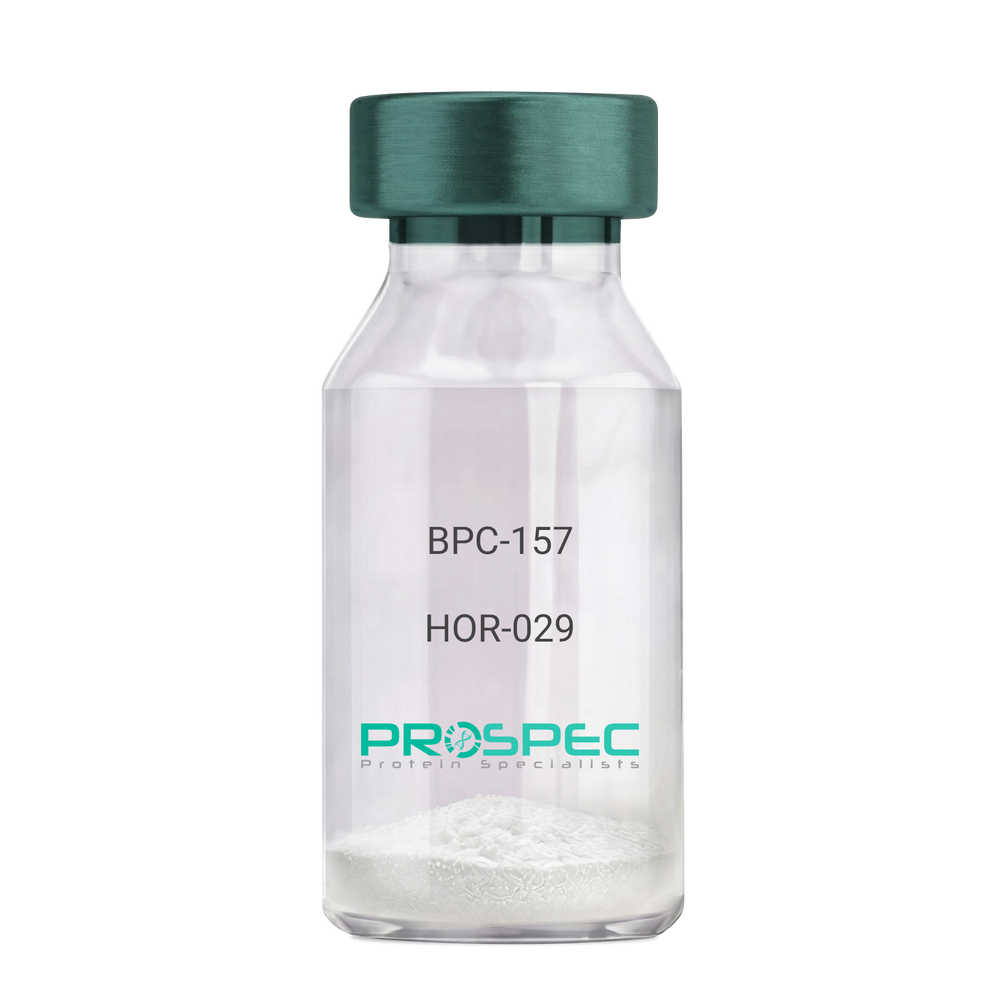
  • View Data Sheet

    Name :

    BPC-157

    Description:

    BPC-157 Pentadecapeptide

    Product # :

    HOR-029

    Price :

    Quantity :

    Shipping Method :

    Room Temp Icon

    Shipped at Room temp

    Add To Cart

    More Info

    • description
    • formulation
    • purity
    • More Info

    Description

    BPC-157 Synthetic is a single, non-glycosylated polypeptide chain containing 15 amino acids, having a molecular mass of 1419.55 Dalton and a Molecular formula of C62H98N16O22.

    Formulation

    The protein was lyophilized with no additives.

    Purity

    Greater than 97.0% as determined by analysis by RP-HPLC.

    More Info

    • Physical Appearance

      Sterile Filtered White lyophilized (freeze-dried) powder.

    • Stability

      Lyophilized BPC-157 although stable at room temperature for 3 weeks, should be stored desiccated below -18°C. Upon reconstitution bpc-157 should be stored at 4°C between 2-7 days and for future use below -18°C. For long term storage it is recommended to add a carrier protein (0.1% HSA or BSA). Please prevent freeze-thaw cycles.

    • Solubility

      It is recommended to reconstitute the lyophilized BPC-157 in sterile 18MΩ-cm H2O not less than 100 µg/ml, which can then be further diluted to other aqueous solutions.

    • Amino Acid Sequence

      H-Gly-Glu-Pro-Pro-Pro-Gly-Lys-Pro-Ala-Asp-Asp-Ala-Gly-Leu-Val-OH

    • Background

      BPC-157, short for Body Protection Compound-157, is a synthetic peptide that has garnered significant attention in the field of regenerative medicine and sports science. This peptide, derived from a portion of the human gastric juice protein known as BPC, exhibits remarkable healing and tissue regeneration properties. BPC-157 has shown promise in various preclinical and clinical studies, demonstrating its potential for the treatment of a wide range of injuries and disorders.

      The research on BPC-157 encompasses investigations into its mechanisms of action, efficacy, safety, and potential therapeutic applications. Studies have elucidated the peptide's ability to enhance angiogenesis, promote collagen synthesis, modulate inflammatory responses, and protect against oxidative stress. These properties make BPC-157 an intriguing candidate for accelerating tissue healing, reducing inflammation, and improving overall recovery outcomes.

      Preclinical studies have revealed the beneficial effects of BPC-157 in several injury models. For instance, BPC-157 has demonstrated its potential in accelerating tendon and ligament healing, mitigating muscle damage, and promoting bone regeneration. These findings suggest that BPC-157 could be a valuable therapeutic tool in orthopedic medicine and sports-related injuries.

      Furthermore, BPC-157 has exhibited promising effects on gastrointestinal health. Studies have highlighted its ability to protect and heal the gut lining, reduce ulcer formation, and alleviate symptoms associated with inflammatory bowel disease. These observations open up avenues for BPC-157 as a potential treatment for gastrointestinal disorders.

      In addition to its regenerative properties, BPC-157 has shown potential in neurological and psychiatric conditions. Research has indicated its neuroprotective effects, with implications for the treatment of traumatic brain injury, stroke, and neurodegenerative disorders. Preliminary studies also suggest BPC-157's potential as an antidepressant and anxiolytic agent.

      Despite the promising findings, further research is needed to fully understand the mechanisms underlying BPC-157's actions and to assess its long-term safety and efficacy. Clinical trials are underway to explore its potential therapeutic applications in humans, including its use in tendon and ligament repair, inflammatory bowel disease, and neurodegenerative disorders.

      This comprehensive review aims to summarize the current state of research on BPC-157, providing an overview of its mechanisms of action and therapeutic potential. By examining relevant studies and findings, we aim to shed light on the diverse applications of BPC-157 and its implications for regenerative medicine, sports science, and various disease

    ProSpec's products are furnished for LABORATORY RESEARCH USE ONLY. The product may not be used as drugs, agricultural or pesticidal products, food additives or household chemicals.

    Bpc 157
  • View Data Sheet

    Name :

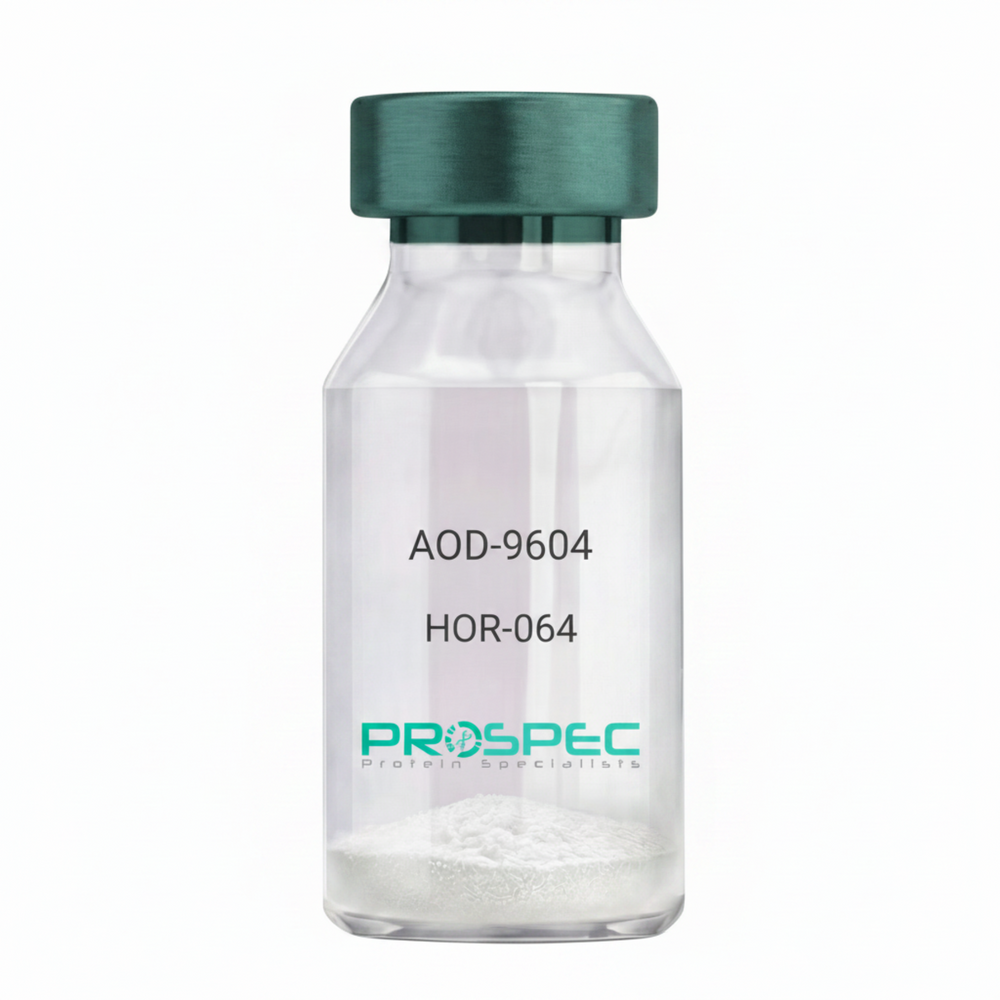
    Retatrutide

    Description:

    Retatrutide

    Product # :

    HOR-058

    Price :

    Quantity :

    Shipping Method :

    Room Temp Icon

    Shipped at Room temp

    Add To Cart

    More Info

    • description
    • formulation
    • purity
    • More Info

    Description

    Retatrutide  is a synthetic single, non-glycosylated polypeptide chain containing 39 amino acids, having a molecular mass of 4731 Dalton and a Molecular formula of C221H342N46O68.               

    Formulation

    The protein was lyophilized with no additives.

    Purity

    Greater than 97.0% as determined by analysis by RP-HPLC.

    More Info

    • Physical Appearance

      Sterile Filtered White lyophilized (freeze-dried) powder.

    • Stability

      Lyophilized Retatrutide although stable at room temperature for 3 weeks, should be stored desiccated below -18°C. Upon reconstitution Retatrutide should be stored at 4°C between 2-7 days and for future use below -18°C.
      For long term storage it is recommended to add a carrier protein (0.1% HSA or BSA).
      Please prevent freeze-thaw cycles.

    • Solubility

      It is recommended to reconstitute the lyophilized Retatrutide in sterile 18MΩ-cm H2O not less than 100 µg/ml, which can then be further diluted to other aqueous solutions.

    • Amino Acid Sequence

      H-Tyr-Aib-Gln-Gly-Thr-Phe-Thr-SerAsp-Tyr-Ser-Ile-α-Me-Leu-Leu-Asp-Lys-{diacid-C20-gamma-Glu- (AEEA)-Lys}-Ala-Gln-Aib-Ala-Phe-Ile-Glu-Tyr-Leu-Leu-Glu-Gly-GlyPro-Ser-Ser-Gly-Ala-Pro-Pro-Pro-Ser-NH2.

    • Background

      Retatrutide is atriple agonist targeting the GIP, GLP-1, and glucagon receptors which offers a distinct metabolic profile that goes beyond previous dual agonists like Tirzepatide. Retatrutide takes a very important part in metabolic pharmacotherapy, achieving high weight loss of nearly 30% in Phase 3 trials. Retatrutide’s triple-receptor agonism—mainly the inclusion of the glucagon receptor—provides a superior metabolic advantage in clearing liver fat and increasing thermogenesis compared to dual agonists.

    ProSpec's products are furnished for LABORATORY RESEARCH USE ONLY. The product may not be used as drugs, agricultural or pesticidal products, food additives or household chemicals.

    AOD-9604
  • View Data Sheet

    Name :

    Antide

    Description:

    Antide Acetate

    Product # :

    HOR-242

    Price :

    Quantity :

    Shipping Method :

    Room Temp Icon

    Shipped at Room temp

    Add To Cart

    More Info

    • description
    • formulation
    • purity
    • More Info

    Description

    Antide acetate (Ac-AA10-NH2) is an LHRH antagonist and represses LH and FSH release from the pituitary gland. Antide Mw is 1590.6 Dalton.

    Formulation

    The Antide peptide was lyophilized with no additives.

    Purity

    Greater than 98.0% as determined by RP-HPLC.

    More Info

    • Physical Appearance

      Sterile Filtered White lyophilized (freeze-dried) powder.

    • Stability

      Lyophilized Antide although stable at room temperature for 3 weeks, should be stored desiccated below -18°C. Upon reconstitution Antide should be stored at 4°C between 2-7 days and for future use below -18°C. For long term storage it is recommended to add a carrier protein (0.1% HSA or BSA).Please prevent freeze-thaw cycles.

    • Solubility

      It is recommended to reconstitute the lyophilized Antide in sterile water at 0.1mg-0.5mg/ml.

    • Amino Acid Sequence

      Ac-D-2-Nal-D-Phe(4-CL)-3-D-Pal-Ser-Lys(nicotinoyl)-D-Lys(nicotinoyl)-Leu-Lys(Isopropyl)-Pro-D-Ala-Nh2.

    ProSpec's products are furnished for LABORATORY RESEARCH USE ONLY. The product may not be used as drugs, agricultural or pesticidal products, food additives or household chemicals.

    Antide
  • View Data Sheet

    Name :

    CST7 Human

    Description:

    Cystatin 7 Human Recombinant

    Cystatin-F, Cystatin-7, Cystatin-like metastasis-associated protein, CMAP, Leukocystatin, Cystatin 7, CST7, CMAP.

    Product # :

    PRO-2222

    Price :

    Quantity :

    Shipping Method :

    Ice Icon

    Shipped with Ice Packs

    Add To Cart

    More Info

    • description
    • source
    • formulation
    • purity
    • More Info

    Description

    CST7 Human Recombinant produced in E. coli is a single polypeptide chain containing 132 amino acids (20-145) and having a molecular mass of 15.3kDa.CST7 is fused to a 7 amino acid His-tag at C-terminus & purified by proprietary chromatographic techniques.

    Source

    Escherichia Coli.

    Formulation

    The CST7 solution (0.5mg/1ml) contains phosphate buffered saline (pH7.4).

    Purity

    Greater than 95.0% as determined by SDS-PAGE.

    More Info

    • Introduction

      Cystatin 7 (CST7) is a glycosylated cysteine protease inhibitor with a putative role in immune regulation through inhibition of a unique target in the hematopoietic system. Cystatin-7 is comprised of multiple cystatin-like sequences. The superfamily is comprised of 3 inhibitory families: the type 1 cystatins (stefins), type 2 cystatins and the kininogens. Some members are active cysteine protease inhibitors, while others have lost or possibly never had this inhibitory activity. Type 2 cystatin proteins are a class of cysteine proteinase inhibitors found in various human fluids and secretions. CST7 protein expression has been observed in numerous human cancer cell lines established from malignant tumors.

    • Synonyms

      Cystatin-F, Cystatin-7, Cystatin-like metastasis-associated protein, CMAP, Leukocystatin, Cystatin 7, CST7, CMAP.

    • Physical Appearance

      Sterile Filtered clear solution.

    • Stability

      Store at 4°C if entire vial will be used within 2-4 weeks. Store, frozen at -20°C for longer periods of time. For long term storage it is recommended to add a carrier protein (0.1% HSA or BSA).Avoid multiple freeze-thaw cycles.

    • Amino Acid Sequence

      GPSPDTCSQD LNSRVKPGFP KTIKTNDPGV LQAARYSVEK FNNCTNDMFL FKESRITRAL VQIVKGLKYM LEVEIGRTTC KKNQHLRLDD CDFQTNHTLK QTLSCYSEVW VVPWLQHFEV PVLRCHHHHH HH.

    ProSpec's products are furnished for LABORATORY RESEARCH USE ONLY. The product may not be used as drugs, agricultural or pesticidal products, food additives or household chemicals.

    Cst7 Human
  • View Data Sheet

    Name :

    Adiponectin Rat

    Description:

    Adiponectin Rat Recombinant

    Adipocyte C1q and collagen domain-containing protein, Adipocyte complement-related 30kDa protein, Adipose most abundant gene transcript 1 protein, gelatin-binding protein, Acrp30, AdipoQ, GBP-28, APM-1, ACDC.

    Product # :

    CYT-831

    Price :

    Quantity :

    Shipping Method :

    Room Temp Icon

    Shipped at Room temp

    Add To Cart

    More Info

    • description
    • source
    • formulation
    • purity
    • More Info

    Description

    ACRP30 Rat Recombinant produced in 293 cell line is a polypeptide chain containing 238 amino acids and having a total molecular mass of 25.7 kDa. ACRP30 contains a C-Terminal linker (3 AA residue) and a C-Terminal Flag- tag (8 AA residue).

    Source

    HEK293 cell line.

    Formulation

    Filtered (0.4 µm) and lyophilized in 20 mM Tris buffer, 50 mM NaCl, pH 7.5.

    Purity

    Greater than 90.0% as determined by SDS-PAGE.

    More Info

    • Introduction

      Adiponectin, also referred to as Acrp30, AdipoQ and GBP-28, is a recently discovered 244 amino acid protein, the product of the apM1 gene, which is physiologically active and specifically and highly expressed in adipose cells (Adipokine). The protein belongs to the soluble defense collagen super family; it has a collagen-like domain structurally homologous with collagen VIII and X and complement factor C1q-like globular domain. APM-1 forms homotrimers, which are the building blocks for higher order complexes found circulating in serum.

    • Synonyms

      Adipocyte C1q and collagen domain-containing protein, Adipocyte complement-related 30kDa protein, Adipose most abundant gene transcript 1 protein, gelatin-binding protein, Acrp30, AdipoQ, GBP-28, APM-1, ACDC.

    • Physical Appearance

      White lyophilized (freeze-dried) powder.

    • Stability

      Lyophilized ACRP30 although stable at room temperature for 3 weeks, should be stored desiccated below -18°C. Upon reconstitution ACRP30 should be stored at 4°C between 2-7 days and for future use below -18°C.For long term storage it is recommended to add a carrier protein (0.1% HSA or BSA).Please prevent freeze-thaw cycles.

    • Solubility

      Add deionized water to a working concentration approximately 0.5 mg/ml and let the lyophilized pellet dissolve completely. Product is not sterile! Please filter the product by appropriate sterile filter before using it in the cell culture.

    • Amino Acid Sequence

      GITATEGPGA LVPPPKETCA GWMAGIPGYP GHNGIPGRDG RDGTPGEKGE KGDAGVLGPK GDPGDAGMTG AEGPRGFPGT PGRKGEPGEA AYMYHSAFSV GLETRVTVPN VPIRFTKIFY NQQNHYDGST GKFHCNIPGL YYFSYHITVY MKDVKVSLFK KDKAVLFTYD QYQEKNVDQA SGSMLLHLEV GDQVWLQVYG EGDNNGLYAD NVNDSTFTGF LLYHDTNAAADYKDDDDK

    • Background

      What is the molecular weight/Mw of ADIPONECTIN Protein?
      ADIPONECTIN Protein has a total Mw of 25.7kDa.

      What is the source or expression system of ADIPONECTIN Protein?
      HEK293 cell line.

      What is the Purity of ADIPONECTIN Protein?
      ADIPONECTIN Protein is >90% pure as determined by SDS-PAGE.

      What is the Biological Activity of ADIPONECTIN Protein?
      The biological functionality of ADIPONECTIN Protein will be determined in the future.

      What is the amino acid sequence of ADIPONECTIN Protein?
      GITATEGPGA LVPPPKETCA GWMAGIPGYP GHNGIPGRDG RDGTPGEKGE KGDAGVLGPK GDPGDAGMTG AEGPRGFPGT PGRKGEPGEA AYMYHSAFSV GLETRVTVPN VPIRFTKIFY NQQNHYDGST GKFHCNIPGL YYFSYHITVY MKDVKVSLFK KDKAVLFTYD QYQEKNVDQA SGSMLLHLEV GDQVWLQVYG EGDNNGLYAD NVNDSTFTGF LLYHDTNAAADYKDDDDK.

      What applications can ADIPONECTIN Protein be used in?
      ADIPONECTIN Protein can probably be used in western blot, ELISA and Lateral Flow.

      What is the endotoxin level for ADIPONECTIN Protein?
      The endotoxin level is minimal, ADIPONECTIN Protein was purified using conventional chromatography techniques.

    ProSpec's products are furnished for LABORATORY RESEARCH USE ONLY. The product may not be used as drugs, agricultural or pesticidal products, food additives or household chemicals.

    Acrp30 Rat
  • View Data Sheet

    Name :

    Activin-A Mouse

    Description:

    Activin-A Mouse Recombinant

    Inhba, Inhibin beta A, FSH releasing protein.

    Product # :

    CYT-146

    Price :

    Quantity :

    Shipping Method :

    Room Temp Icon

    Shipped at Room temp

    Add To Cart

    More Info

    • description
    • source
    • formulation
    • purity
    • biological activity
    • More Info

    Description

    Active form Activin-A Murine Recombinant produced in e.coli is a homodimeric, non-glycosylated, polypeptide chain containing 2 x 117 amino acids and having a molecular weight of 26.2kDa.The Active form Activin-A is purified by standard chromatographic techniques.

    Source

    E.Coli.

    Formulation

    Mouse Activin-A lyophilized from a concentrated 1mg/ml protein solution containing 0.1% TFA.

    Purity

    Greater than 95% as obsereved by SDS-PAGE.

    Biological Activity

    Biological activity is assessed by the ability to induce cytoxicity of MPC-11 cells and was found to be 8.8ng/ml corresponding to a specific activity of 1.1 x 10⁵ units/mg.

    More Info

    • Introduction

      Activins are homodimers or heterodimers of the different β subunit isoforms, part of the TGFβ family. Mature Activin A has two 116 amino acids residues βA subunits (βA-βA). Activin displays an extensive variety of biological activities, including mesoderm induction, neural cell differentiation, bone remodelling, haematopoiesis, and reproductive physiology. Activins takes part in the production and regulation of hormones such as FSH, LH, GnRH and ACTH. Cells that are identified to express Activin A include fibroblasts, endothelial cells, hepatocytes, vascular smooth muscle cells, macrophages, keratinocytes, osteoclasts, bone marrow monocytes, prostatic epithelium, neurons, chondrocytes, osteoblasts, Leydig cells, Sertoli cells, and ovarian granulosa cells.

    • Synonyms

      Inhba, Inhibin beta A, FSH releasing protein.

    • Physical Appearance

      Lyophilized freeze dried powder.

    • Stability

      Lyophilized Activin-A although stable at room temperature for 3 weeks, should be stored desiccated below -18°C. Upon reconstitution Activin-A should be stored at 4°C between 2-7 days and for future use below -18°C.For long term storage it is recommended to add a carrier protein (0.1% HSA or BSA).Please prevent freeze-thaw cycles.

    • Solubility

      Murine INHBA protein should be reconstituted in distilled pyrogen free water to a concentration of 100ug /ml which can then be further diluted to other aqueous solutions.

    • Amino Acid Sequence

      MGLECDGKVN ICCKKQFFVS FKDIGWNDWI IAPSGYHANY CEGECPSHIA GTSGSSLSFH STVINHYRMR GHSPFANLKS CCVPTKLRPM SMLYYDDGQN IIKKDIQNMI VEECGCS.

    • Background

      What is the molecular weight / Mw of Activin A Protein?
      Activin A Protein has a total Mw of 26.2 kDa.

      What is the source or expression system of Activin A Protein?
      Ecoli

      What is the Purity of Activin A Protein?
      Activin A Protein is >95% pure as determined by SDS-PAGE.

      What is the Biological Activity of Activin A Protein?
      Biological activity is assessed by the ability to induce cytoxicity of MPC-11 cells and was found to be 8.8ng/ml corresponding to a specific activity of 110,000 units/mg.

      What is the endotoxin level for Activin A Protein?
      The endotoxin level is minimal, ACTIVIN A Protein was purified using conventional chromatography techniques.

      What is the amino acid sequence of ACTIVIN A Protein?
      MGLECDGKVN ICCKKQFFVS FKDIGWNDWI IAPSGYHANY CEGECPSHIA GTSGSSLSFH STVINHYRMR GHSPFANLKS CCVPTKLRPM SMLYYDDGQN IIKKDIQNMI VEECGCS.

      What applications can ACTIVIN A Protein be used in?
      ACTIVIN A Protein can probably be used in western blot, ELISA and Lateral Flow.

    ProSpec's products are furnished for LABORATORY RESEARCH USE ONLY. The product may not be used as drugs, agricultural or pesticidal products, food additives or household chemicals.

    Inhba Mouse
  • View Data Sheet

    Name :

    CXCL17 Human, His

    Description:

    VEGF Co-regulated Chemokine 1, His Tag Human Recombinant

    Dcip1, DMC, MGC138300, UNQ473, VCC-1, VCC1, VEGF coregulated chemokine 1, C-X-C motif chemokine 17, Dendritic cell and monocyte chemokine-like protein.

    Product # :

    CHM-024

    Price :

    Quantity :

    Shipping Method :

    Ice Icon

    Shipped with Ice Packs

    Add To Cart

    More Info

    • description
    • source
    • formulation
    • purity
    • More Info
    • SDS-PAGE

    Description

    CXCL17 Human Recombinant produced in E.Coli is a single, non-glycosylated polypeptide chain containing 119 amino acids (22-119 a.a) and having a molecular mass of 13.7kDa.CXCL17 is fused to a 21 amino acid His-tag at N-terminus & purified by proprietary chromatographic techniques.

    Source

    Escherichia Coli.

    Formulation

    CXCL17 protein solution (0.5mg/ml) contains 20mM Tris-HCl buffer (pH 8.0), 0.4M Urea and 10% glycerol.

    Purity

    Greater than 85.0% as determined by SDS-PAGE.

    SDS-PAGE

    CXCL17 Human, His-SDS-PAGE - Product image 1

    More Info

    • Introduction

      Dendritic cell and monocyte chemokinelike protein (DMC/CXCL17/VEGF-correlated chemokine 1/VCC1), is a secreted molecule with a size and predicted 3-dimensional folding pattern similar to that of chemokines CXCL8/IL8 and CXCL14/BRAK. CXCL17 is constitutively generated by airway and intestinal epithelium. CXCL17 induces the chemotaxis of quiescent, but not LPS-activated peripheral blood monocytes and dendritic cells, and it also binds these cells specifically. The expression of CXCL17 is increased in endothelial cells when they are induced to form tubes in vitro. CXCL17, CXCL1/GRO and CXCL8/IL8 which have roles in angiogenesis, show significantly correlated expression with that of VEGF in primary lung, breast and esophageal tumors. Therefore, CXCL17 is suggested to have a role in tumor angiogenesis. The mature Rat CXCL17 shares 82%, 71% amino acid sequence identity with mouse, human CXCL17, respectively.

    • Synonyms

      Dcip1, DMC, MGC138300, UNQ473, VCC-1, VCC1, VEGF coregulated chemokine 1, C-X-C motif chemokine 17, Dendritic cell and monocyte chemokine-like protein.

    • Physical Appearance

      Sterile Filtered clear solution.

    • Stability

      Store at 4°C if entire vial will be used within 2-4 weeks. Store, frozen at -20°C for longer periods of time. For long term storage it is recommended to add a carrier protein (0.1% HSA or BSA).Avoid multiple freeze-thaw cycles.

    • Amino Acid Sequence

      MGSSHHHHHH SSGLVPRGSH MSSLNPGVAR GHRDRGQASR RWLQEGGQEC ECKDWFLRAP RRKFMTVSGL PKKQCPCDHF KGNVKKTRHQ RHHRKPNKHS RACQQFLKQC QLRSFALPL.

    • Background

      What is the molecular weight/Mw of CXCL17 HUMAN, HIS Protein?
      CXCL17 HUMAN, HIS Protein has a total Mw of 13.7kDa.

      What is the source or expression system of CXCL17 HUMAN, HIS Protein?
      Escherichia Coli.

      What is the Purity of CXCL17 HUMAN, HIS Protein?
      CXCL17 HUMAN, HIS Protein is >85% pure as determined by SDS-PAGE.

      What is the Biological Activity of CXCL17 HUMAN, HIS Protein?
      The biological functionality of CXCL17 HUMAN, HIS Protein will be determined in the future.

      What is the amino acid sequence of CXCL17 HUMAN, HIS Protein?
      MGSSHHHHHH SSGLVPRGSH MSSLNPGVAR GHRDRGQASR RWLQEGGQEC ECKDWFLRAP RRKFMTVSGL PKKQCPCDHF KGNVKKTRHQ RHHRKPNKHS RACQQFLKQC QLRSFALPL.

      What applications can CXCL17 HUMAN, HIS Protein be used in?
      CXCL17 HUMAN, HIS Protein can probably be used in western blot, ELISA and Lateral Flow.

      What is the endotoxin level for CXCL17 HUMAN, HIS Protein?
      The endotoxin level is minimal, CXCL17 HUMAN, HIS Protein was purified using conventional chromatography techniques.


    ProSpec's products are furnished for LABORATORY RESEARCH USE ONLY. The product may not be used as drugs, agricultural or pesticidal products, food additives or household chemicals.

    Cxcl17 Human His
  • View Data Sheet

    Name :

    DCN Mouse

    Description:

    Decorin Mouse Recombinant

    Decorin, Bone proteoglycan II, PG-S2, PG40, DCN.

    Product # :

    PRO-2234

    Price :

    Quantity :

    Shipping Method :

    Ice Icon

    Shipped with Ice Packs

    Add To Cart

    More Info

    • description
    • source
    • formulation
    • purity
    • More Info

    Description

    DCN produced in Sf9 Baculovirus cells is a single, glycosylated polypeptide chain (17-354 a.a.) and fused to a 6 aa His Tag at C-terminus containing a total of 344 amino acids and having a molecular mass of 38.8kDa.DCN shows multiple bands between 40-57kDa on SDS-PAGE, reducing conditions and purified by proprietary chromatographic techniques.

    Source

    Sf9, Baculovirus cells.

    Formulation

    DCN protein solution (0.25mg/ml) contains Phosphate buffered saline (pH7.4), 30% glycerol and 0.1mM PMSF.

    Purity

    Greater than 90.0% as determined by SDS-PAGE.

    More Info

    • Introduction

      Decorin (DCN) is a small cellular or pericellular matrix proteoglycan which is closely related in structure to biglycan protein. Decorin is a secreted protein which binds to collagen and fibronectin in extracellular matrix. Decorin appears in different glycoforms, substituted with chondroitin sulfate or dermatan sulfate consistent with the original tissue. DCN contains one attached glycosaminoglycan chain. Decorin influences the rate of fibril formation. Decorin is capable of suppressing the growth of various tumor cell lines. DCN gene defects cause corneal dystrophy. The DCN gene is a candidate gene for Marfan syndrome.

    • Synonyms

      Decorin, Bone proteoglycan II, PG-S2, PG40, DCN.

    • Physical Appearance

      Sterile filtered colorless solution.

    • Stability

      Store at 4°C if entire vial will be used within 2-4 weeks. Store, frozen at -20°C for longer periods of time. For long term storage it is recommended to add a carrier protein (0.1% HSA or BSA).Avoid multiple freeze-thaw cycles.

    • Amino Acid Sequence

      GPFEQRGLFD FMLEDEASGI IPYDPDNPLI SMCPYRCQCH LRVVQCSDLG LDKVPWDFPP DTTLLDLQNN KITEIKEGAF KNLKDLHTLI LVNNKISKIS PEAFKPLVKL ERLYLSKNQL KELPEKMPRT LQELRVHENE ITKLRKSDFN GLNNVLVIEL GGNPLKNSGI ENGAFQGLKS LSYIRISDTN ITAIPQGLPT SLTEVHLDGN KITKVDAPSL KGLINLSKLG LSFNSITVME NGSLANVPHL RELHLDNNKL LRVPAGLAQH KYIQVVYLHN NNISAVGQND FCRAGHPSRK ASYSAVSLYG NPVRYWEIFP NTFRCVYVRS AIQLGNYKHH HHHH

    ProSpec's products are furnished for LABORATORY RESEARCH USE ONLY. The product may not be used as drugs, agricultural or pesticidal products, food additives or household chemicals.

    Dcn Mouse
  • View Data Sheet

    Name :

    CAMK2N1 Human

    Description:

    Calcium/Calmodulin Dependent Protein Kinase II Inhibitor 1 Human Recombinant

    PRO1489; RP11-401M16.1, Calcium/calmodulin-dependent protein kinase II inhibitor 1, CaMKII inhibitory protein alpha, CaMKIIN-alpha, CAMK2N1.

    Product # :

    PRO-1873

    Price :

    Quantity :

    Shipping Method :

    Ice Icon

    Shipped with Ice Packs

    Add To Cart

    More Info

    • description
    • source
    • formulation
    • purity
    • More Info

    Description

    CAMK2N1 Human Recombinant produced in E.Coli is a single, non-glycosylated polypeptide chain containing 101 amino acids (1-78 a.a) and having a molecular mass of 10.9kDa. CAMK2N1 is fused to a 23 amino acid His-tag at N-terminus & purified by proprietary chromatographic techniques.

    Source

    Escherichia Coli.

    Formulation

    CAMK2N1 protein solution (0.25mg/ml) containing 20mM Tris-HCl buffer (pH 8.0), 0.15M NaCl, 20% glycerol and 1mM DTT.

    Purity

    Greater than 90.0% as determined by SDS-PAGE.

    More Info

    • Introduction

      Calcium/Calmodulin Dependent Protein Kinase II Inhibitor 1 (CAMK2N1), which interacts with CAMK2B, is a part of the CAMK2N family. CAMK2N1 is also interacts with CAMK2A in a way which requires CAMK2A activation by Ca2+. CAMK2N1 is potent and specific inhibitor of CaM-kinase II (CAMK2).

    • Synonyms

      PRO1489; RP11-401M16.1, Calcium/calmodulin-dependent protein kinase II inhibitor 1, CaMKII inhibitory protein alpha, CaMKIIN-alpha, CAMK2N1.

    • Physical Appearance

      Sterile Filtered colorless solution.

    • Stability

      Store at 4°C if entire vial will be used within 2-4 weeks. Store, frozen at -20°C for longer periods of time. For long term storage it is recommended to add a carrier protein (0.1% HSA or BSA).Avoid multiple freeze-thaw cycles.

    • Amino Acid Sequence

      MGSSHHHHHH SSGLVPRGSH MGSMSEVLPY GDEKLSPYGD GGDVGQIFSC RLQDTNNFFG AGQNKRPPKL GQIGRSKRVV IEDDRIDDVL KNMTDKAPPG V.

    ProSpec's products are furnished for LABORATORY RESEARCH USE ONLY. The product may not be used as drugs, agricultural or pesticidal products, food additives or household chemicals.

    Camk2N1 Human
  • View Data Sheet

    Name :

    Follistatin Human, Sf9

    Description:

    Follistatin Human Recombinant, Sf9

    Follistatin, FS, Activin-Binding Protein, Follistatin Isoform FST317, FST.

    Product # :

    CYT-865

    Price :

    Quantity :

    Shipping Method :

    Ice Icon

    Shipped with Ice Packs

    Add To Cart

    More Info

    • description
    • source
    • formulation
    • purity
    • More Info
    • sds-page

    Description

    FST produced in Sf9 Baculovirus cells is a single, glycosylated polypeptide chain containing 295 amino acids (30-317a.a.) and having a molecular mass of 32.5kDa.FST is expressed with a 7 amino acid His tag at C-Terminus and purified by proprietary chromatographic techniques.

    Source

    Sf9, Baculovirus cells.

    Formulation

    FST protein solution (0.25mg/ml) contains Phosphate buffered saline (pH7.4) and 10% glycerol.

    Purity

    Greater than 90.0% as determined by SDS-PAGE.

    sds-page

    Follistatin Human, Sf9-sds-page - Product image 1

    More Info

    • Introduction

      Follistatin is a single-chain gonadal protein that specifically inhibits follicle-stimulating hormone release. The single FST gene encodes two isoforms, FST317 and FST344 containing 317 and 344 amino acids respectively, resulting from alternative splicing of the precursor mRNA. In a study in which 37 candidate genes were tested for linkage and association with polycystic ovary syndrome (PCOS) or hyperandrogenemia in 150 families, evidence was found for linkage between PCOS and follistatin. Follistatin binds directly to activin and functions as an activin antagonist. specific inhibitor of the biosynthesis and secretion of pituitary follicle stimulating hormone (fsh).

    • Synonyms

      Follistatin, FS, Activin-Binding Protein, Follistatin Isoform FST317, FST.

    • Physical Appearance

      Sterile filtered colorless solution.

    • Stability

      Store at 4°C if entire vial will be used within 2-4 weeks. Store, frozen at -20°C for longer periods of time. For long term storage it is recommended to add a carrier protein (0.1% HSA or BSA).Avoid multiple freeze-thaw cycles.

    • Amino Acid Sequence

      MGNCWLRQAK NGRCQVLYKT ELSKEECCST GRLSTSWTEE DVNDNTLFKW MIFNGGAPNC IPCKETCENV DCGPGKKCRM NKKNKPRCVC APDCSNITWK GPVCGLDGKT YRNECALLKA RCKEQPELEV QYQGRCKKTC RDVFCPGSST CVVDQTNNAY CVTCNRICPE PASSEQYLCG NDGVTYSSAC HLRKATCLLG RSIGLAYEGK CIKAKSCEDI QCTGGKKCLW DFKVGRGRCS LCDELCPDSK SDEPVCASDN ATYASECAMK EAACSSGVLL EVKHSGSCNH HHHHH

    • Background

      What is the molecular weight/Mw of FOLLISTATIN HUMAN, SF9 Protein?
      FOLLISTATIN HUMAN, SF9 Protein has a total Mw of 32.5kDa.

      What is the source or expression system of FOLLISTATIN HUMAN, SF9 Protein?
      Sf9, Baculovirus cells.
      What is the Purity of FOLLISTATIN HUMAN, SF9 Protein?
      FOLLISTATIN HUMAN, SF9 Protein is >90% pure as determined by SDS-PAGE.

      What is the Biological Activity of FOLLISTATIN HUMAN, SF9 Protein?
      The biological functionality of FOLLISTATIN HUMAN, SF9 Protein will be determined in the future.

      What is the amino acid sequence of FOLLISTATIN HUMAN, SF9 Protein?
      MGNCWLRQAK NGRCQVLYKT ELSKEECCST GRLSTSWTEE DVNDNTLFKW MIFNGGAPNC IPCKETCENV DCGPGKKCRM NKKNKPRCVC APDCSNITWK GPVCGLDGKT YRNECALLKA RCKEQPELEV QYQGRCKKTC RDVFCPGSST CVVDQTNNAY CVTCNRICPE PASSEQYLCG NDGVTYSSAC HLRKATCLLG RSIGLAYEGK CIKAKSCEDI QCTGGKKCLW DFKVGRGRCS LCDELCPDSK SDEPVCASDN ATYASECAMK EAACSSGVLL EVKHSGSCNH HHHHH.

      What applications can FOLLISTATIN HUMAN, SF9 Protein be used in?
      FOLLISTATIN HUMAN, SF9 Protein can probably be used in western blot, ELISA and Lateral Flow.

      What is the endotoxin level for FOLLISTATIN HUMAN, SF9 Protein?
      The endotoxin level is minimal, FOLLISTATIN HUMAN, SF9 Protein was purified using conventional chromatography techniques.

    ProSpec's products are furnished for LABORATORY RESEARCH USE ONLY. The product may not be used as drugs, agricultural or pesticidal products, food additives or household chemicals.

    Fst Human Sf9
  • View Data Sheet

    Name :

    KIAA0101 Human

    Description:

    KIAA0101 Human Recombinant

    KIAA0101, L5, NS5ATP9, OEATC, OEATC-1, OEATC1, p15(PAF), p15/PAF, p15PAF, PAF, PAF15, PCNA-associated factor, Hepatitis C virus NS5A-transactivated protein 9, HCV NS5A-transactivated protein 9, Overexpressed in anaplastic thyroid carcinoma 1, PCNA-associated factor of 15 kDa.

    Product # :

    PRO-1683

    Price :

    Quantity :

    Shipping Method :

    Ice Icon

    Shipped with Ice Packs

    Add To Cart

    More Info

    • description
    • source
    • formulation
    • purity
    • More Info

    Description

    KIAA0101 Human Recombinant produced in E.coli is a single, non-glycosylated polypeptide chain containing 134 amino acids (1-111) and having a molecular mass of 14.4 kDa.KIAA0101 is fused to a 23 amino acid His-tag at N-terminus & purified by proprietary chromatographic techniques.

    Source

    Escherichia Coli.

    Formulation

    The KIAA0101 solution (0.5mg/ml) contains 20mM Tris-HCl buffer (pH 8.0), 0.15M NaCl, 10% glycerol and 1mM DTT.

    Purity

    Greater than 90.0% as determined by SDS-PAGE.

    More Info

    • Introduction

      KIAA0101 is a PCNA-binding protein which performs as a regulator of DNA repair all through DNA replication. Subsequent to DNA mutilation, the collaboration with PCNA is interrupted, enabling the interaction between monoubiquitinated PCNA and the translesion DNA synthesis DNA polymerase eta (POLH) at stalled replisomes, assisting the bypass of replication-fork-blocking lesions. Additionally, KIAA0101 performs as a controller of centrosome number.

    • Synonyms

      KIAA0101, L5, NS5ATP9, OEATC, OEATC-1, OEATC1, p15(PAF), p15/PAF, p15PAF, PAF, PAF15, PCNA-associated factor, Hepatitis C virus NS5A-transactivated protein 9, HCV NS5A-transactivated protein 9, Overexpressed in anaplastic thyroid carcinoma 1, PCNA-associated factor of 15 kDa.

    • Physical Appearance

      Sterile Filtered colorless solution.

    • Stability

      Store at 4°C if entire vial will be used within 2-4 weeks. Store, frozen at -20°C for longer periods of time. For long term storage it is recommended to add a carrier protein (0.1% HSA or BSA).Avoid multiple freeze-thaw cycles.

    • Amino Acid Sequence

      MGSSHHHHHH SSGLVPRGSH MGSMVRTKAD SVPGTYRKVV AARAPRKVLG SSTSATNSTS VSSRKAENKY AGGNPVCVRP TPKWQKGIGE FFRLSPKDSE KENQIPEEAG SSGLGKAKRK ACPLQPDHTN DEKE.

    ProSpec's products are furnished for LABORATORY RESEARCH USE ONLY. The product may not be used as drugs, agricultural or pesticidal products, food additives or household chemicals.

    Kiaa0101 Human
  • View Data Sheet

    Name :

    L Selectin Human

    Description:

    L-selectin Human Recombinant

    L-selectin, Lymph node homing receptor, Leukocyte adhesion molecule 1, LAM-1, Leukocyte surface antigen Leu-8, TQ1, gp90-MEL, Leukocyte-endothelial cell adhesion molecule 1, LECAM1, CD62 antigen-like family member L, CD62L antigen, LAM1, LNHR, LSEL, CD62L, LYAM1, Leu-8, PLNHR, hLHRc, Lyam-1, L-Sel.

    Product # :

    PRO-381

    Price :

    Quantity :

    Shipping Method :

    Ice Icon

    Shipped with Ice Packs

    Add To Cart

    More Info

    • description
    • source
    • formulation
    • purity
    • More Info

    Description

    L-Selectin Human Recombinant is expressed in E. coli containing 294 amino acids 39-332 fused to an amino terminal hexahistidine tag, having a total molecular weight of 37.55kDa.

    Source

    Escherichia Coli.

    Formulation

    L-Sel is supplied in 1x PBS and 50% Glycerol.

    Purity

    Greater than 95% as determined by SDS-PAGE.
    Single band on Western Blot.

    More Info

    • Introduction

      L-Selectin belongs to a family of divalent cation-dependent carbohydrate-binding glycoproteins or adhesion molecules. The L-Selectin molecule is composed of various domains: one homologous to lectins, one to epidermal growth factor, and two to the consensus repeat units found in C3/C4 binding proteins.
      L-selectin is expressed constitutively on lymphocytes, monocytes and granulocytes and interacts specifically with carbohydrate groups on activated endothelial cells. L-Selectin may be shed by proteolytic cleavage and circulating levels in biological fluids may be used as an indicator of various pathological conditions. L-Selectin is cleaved by ADAM17.
      L-selectin works as a "homing receptor" for leukocytes to enter secondary lymphoid tissues via the high endothelial venules. Ligands present on endothelial cells will attach to leukocytes expressing L-selectin, which causes the leukocytes to become localized at that juncture. The receptor is also located on the cell surfaces of "naive" T cells, which have not yet encountered their particular antigen. This surface expression is lost following the cells activation.

    • Synonyms

      L-selectin, Lymph node homing receptor, Leukocyte adhesion molecule 1, LAM-1, Leukocyte surface antigen Leu-8, TQ1, gp90-MEL, Leukocyte-endothelial cell adhesion molecule 1, LECAM1, CD62 antigen-like family member L, CD62L antigen, LAM1, LNHR, LSEL, CD62L, LYAM1, Leu-8, PLNHR, hLHRc, Lyam-1, L-Sel.

    • Physical Appearance

      Sterile filtered colorless solution.

    • Stability

      Store at 4°C if entire vial will be used within 1-2 weeks. Store, frozen at -20°C for longer periods of time. Avoid multiple freeze-thaw cycles.

    • Applications

      L-Selectin can be used directly as a positive control in Western blotting, ELISA, immunoprecipitation and other immunological experiments.
      The biological activity of this product has not yet been tested.

    ProSpec's products are furnished for LABORATORY RESEARCH USE ONLY. The product may not be used as drugs, agricultural or pesticidal products, food additives or household chemicals.

    L Selectin Human
  • View Data Sheet

    Name :

    GLP1R Human

    Description:

    Glucagon Like Peptide 1 Receptor Human Recombinant

    GLP1, GLP2, GRPP

    Product # :

    HOR-027

    Price :

    Quantity :

    Shipping Method :

    Room Temp Icon

    Shipped at Room temp

    Add To Cart

    More Info

    • description
    • source
    • formulation
    • purity
    • More Info

    Description

    GLP1R Human Recombinant produced in E.Coli is a single, non-glycosylated, polypeptide chain (aa 24-145) containing 132 amino acids including a 10 a.a N-terminal His tag. The total molecular mass is 15.55 kDa (calculated).

    Source

    Escherichia Coli.

    Formulation

    GLP1R filtered (0.4 µm) and lyophilized from 0.5mg/ml in 50mM Acetate Buffer, pH 4.0.

    Purity

    Greater than 90.0% as determined by SDS-PAGE.

    More Info

    • Introduction

      The glucagon-like peptide-1 receptor, also known as GLP1R, is a receptor protein found on brain neurons and beta cells of the pancreas. GLP1R activates a signalling cascade that leads to the initiation of adenylyl cyclase and increased intracellular cAMP levels. In humans, GLP1R is synthesized by GLP1R gene, which is present on chromosome 6.
      GLP1R takes part in the control of blood sugar level by enhancing insulin secretion. GLP1R is a part of the glucagon receptor family of G protein-coupled receptors. GLP1R consists of two domains, one transmembrane (TMD) domain, that binds the N-terminal region of GLP-1. And one extracellular (ECD) which binds the C-terminal helix of GLP-1. The TMD domain contains a fulcrum of polar residues that controls the biased signaling of the receptor, while the transmembrane helical boundaries and extracellular surface are a trigger for biased agonism.

    • Synonyms

      GLP1, GLP2, GRPP

    • Physical Appearance

      Filtered White lyophilized (freeze-dried) powder.

    • Stability

      Store lyophilized protein at -20°C. Aliquot the product after reconstitution to avoid repeated freezing/thawing cycles. Reconstituted protein can be stored at 4°C for a limited period of time; it does not show any change after two weeks at 4°C.

    • Solubility

      It is recommended to reconstitute the lyophilized Hepatocyte Growth Factor in 100mM Acetate buffer to a working concentration approximately 0.5mg/ml. Further dilutions should be made using buffer containing protein.

    • Amino Acid Sequence

      MKHHHHHHAS RPQGATVSLW ETVQKWREYR RQCQRSLTED PPPATDLFCN RTFDEYACWP DGEPGSFVNV SCPWYLPWAS SVPQGHVYRF CTAEGLWLQK DNSSLPWRDL SECEESKRGE RSSPEEQLLF LY

    ProSpec's products are furnished for LABORATORY RESEARCH USE ONLY. The product may not be used as drugs, agricultural or pesticidal products, food additives or household chemicals.

    Glp1R Human
  • View Data Sheet

    Name :

    CGREF1 Human

    Description:

    Cell Growth Regulator With EF-Hand Domain 1 Human Recombinant

    Cell Growth Regulator With EF-Hand Domain 1, Cell Growth Regulatory Gene 11 Protein, Hydrophobestin, CGR11, Cell Growth Regulator With EF Hand Domain Protein 1, Cell Growth Regulator With EF Hand Domain 1, Cell growth regulator with EF hand domain protein 1.

    Product # :

    PRO-2154

    Price :

    Quantity :

    Shipping Method :

    Ice Icon

    Shipped with Ice Packs

    Add To Cart

    More Info

    • description
    • source
    • formulation
    • purity
    • More Info

    Description

    CGREF1 Human Recombinant produced in E.Coli is a single, non-glycosylated polypeptide chain containing 305 amino acids (20-301 a.a) and having a molecular mass of 32.3kDa. CGREF1 is fused to a 23 amino acid His-tag at N-terminus & purified by proprietary chromatographic techniques.

    Source

    Escherichia Coli.

    Formulation

    CGREF1 protein solution (0.5mg/ml) containing Phosphate Buffered Saline (pH7.4).

    Purity

    Greater than 85% as determined by SDS-PAGE.

    More Info

    • Introduction

      Cell Growth Regulator with EF-Hand Domain 1, also known as CGREF1 is a secreted calcium ion binding protein. CGREF1 includes two EF-hand domains & both EF-hands are essential for function. CGREF1 is most likely digested extracellularly by an unfamiliar serine protease generating extremely hydrophobic bioactive peptides. CGREF1 mediates cell-cell adhesion in a calcium-dependent manner. In addition, CGREF1 is capable to inhibit growth in more than a few cell lines.

    • Synonyms

      Cell Growth Regulator With EF-Hand Domain 1, Cell Growth Regulatory Gene 11 Protein, Hydrophobestin, CGR11, Cell Growth Regulator With EF Hand Domain Protein 1, Cell Growth Regulator With EF Hand Domain 1, Cell growth regulator with EF hand domain protein 1.

    • Physical Appearance

      Sterile filtered colorless solution.

    • Stability

      Store at 4°C if entire vial will be used within 2-4 weeks. Store, frozen at -20°C for longer periods of time. For long term storage it is recommended to add a carrier protein (0.1% HSA or BSA).Avoid multiple freeze-thaw cycles.

    • Amino Acid Sequence

      MGSSHHHHHH SSGLVPRGSH MGSAPKDGVT RPDSEVQHQL LPNPFQPGQE QLGLLQSYLK GLGRTEVQLE HLSREQVLLY LFALHDYDQS GQLDGLELLS MLTAALAPGA ANSPTTNPVI LIVDKVLETQ DLNGDGLMTP AELINFPGVA LRHVEPGEPL APSPQEPQAV GRQSLLAKSP LRQETQEAPG PREEAKGQVE ARRESLDPVQ EPGGQAEADG DVPGPRGEAE GQAEAKGDAP GPRGEAGGQA EAEGDAPGPR GEAGGQAEAR ENGEEAKELP GETLESKNTQ NDFEVHIVQV ENDEI.

    ProSpec's products are furnished for LABORATORY RESEARCH USE ONLY. The product may not be used as drugs, agricultural or pesticidal products, food additives or household chemicals.

    Cgref1 Human
  • View Data Sheet

    Name :

    RCVRN Mouse

    Description:

    Recoverin Mouse Recombinant

    RCV1, Cancer-associated retinopathy protein, Protein CAR, RCVRN, Recoverin, S-modulin.

    Product # :

    PRO-2547

    Price :

    Quantity :

    Shipping Method :

    Ice Icon

    Shipped with Ice Packs

    Add To Cart

    More Info

    • description
    • source
    • formulation
    • purity
    • More Info

    Description

    Recoverin Mouse Recombinant produced in E.Coli is a single, non-glycosylated polypeptide chain containing 225 amino acids (1-202a.a.) and having a molecular mass of 25.8kDa. Recoverin Mouse is fused to a 23 amino acid His-tag at N-terminus & purified by proprietary chromatographic techniques.

    Source

    Escherichia Coli.

    Formulation

    The protein (1mg/ml) contains Phosphate Buffered Saline (pH 7.4), 10% glycerol and 1mM DTT.

    Purity

    Greater than 90.0% as determined by SDS-PAGE.

    More Info

    • Introduction

      Recoverin is a member of the recoverin family of neuronal calcium sensors. Recoverin is a heterogeneously acylated calcium-binding and intracellular signal transduction 23kDa protein in the photoreceptor cells of retina. Recoverin contains four EF-hands, of which two bind Ca. Ca-induced extrusion of the acyl group from a hydrophobic cleft in the protein drives the translocation of recoverin from solution to the disc membrane. Recoverin may prolong the termination of the phototransduction cascade in the retina by blocking the phosphorylation of photo-activated rhodopsin. Recoverin plays a key role in the inhibition of rhodopsin kinase, a molecule that regulates the phosphorylation of rhodopsin. This in due course controls the ability of the eye to adapt to, and recover from, exposure to the presence of light. Recoverin is a detectable serologic protein that is expressed in patients with cancer-associated retinopathy, a paraneoplastic syndrome.

    • Synonyms

      RCV1, Cancer-associated retinopathy protein, Protein CAR, RCVRN, Recoverin, S-modulin.

    • Physical Appearance

      Sterile filtered colorless solution.

    • Stability

      Store at 4°C if entire vial will be used within 2-4 weeks. Store, frozen at -20°C for longer periods of time. For long term storage it is recommended to add a carrier protein (0.1% HSA or BSA). Avoid multiple freeze-thaw cycles.

    • Amino Acid Sequence

      MGSSHHHHHH SSGLVPRGSH MGSMGNSKSG ALSKEILEEL QLNTKFTEEE LSAWYQSFLK ECPSGRITRQ EFESIYSKFF PDSDPKAYAQ HVFRSFDANS DGTLDFKEYV IALHMTTAGK PTQKLEWAFS LYDVDGNGTI SKNEVLEIVM AIFKMIKPED VKLLPDDENT PEKRAEKIWA FFGKKEDDKL TEEEFIEGTL ANKEILRLIQ FEPQKVKERI KEKKQ.

    ProSpec's products are furnished for LABORATORY RESEARCH USE ONLY. The product may not be used as drugs, agricultural or pesticidal products, food additives or household chemicals.

    Recoverin Mouse
  • View Data Sheet

    Name :

    CRNN Human

    Description:

    Cornulin Human Recombinant

    SEP53, DRC1, PDRC1, Cornulin, Tumor-related protein, Squamous epithelial heat shock protein 53, 53 kDa squamous epithelial-induced stress protein, 58 kDa heat shock protein, 53 kDa putative calcium-binding protein, CRNN, C1orf10.

    Product # :

    PRO-797

    Price :

    Quantity :

    Shipping Method :

    Ice Icon

    Shipped with Ice Packs

    Add To Cart

    More Info

    • description
    • source
    • formulation
    • purity
    • More Info

    Description

    CRNN Human Recombinant fused to 20 amino acid His Tag at N-terminal produced in E.Coli is a single, non-glycosylated, polypeptide chain containing 515 amino acids (1-495 a.a.) and having a molecular mass of 55.7 kDa. The CRNN is purified by proprietary chromatographic techniques.

    Source

    Escherichia Coli.

    Formulation

    The CRNN solution contains 20mM Tris-HCl pH-8 and 10% glycerol.

    Purity

    Greater than 85% as determined by SDS-PAGE.

    More Info

    • Introduction

      CRNN is part of the "fused gene" family of proteins, which enclose N-terminus EF-hand domains and multiple tandem peptide repeats. CRNN contains two EF-hand Ca2+ binding domains in its N-terminus and two glutamine- and threonine-rich 60 amino acid repeats in its C-terminus. CRNN, also known as SEP53, which participates in the mucosal/epithelial immune response and epidermal differentiation. CRNN is a survival factor that participates in the clonogenicity of squamous esophageal epithelium cell lines, attenuates deoxycholic acid (DCA)-induced apoptotic cell death and discharge of calcium. When CRNN is over expressed in oral squamous carcinoma cell lines, it regulates negatively cell proliferation by the induction of G1 arrest.

    • Synonyms

      SEP53, DRC1, PDRC1, Cornulin, Tumor-related protein, Squamous epithelial heat shock protein 53, 53 kDa squamous epithelial-induced stress protein, 58 kDa heat shock protein, 53 kDa putative calcium-binding protein, CRNN, C1orf10.

    • Physical Appearance

      Sterile Filtered clear colorless solution.

    • Stability

      Store at 4°C if entire vial will be used within 2-4 weeks. Store, frozen at -20°C for longer periods of time. For long term storage it is recommended to add a carrier protein (0.1% HSA or BSA). Please avoid freeze-thaw cycles.

    • Amino Acid Sequence

      MGSSHHHHHH SSGLVPRGSH MPQLLQNING IIEAFRRYAR TEGNCTALTR GELKRLLEQE FADVIVKPHD PATVDEVLRL LDEDHTGTVE FKEFLVLVFK VAQACFKTLS ESAEGACGSQ ESGSLHSGAS QELGEGQRSG TEVGRAGKGQ HYEGSSHRQS QQGSRGQNRP GVQTQGQATG SAWVSSYDRQ AESQSQERIS PQIQLSGQTE QTQKAGEGKR NQTTEMRPER QPQTREQDRA HQTGETVTGS GTQTQAGATQ TVEQDSSHQT GRTSKQTQEA TNDQNRGTET HGQGRSQTSQ AVTGGHAQIQ AGTHTQTPTQ TVEQDSSHQT GSTSTQTQES TNGQNRGTEI HGQGRSQTSQ AVTGGHTQIQ AGSHTETVEQ DRSQTVSHGG AREQGQTQTQ PGSGQRWMQV SNPEAGETVP GGQAQTGAST EPGRQEWSST HPRRCVTEGQ GDRQPTVVGE EWVDDHSRET VILRLDQGNL HTSVSSAQGQ DAAQSEEKRG ITARELYSYL RSTKP.

    ProSpec's products are furnished for LABORATORY RESEARCH USE ONLY. The product may not be used as drugs, agricultural or pesticidal products, food additives or household chemicals.

    CRNN Human
  • View Data Sheet

    Name :

    MYOZ1 Human

    Description:

    Myozenin 1 Human Recombinant

    CS-2, FATZ, MYOZ, Calsarcin-2, Filamin-, actinin- and telethonin-binding protein,Protein FATZ, MYOZ1.

    Product # :

    PRO-1652

    Price :

    Quantity :

    Shipping Method :

    Ice Icon

    Shipped with Ice Packs

    Add To Cart

    More Info

    • description
    • source
    • formulation
    • purity
    • More Info

    Description

    MYOZ1 Human Recombinant produced in E.Coli is a single, non-glycosylated polypeptide chain containing 322 amino acids (1-299 a.a.) and having a molecular mass of 34.1kDa.MYOZ1 is fused to a 23 amino acid His-tag at N-terminus & purified by proprietary chromatographic techniques.

    Source

    Escherichia Coli.

    Formulation

    MYOZ1 protein solution (1mg/ml) contains 20mM Tris-HCl buffer, (pH 8.0), 0.4M UREA and 10% glycerol.

    Purity

    Greater than 90.0% as determined by SDS-PAGE.

    More Info

    • Introduction

      Myozenin 1 (MYOZ1) is a member of the myozenin family. MYOZ1 is mostly expressed in the skeletal muscle. Members of the myozenin family act as calcineurin-interacting proteins which helps tether calcineurin to the sarcomere of cardiac and skeletal muscle. The myozenin family plays a significant role in modulation of calcineurin signaling.

    • Synonyms

      CS-2, FATZ, MYOZ, Calsarcin-2, Filamin-, actinin- and telethonin-binding protein,Protein FATZ, MYOZ1.

    • Physical Appearance

      Sterile Filtered clear solution.

    • Stability

      Store at 4°C if entire vial will be used within 2-4 weeks. Store, frozen at -20°C for longer periods of time. For long term storage it is recommended to add a carrier protein (0.1% HSA or BSA).Avoid multiple freeze-thaw cycles.

    • Amino Acid Sequence

      MGSSHHHHHH SSGLVPRGSH MGSMPLSGTP APNKKRKSSK LIMELTGGGQ ESSGLNLGKK ISVPRDVMLE ELSLLTNRGS KMFKLRQMRV EKFIYENHPD VFSDSSMDHF QKFLPTVGGQ LGTAGQGFSY SKSNGRGGSQ AGGSGSAGQY GSDQQHHLGS GSGAGGTGGP AGQAGRGGAA GTAGVGETGS GDQAGGEGKH ITVFKTYISP WERAMGVDPQ QKMELGIDLL AYGAKAELPK YKSFNRTAMP YGGYEKASKR MTFQMPKFDL GPLLSEPLVL YNQNLSNRPS FNRTPIPWLS SGEPVDYNVD IGIPLDGETE EL.

    ProSpec's products are furnished for LABORATORY RESEARCH USE ONLY. The product may not be used as drugs, agricultural or pesticidal products, food additives or household chemicals.

    Myoz1 Human
  • View Data Sheet

    Name :

    CXCL7 Human

    Description:

    Neutrophil Activating Protein-2 Human Recombinant (CXCL7)

    Platelet basic protein, PBP, Small inducible cytokine B7, CXCL7, Leukocyte-derived growth factor, LDGF, Macrophage-derived growth factor, MDGF, pro-platelet basic protein (chemokine (C-X-C motif) ligand 7), TC1, TC2, TGB, TGB1, B-TG1, CTAP3, NAP-2, SCYB7, THBGB, LA-PF4, THBGB1, Beta-TG, CTAPIII, CTAP-III.

    Product # :

    CHM-274

    Price :

    Quantity :

    Shipping Method :

    Room Temp Icon

    Shipped at Room temp

    Add To Cart

    More Info

    • description
    • source
    • formulation
    • purity
    • biological activity
    • More Info

    Description

    Neutrophil Activating Protein-2 Human Recombinant produced in E.Coli is a non-glycosylated, Polypeptide chain containing 70 amino acids and having a molecular mass of 7609 Dalton. The NAP-2 is purified by proprietary chromatographic techniques.

    Source

    Escherichia Coli.

    Formulation

    The CXCL7 protein was lyophilized from a concentrated (1mg/ml) sterile solution containing no additives.

    Purity

    Greater than 97% as determined by:
    (a) Analysis by RP-HPLC.
    (b) Analysis by SDS-PAGE.

    Biological Activity

    The specific activity as determined by the ability of NAP2 to chemoattract human neurotrophils using a concentration of 1-10ng/ml corresponding to a Specific Activity of 100,000-1,000,000IU/mg.

    More Info

    • Introduction

      Chemokine (C-X-C motif) ligand (CXCL7) is a small cytokine belonging to the CXC chemokine family. It is a protein that is released in large amounts from platelets following their activation. It stimulates various processes including mitogenesis, synthesis of extracellular matrix, glucose metabolism and synthesis of plasminogen activator.

    • Synonyms

      Platelet basic protein, PBP, Small inducible cytokine B7, CXCL7, Leukocyte-derived growth factor, LDGF, Macrophage-derived growth factor, MDGF, pro-platelet basic protein (chemokine (C-X-C motif) ligand 7), TC1, TC2, TGB, TGB1, B-TG1, CTAP3, NAP-2, SCYB7, THBGB, LA-PF4, THBGB1, Beta-TG, CTAPIII, CTAP-III.

    • Physical Appearance

      Sterile Filtered White lyophilized (freeze-dried) powder.

    • Stability

      Lyophilized NAP-2 although stable at room temperature for 3 weeks, should be stored desiccated below -18°C. Upon reconstitution CXCL7should be stored at 4°C between 2-7 days and for future use below -18°C. For long term storage it is recommended to add a carrier protein (0.1% HSA or BSA).Please prevent freeze-thaw cycles.

    • Solubility

      It is recommended to reconstitute the lyophilized Neutrophil Activating Protein-2in sterile 18MΩ-cm H2O not less than 100µg/ml, which can then be further diluted to other aqueous solutions.

    • Amino Acid Sequence

      The sequence of the first five N-terminal amino acids was determined and was found to be Ala-Glu-Leu-Arg-Cys.

    • Background

      What is the molecular weight/Mw of CXCL7 HUMAN Protein?
      CXCL7 HUMAN Protein has a total Mw of 7.6kDa.

      What is the source or expression system of CXCL7 HUMAN Protein?
      Escherichia Coli.

      What is the Purity of CXCL7 HUMAN Protein?
      CXCL7 HUMAN Protein is > 97% pure as determined by SDS-PAGE.

      What is the Biological Activity of CXCL7 HUMAN Protein?
      The specific activity as determined by the ability of NAP2 to chemoattract human neurotrophils using a concentration of 1-10ng/ml corresponding to a Specific Activity of 100,000-1,000,000IU/mg.

      What is the amino acid sequence of CXCL7 HUMAN Protein?
      The sequence of the first five N-terminal amino acids was determined and was found to be Ala-Glu-Leu-Arg-Cys.

      What applications can CXCL7 HUMAN Protein be used in?
      CXCL7 HUMAN Protein can probably be used in western blot, ELISA and Lateral Flow.

      What is the endotoxin level for CXCL7 HUMAN Protein?
      The endotoxin level is minimal, CXCL7 HUMAN Protein was purified using conventional chromatography techniques.


    ProSpec's products are furnished for LABORATORY RESEARCH USE ONLY. The product may not be used as drugs, agricultural or pesticidal products, food additives or household chemicals.

    Nap2 Human
  • View Data Sheet

    Name :

    SOSTDC1 Human

    Description:

    Sclerostin Domain Containing 1 Human Recombinant

    Sclerostin domain-containing protein 1, Ectodermal BMP inhibitor, Ectodin, Uterine sensitization-associated gene 1 protein, USAG-1, SOSTDC1, USAG1, CDA019.

    Product # :

    PRO-426

    Price :

    Quantity :

    Shipping Method :

    Ice Icon

    Shipped with Ice Packs

    Add To Cart

    More Info

    • description
    • source
    • formulation
    • purity
    • More Info

    Description

    SOSTDC1 Human Recombinant produced in E.Coli is a single, non-glycosylated polypeptide chain containing 206 amino acids (24-206 a.a) and having a molecular mass of 23kDa.SOSTDC1 is fused to a 23 amino acid His-tag at N-terminus & purified by proprietary chromatographic techniques.

    Source

    Escherichia Coli.

    Formulation

    SOSTDC1 protein solution (1mg/ml) containing 20mM Tris-HCl buffer (pH 8.0), 0.4M UREA and 10% glycerol.

    Purity

    Greater than 85.0% as determined by SDS-PAGE.

    More Info

    • Introduction

      Sclerostin Domain Containing 1 (SOSTDC1) belongs to the sclerostin family and an N-glycosylated, secreted protein with a C-terminal cystine knot-like domain. The SOSTDC1 protein acts as a bone morphogenetic protein (BMP) antagonist. Specifically, SOSTDC1 directly associates with BMPs, prohibiting them from binding their receptors, thus regulating BMP signaling throughout cellular proliferation, differentiation, and programmed cell death. SOSTDC1 may also be involved in the onset of endometrial receptivity for implantation/sensitization for the decidual cell reaction Enhances Wnt signaling and hinders TGF-beta signaling. In addition, SOSTDC1 directly antagonizes the activity of BMP2, BMP4, BMP6 and BMP7 in a dose-dependent manner.

    • Synonyms

      Sclerostin domain-containing protein 1, Ectodermal BMP inhibitor, Ectodin, Uterine sensitization-associated gene 1 protein, USAG-1, SOSTDC1, USAG1, CDA019.

    • Physical Appearance

      Sterile Filtered colorless solution.

    • Stability

      Store at 4°C if entire vial will be used within 2-4 weeks. Store, frozen at -20°C for longer periods of time. For long term storage it is recommended to add a carrier protein (0.1% HSA or BSA).Avoid multiple freeze-thaw cycles.

    • Amino Acid Sequence

      MGSSHHHHHH SSGLVPRGSH MGSFKNDATE ILYSHVVKPV PAHPSSNSTL NQARNGGRHF SNTGLDRNTR VQVGCRELRS TKYISDGQCT SISPLKELVC AGECLPLPVL PNWIGGGYGT KYWSRRSSQE WRCVNDKTRT QRIQLQCQDG STRTYKITVV TACKCKRYTR QHNESSHNFE SMSPAKPVQH HRERKRASKS SKHSMS.

    ProSpec's products are furnished for LABORATORY RESEARCH USE ONLY. The product may not be used as drugs, agricultural or pesticidal products, food additives or household chemicals.

    Sostdc1 Human
  • View Data Sheet

    Name :

    Omentin 298 a.a. Human

    Description:

    Omentin 298 a.a. Human Recombinant

    Intelectin-1, HL1, LFR, HL-1, INTL, ITLN, hIntL.

    Product # :

    CYT-061

    Price :

    Quantity :

    Shipping Method :

    Ice Icon

    Shipped with Ice Packs

    Add To Cart

    More Info

    • description
    • source
    • formulation
    • purity
    • More Info

    Description

    Omentin Human Recombinant produced in E.coli is a single, non-glycosylated polypeptide chain containing 298 amino acids (17-313) and having a molecular mass of 33.2 kDa.The Omentin is purified by proprietary chromatographic techniques.

    Source

    Escherichia Coli.

    Formulation

    Omentin protein (1mg/ml) is supplied in 20mM Tris-HCL, pH-8, 0.4M Urea and 10% Glycerol.

    Purity

    Greater than 90.0% as determined by SDS-PAGE.

    More Info

    • Introduction

      Omentin is a recently recognized gene highly localized to the mental tissue (visceral adipose tissue). Omentin is present in the stromal vascular cells in the adipose tissue rather than in the adipocytes. Omentin is predominantly expressed in the visceral adipose tissue than the subcutaneous tissue, with the omentin mRNA being 150 times higher in the visceral adipose tissue. Omentin has also been detected in human blood using western blot analysis, and seems to increase insulin-stimulated glucose uptake in 3T3-L1 adipocytes in mice. Omentin seems to increase Akt phosphorylation irrespective of insulin presence. Its role in glucose metabolism and obesity remains to be described; an insulin-sensitizing action is possible.Differences in Omentin expression has been noted in adipose tissue from normals and patients with inflammatory bowel disease although its significance is unknown.

    • Synonyms

      Intelectin-1, HL1, LFR, HL-1, INTL, ITLN, hIntL.

    • Physical Appearance

      Sterile Filtered colorless solution.

    • Stability

      Store at 4°C if entire vial will be used within 2-4 weeks. Store, frozen at -20°C for longer periods of time. For long term storage it is recommended to add a carrier protein (0.1% HSA or BSA).Avoid multiple freeze-thaw cycles.

    • Amino Acid Sequence

      MWSTDEANTY FKEWTCSSSP SLPRSCKEIK DECPSAFDGL YFLRTENGVI YQTFCDMTSG GGGWTLVASV HENDMRGKCT VGDRWSSQQG SKAVYPEGDG NWANYNTFGS AEAATSDDYK NPGYYDIQAK DLGIWHVPNK SPMQHWRNSS LLRYRTDTGF LQTLGHNLFG IYQKYPVKYG EGKCWTDNGP VIPVVYDFGD AQKTASYYSP YGQREFTAGF VQFRVFNNER AANALCAGMR VTGCNTEHHC IGGGGYFPEA SPQQCGDFSG FDWSGYGTHV GYSSSREITE AAVLLFYR

    ProSpec's products are furnished for LABORATORY RESEARCH USE ONLY. The product may not be used as drugs, agricultural or pesticidal products, food additives or household chemicals.

    Omentin 298 Aa Human
  • 1
  • …
  • 8
  • 9
  • 10
  • 11
  • 12
  • …
  • 42
Your browser does not support the video tag.

Products

  • Cytokines
  • Growth Factors
  • Chemokines
  • CD Antigens
  • Neurotrophins
  • Hormones
  • Enzymes
  • Viral Antigens
  • Recombinant Proteins
  • Natural Proteins
  • Monoclonal Antibodies
  • Polyclonal Antibodies
  • Thermal Packaging

About

  • Company
  • Founder
  • Contribution
  • Contact Us
  • My Account

Ordering

  • Ordering Method
  • Ordering - Credit Card
  • Ordering PO
  • Shipping Fees
  • FAQ's

Legal

  • Terms & Conditions
  • Privacy
  • Site Map
  • info@prospecbio.com
  • Facebook
  • Instagram
  • Linkedin Profile

© 2026 ProSpec-Tany TechnoGene Ltd. All Rights Reserved.

  • Choosing a selection results in a full page refresh.
  • Opens in a new window.