Skip to content

High-quality research proteins.

  • 1-800-805-6531

  • Mon - Sat 8.00-18.00, Sun - Closed

  • info@prospecbio.com

  • PO Box 6591 East Brunswick NJ 08816

  • Products
    • Cytokines
    • Growth factors
    • Chemokines
    • Cd antigens
    • Neurotrophins
    • Hormones
    • Enzymes
    • Viral antigens
    • Recombinant proteins
    • Natural proteins
    • Monoclonal antibodies
    • Polyclonal antibodies
    • Thermal Packaging
  • About
    • Company
    • Founder
    • Contribution
  • Customers
    • Eastern Asia
    • Eastern Europe
    • North America
    • South America
    • South East Asia
    • Southern Asia
    • Western Europe
  • Ordering
    • Ordering Method
    • Ordering - Credit Card
    • Ordering - PO
    • Shipping Fees
    • FAQs
  • Services
    • DNA Cloning
    • Protein Expression
    • Monoclonal Antibody
    • Fermentation
    • Technology License
  • Contact us
Log in

Country/region

  • USD $ | Albania
  • USD $ | Andorra
  • USD $ | Argentina
  • USD $ | Armenia
  • USD $ | Australia
  • USD $ | Austria
  • USD $ | Azerbaijan
  • USD $ | Belarus
  • USD $ | Belgium
  • USD $ | Bolivia
  • USD $ | Brazil
  • USD $ | Bulgaria
  • USD $ | Cambodia
  • USD $ | Canada
  • USD $ | Chile
  • USD $ | China
  • USD $ | Colombia
  • USD $ | Costa Rica
  • USD $ | Croatia
  • USD $ | Cyprus
  • USD $ | Czechia
  • USD $ | Denmark
  • USD $ | Estonia
  • USD $ | Finland
  • USD $ | France
  • USD $ | Georgia
  • USD $ | Germany
  • USD $ | Greece
  • USD $ | Hong Kong SAR
  • USD $ | Hungary
  • USD $ | Iceland
  • USD $ | India
  • USD $ | Ireland
  • USD $ | Israel
  • USD $ | Italy
  • USD $ | Japan
  • USD $ | Kazakhstan
  • USD $ | Latvia
  • USD $ | Liechtenstein
  • USD $ | Lithuania
  • USD $ | Madagascar
  • USD $ | Malta
  • USD $ | Mexico
  • USD $ | Moldova
  • USD $ | Monaco
  • USD $ | Netherlands
  • USD $ | New Zealand
  • USD $ | North Macedonia
  • USD $ | Norway
  • USD $ | Panama
  • USD $ | Paraguay
  • USD $ | Peru
  • USD $ | Philippines
  • USD $ | Poland
  • USD $ | Portugal
  • USD $ | Romania
  • USD $ | Singapore
  • USD $ | Slovakia
  • USD $ | Slovenia
  • USD $ | South Africa
  • USD $ | South Korea
  • USD $ | Spain
  • USD $ | Sri Lanka
  • USD $ | Sweden
  • USD $ | Switzerland
  • USD $ | Taiwan
  • USD $ | Thailand
  • USD $ | Türkiye
  • USD $ | Ukraine
  • USD $ | United Kingdom
  • USD $ | United States
  • USD $ | Uruguay
  • USD $ | Vatican City
  • USD $ | Venezuela
  • USD $ | Vietnam
  • Facebook
  • Instagram
logoProSpec - Recombinant Protein Manufacturer for academic and R&D industry
Become a distributor
Account Log in
Wishlist
Cart Cart(0)
  • Products
    +
    • Cytokines
    • Growth factors
    • Chemokines
    • Cd antigens
    • Neurotrophins
    • Hormones
    • Enzymes
    • Viral antigens
    • Recombinant proteins
    • Natural proteins
    • Monoclonal antibodies
    • Polyclonal antibodies
    • Thermal Packaging
  • About
    +
    • Company
    • Founder
    • Contribution
  • Customers
    +
    • Eastern Asia
    • Eastern Europe
    • North America
    • South America
    • South East Asia
    • Southern Asia
    • Western Europe
  • Ordering
    +
    • Ordering Method
    • Ordering - Credit Card
    • Ordering - PO
    • Shipping Fees
    • FAQs
  • Services
    +
    • DNA Cloning
    • Protein Expression
    • Monoclonal Antibody
    • Fermentation
    • Technology License
  • Contact us

Item added to your cart

View cart
View All
  • Cytokines
  • Growth factors
  • Chemokines
  • Cd antigens
  • Neurotrophins
  • Hormones
  • Enzymes
  • Viral antigens
  • Recombinant proteins
  • Natural proteins
  • Monoclonal antibodies
  • Polyclonal antibodies
  • Thermal Packaging
  • Tumor Necrosis Factor

    Tumor Necrosis Factor

    View All
  • 4-1BB

    4-1BB

    View All
  • Adiponectin

    Adiponectin

    View All
  • AIF1

    AIF1

    View All
  • Other Cytokines

    Other Cytokines

    View All
  • AITRL

    AITRL

    View All
  • Angiopoietin

    Angiopoietin

    View All
  • Apolipoprotein

    Apolipoprotein

    View All
  • B-Cell Activating Factor

    B-Cell Activating Factor

    View All
  • Beta Defensin

    Beta Defensin

    View All
  • Bone Morphogenetic Protein

    Bone Morphogenetic Protein

    View All
  • B type Natriuretic Peptide

    B type Natriuretic Peptide

    View All
  • BST

    BST

    View All
  • Betacellulin

    Betacellulin

    View All
  • Cardiotrophin

    Cardiotrophin

    View All
  • Activin

    Activin

    View All
  • Fibroblast Growth Factor

    Fibroblast Growth Factor

    View All
  • Other Growth Factors

    Other Growth Factors

    View All
  • CSF

    CSF

    View All
  • CTGF

    CTGF

    View All
  • IGFBP

    IGFBP

    View All
  • VEGF Protein

    VEGF Protein

    View All
  • EGF

    EGF

    View All
  • Epigen

    Epigen

    View All
  • Erythropoietin

    Erythropoietin

    View All
  • Insulin-Like Growth Factor

    Insulin-Like Growth Factor

    View All
  • Growth Hormone

    Growth Hormone

    View All
  • HDGF

    HDGF

    View All
  • Hepatocyte Growth Factor

    Hepatocyte Growth Factor

    View All
  • Insulin

    Insulin

    View All
  • BCA-1/ BLC (CXCL13)

    BCA-1/ BLC (CXCL13)

    View All
  • BRAK (CXCL14)

    BRAK (CXCL14)

    View All
  • C-10 (CCL6)

    C-10 (CCL6)

    View All
  • Other Chemokines

    Other Chemokines

    View All
  • MEC (CCL28)

    MEC (CCL28)

    View All
  • LD78-beta (CCL3L1)

    LD78-beta (CCL3L1)

    View All
  • CTACK (CCL27)

    CTACK (CCL27)

    View All
  • CXCL16

    CXCL16

    View All
  • CXCL17

    CXCL17

    View All
  • Platelet Factor-4 (CXCL4)

    Platelet Factor-4 (CXCL4)

    View All
  • ENA-78 (CXCL5)

    ENA-78 (CXCL5)

    View All
  • Eotaxin (CCL11,24,26)

    Eotaxin (CCL11,24,26)

    View All
  • Exodus-2 (CCL21)

    Exodus-2 (CCL21)

    View All
  • Fractalkine (CX3CL1)

    Fractalkine (CX3CL1)

    View All
  • CXCL6

    CXCL6

    View All
  • Other CD Antigens

    Other CD Antigens

    View All
  • CD14

    CD14

    View All
  • CD164

    CD164

    View All
  • CD1

    CD1

    View All
  • CD2

    CD2

    View All
  • CD200

    CD200

    View All
  • CD207

    CD207

    View All
  • CD226

    CD226

    View All
  • CD23

    CD23

    View All
  • CD244

    CD244

    View All
  • CD247

    CD247

    View All
  • CD27

    CD27

    View All
  • CD274

    CD274

    View All
  • CD300

    CD300

    View All
  • CD33

    CD33

    View All
  • Other Neurotrophins

    Other Neurotrophins

    View All
  • Beta-NGF

    Beta-NGF

    View All
  • BDNF

    BDNF

    View All
  • CDNF

    CDNF

    View All
  • CNTF

    CNTF

    View All
  • GDNF

    GDNF

    View All
  • Glia Maturation Factor

    Glia Maturation Factor

    View All
  • MANF

    MANF

    View All
  • Midkine

    Midkine

    View All
  • Neuroglobin

    Neuroglobin

    View All
  • Neurotrophic factors

    Neurotrophic factors

    View All
  • Neuregulin

    Neuregulin

    View All
  • Neuropilin

    Neuropilin

    View All
  • Pigment Epithelium-Derived Factor

    Pigment Epithelium-Derived Factor

    View All
  • Pleiotrophin

    Pleiotrophin

    View All
  • Peptide Hormones

    Peptide Hormones

    View All
  • Other Hormones

    Other Hormones

    View All
  • HCG

    HCG

    View All
  • Endothelin

    Endothelin

    View All
  • Exendin

    Exendin

    View All
  • FSH

    FSH

    View All
  • Glucagon

    Glucagon

    View All
  • GHRP

    GHRP

    View All
  • GLP

    GLP

    View All
  • Thyrostimulin

    Thyrostimulin

    View All
  • Inhibin A

    Inhibin A

    View All
  • LHRH

    LHRH

    View All
  • Melanotan

    Melanotan

    View All
  • Procalcitonin

    Procalcitonin

    View All
  • PTH

    PTH

    View All
  • Peroxiredoxin

    Peroxiredoxin

    View All
  • Peptidase

    Peptidase

    View All
  • Synthetase

    Synthetase

    View All
  • Transferase

    Transferase

    View All
  • Hydrolase

    Hydrolase

    View All
  • Dehydrogenase

    Dehydrogenase

    View All
  • ACE2

    ACE2

    View All
  • Esterase

    Esterase

    View All
  • Protein Kinases

    Protein Kinases

    View All
  • Other Enzymes

    Other Enzymes

    View All
  • Phosphatase

    Phosphatase

    View All
  • Deaminase

    Deaminase

    View All
  • Oxygenase

    Oxygenase

    View All
  • Adenylate Kinase

    Adenylate Kinase

    View All
  • Lyase

    Lyase

    View All
  • Chagas

    Chagas

    View All
  • SARS

    SARS

    View All
  • Influenza

    Influenza

    View All
  • ASFV

    ASFV

    View All
  • Astrovirus

    Astrovirus

    View All
  • Borrelia

    Borrelia

    View All
  • Helicobacter Pylori

    Helicobacter Pylori

    View All
  • Chikungunya

    Chikungunya

    View All
  • Chlamydia

    Chlamydia

    View All
  • Cytomegalo

    Cytomegalo

    View All
  • Dengue

    Dengue

    View All
  • EBV

    EBV

    View All
  • Ebola

    Ebola

    View All
  • Feline Leukemia Virus

    Feline Leukemia Virus

    View All
  • Hepatitis A

    Hepatitis A

    View All
  • Other

    Other

    View All
  • Actin

    Actin

    View All
  • ADAM

    ADAM

    View All
  • Complement Component

    Complement Component

    View All
  • Ag85

    Ag85

    View All
  • Eukaryotic Translation Initiation Factor

    Eukaryotic Translation Initiation Factor

    View All
  • Anterior Gradient Protein

    Anterior Gradient Protein

    View All
  • Heat Shock Protein

    Heat Shock Protein

    View All
  • Alpha-2-HS-Glycoprotein

    Alpha-2-HS-Glycoprotein

    View All
  • Hemoglobin

    Hemoglobin

    View All
  • Allergy

    Allergy

    View All
  • Anaplasma

    Anaplasma

    View All
  • Angiogenin

    Angiogenin

    View All
  • Ankyrin Repeat Domain

    Ankyrin Repeat Domain

    View All
  • Annexin

    Annexin

    View All
  • Other Natural Proteins

    Other Natural Proteins

    View All
  • Aprotinin

    Aprotinin

    View All
  • Transferrin

    Transferrin

    View All
  • Avidin

    Avidin

    View All
  • Anti Coagulation Factors

    Anti Coagulation Factors

    View All
  • Natural Albumin

    Natural Albumin

    View All
  • Natural Coagulation Factors

    Natural Coagulation Factors

    View All
  • Fibronectin

    Fibronectin

    View All
  • Thrombin

    Thrombin

    View All
  • Anti Human Enzyme

    Anti Human Enzyme

    View All
  • Other Monoclonal Antibodies

    Other Monoclonal Antibodies

    View All
  • Anti Human Cytokine

    Anti Human Cytokine

    View All
  • Anti Human Heat Shock Protein

    Anti Human Heat Shock Protein

    View All
  • Anti Mouse Lymphocyte

    Anti Mouse Lymphocyte

    View All
  • Anti Human Chemokine

    Anti Human Chemokine

    View All
  • Anti Human Lymphocyte

    Anti Human Lymphocyte

    View All
  • Anti Viral Monoclonal

    Anti Viral Monoclonal

    View All
  • Anti Mouse Cytokine

    Anti Mouse Cytokine

    View All
  • Anti-GST Monoclonal

    Anti-GST Monoclonal

    View All
  • Other Polyclonal Antibodies

    Other Polyclonal Antibodies

    View All
  • Anti Viral

    Anti Viral

    View All
  • Anti-GST Monoclonal

    Anti-GST Monoclonal

    View All
Back

Search results

1000 results found for “Calcium Binding Protein”

Name

Description

Product #

Price

Quantity

Shipping Method

  • View Data Sheet

    Name :

    CTBP1 Human

    Description:

    C-Terminal Binding Protein 1 Human Recombinant

    EC 1.1.1, BARS, MGC104684, CTBP1, C-terminal-binding protein 1, CTBP.

    Product # :

    PRO-796

    Price :

    Quantity :

    Shipping Method :

    Ice Icon

    Shipped with Ice Packs

    Add To Cart

    More Info

    • description
    • source
    • formulation
    • purity
    • More Info
    • Citations

    Description

    CTBP1 produced in E.Coli is a single, non-glycosylated polypeptide chain containing 440 amino acids (1-440 a.a.) and having a molecular mass of 47.5kDa.CTBP1 is purified by proprietary chromatographic techniques.

    Source

    Escherichia Coli.

    Formulation

    The CTBP1 protein solution contains 20mM Tris-HCl, pH-8, 100mM NaCl and 10% glycerol.

    Purity

    Greater than 90.0% as determined by SDS-PAGE.

    Citations

    More Info

    • Introduction

      CTBP1 participates in controlling the equilibrium between tubular and stacked structures in the Golgi complex. CTBP1 functions in brown adipose tissue differentiation. CTBP1 has dehydrogenase activity. CTBP1 binds to the C-terminus of adenovirus E1A proteins. CTBP1 phosphoprotein is a transcriptional repressor and that takes part during cellular proliferation. CTBP1 & CTBP2 can dimerize and interact with a polycomb group protein complex which is involved in regulation of gene expression during development.

    • Synonyms

      EC 1.1.1, BARS, MGC104684, CTBP1, C-terminal-binding protein 1, CTBP.

    • Physical Appearance

      Sterile filtered colorless solution.

    • Stability

      Store at 4°C if entire vial will be used within 2-4 weeks. Store, frozen at -20°C for longer periods of time. For long term storage it is recommended to add a carrier protein (0.1% HSA or BSA). Avoid multiple freeze-thaw cycles.

    • Amino Acid Sequence

      MGSSHLLNKG LPLGVRPPIM NGPLHPRPLV ALLDGRDCTV EMPILKDVAT VAFCDAQSTQ EIHEKVLNEA VGALMYHTIT LTREDLEKFK ALRIIVRIGS GFDNIDIKSA GDLGIAVCNV PAASVEETAD STLCHILNLY RRATWLHQAL REGTRVQSVE QIREVASGAA RIRGETLGII GLGRVGQAVA LRAKAFGFNV LFYDPYLSDG VERALGLQRV STLQDLLFHS DCVTLHCGLN EHNHHLINDF TVKQMRQGAF LVNTARGGLV DEKALAQALK EGRIRGAALD VHESEPFSFS QGPLKDAPNL ICTPHAAWYS EQASIEMREE AAREIRRAIT GRIPDSLKNC VNKDHLTAAT HWASMDPAVV HPELNGAAYR YPPGVVGVAP TGIPAAVEGI VPSAMSLSHG LPPVAHPPHA PSPGQTVKPE ADRDHASDQL.

    ProSpec's products are furnished for LABORATORY RESEARCH USE ONLY. The product may not be used as drugs, agricultural or pesticidal products, food additives or household chemicals.

    Ctbp1 Human
  • View Data Sheet

    Name :

    CAPS Human

    Description:

    Calcyphosine Human Recombinant

    Calcyphosin, Calcyphosine, CAPS, CAPS1, MGC126562.

    Product # :

    PRO-117

    Price :

    Quantity :

    Shipping Method :

    Ice Icon

    Shipped with Ice Packs

    Add To Cart

    More Info

    • description
    • source
    • formulation
    • purity
    • More Info
    • Citations

    Description

    CAPS Human Recombinant fused with a 20 amino acid His tag at N-terminus produced in E.Coli is a single, non-glycosylated, polypeptide chain containing 209 amino acids (1-189 a.a.) and having a molecular mass of 23.1kDa. The CAPS is purified by proprietary chromatographic techniques.

    Source

    Escherichia Coli.

    Formulation

    The CAPS solution (1 mg/ml) contains 20mM Tris-HCl buffer (pH8.0), 10% glycerol, 2mM DTT and 100mM NaCl.

    Purity

    Greater than 95.0% as determined by SDS-PAGE.

    Citations

    More Info

    • Introduction

      Calcyphosine (CAPS) is a calcium-binding protein containing four EF-hand domains. CAPS protein was originally identified as thyroid protein p24 which is found in a number of epithelium and in some cells of the central nervous system. CAPS may have a role in the regulation of ion transport. In the thyroid follicular cells, CAPS is synthesized and phosphorylated in response to stimulation by thyrotropin and cAMP agonists.

    • Synonyms

      Calcyphosin, Calcyphosine, CAPS, CAPS1, MGC126562.

    • Physical Appearance

      Sterile Filtered colorless solution.

    • Stability

      Store at 4°C if entire vial will be used within 2-4 weeks. Store, frozen at -20°C for longer periods of time. For long term storage it is recommended to add a carrier protein (0.1% HSA or BSA).Avoid multiple freeze-thaw cycles.

    • Amino Acid Sequence

      MGSSHHHHHH SSGLVPRGSH MDAVDATMEK LRAQCLSRGA SGIQGLARFF RQLDRDGSRS LDADEFRQGL AKLGLVLDQA EAEGVCRKWD RNGSGTLDLE EFLRALRPPM SQAREAVIAA AFAKLDRSGD GVVTVDDLRG VYSGRAHPKV RSGEWTEDEV LRRFLDNFDS SEKDGQVTLA EFQDYYSGVS ASMNTDEEFV AMMTSAWQL.

    ProSpec's products are furnished for LABORATORY RESEARCH USE ONLY. The product may not be used as drugs, agricultural or pesticidal products, food additives or household chemicals.

    Caps Human
  • View Data Sheet

    Name :

    TIAL1 Human

    Description:

    TIAL1 Human Recombinant

    TCBP, TIAR, TIA1 cytotoxic granule-associated RNA binding protein-like 1, TIA-1-related protein.

    Product # :

    PRO-2139

    Price :

    Quantity :

    Shipping Method :

    Ice Icon

    Shipped with Ice Packs

    Add To Cart

    More Info

    • description
    • source
    • formulation
    • purity
    • More Info
    • Citations

    Description

    TIAL1 Human Recombinant produced in E.Coli is a single, non-glycosylated polypeptide chain containing 398 amino acids (1-375 a.a) and having a molecular mass of 44.0kDa.TIAL1 is fused to a 24 amino acid His-tag at N-terminus & purified by proprietary chromatographic techniques.

    Source

    Escherichia Coli.

    Formulation

    TIAL1 protein solution (0.5mg/ml) containing Phosphate buffered saline (pH7.4), 50% glycerol, 2mM DTT and 1mM EDTA .

    Purity

    Greater than 90.0% as determined by SDS-PAGE.

    Citations

    More Info

    • Introduction

      TIAL1 belongs to a family of RNA-binding proteins, it has 3 RNA recognition motifs (RRMs), and binds adenine and uridine-rich elements in mRNA and pre-mRNAs of a extensive range of genes. TIAL1 regulates a variety of activities including translational control, splicing and apoptosis. TIAL1 different isoforms function differently with respect to post-transcriptional silencing.

    • Synonyms

      TCBP, TIAR, TIA1 cytotoxic granule-associated RNA binding protein-like 1, TIA-1-related protein.

    • Physical Appearance

      Sterile Filtered clear solution.

    • Stability

      Store at 4°C if entire vial will be used within 2-4 weeks. Store, frozen at -20°C for longer periods of time. For long term storage it is recommended to add a carrier protein (0.1% HSA or BSA).Avoid multiple freeze-thaw cycles.

    • Amino Acid Sequence

      MGSSHHHHHH SSGLVPRGSH MGSMMEDDGQ PRTLYVGNLS RDVTEVLILQ LFSQIGPCKS CKMITEHTSN DPYCFVEFYE HRDAAAALAA MNGRKILGKE VKVNWATTPS SQKKDTSNHF HVFVGDLSPE ITTEDIKSAF APFGKISDAR VVKDMATGKS KGYGFVSFYN KLDAENAIVH MGGQWLGGRQ IRTNWATRKP PAPKSTQENN TKQLRFEDVV NQSSPKNCTV YCGGIASGLT DQLMRQTFSP FGQIMEIRVF PEKGYSFVRF STHESAAHAI VSVNGTTIEG HVVKCYWGKE SPDMTKNFQQ VDYSQWGQWS QVYGNPQQYG QYMANGWQVP PYGVYGQPWN QQGFGVDQSP SAAWMGGFGA QPPQGQAPPP VIPPPNQAGY GMASYQTQ.

    ProSpec's products are furnished for LABORATORY RESEARCH USE ONLY. The product may not be used as drugs, agricultural or pesticidal products, food additives or household chemicals.

    Tial1 Human
  • View Data Sheet

    Name :

    C4BP Human

    Description:

    Complement Component 4 Binding Protein Human

    C4bp, C4BP, C4b-binding protein alpha chain, Proline-rich protein, PRP, C4BPA

    Product # :

    PRO-2734

    Price :

    Quantity :

    Shipping Method :

    Ice Icon

    Shipped with Ice Packs

    Add To Cart

    More Info

    • description
    • source
    • formulation
    • purity
    • More Info
    • Citations

    Description

    C4BP Human produced in Human Plasma having a molecular mass of 540 kDa.

    Source

    Human Plasma.

    Formulation

    C4BP solution (1mg/ml) contains PBS, pH 7.2.

    Purity

    Greater than 90% as determined by SDS-PAGE.

    Citations

    More Info

    • Introduction

      C4BP has a flower shaped structure with each alpha chain radiating out from a central core. The arms are linked by disulfide bonds in the centre and the ends of each arm bind C4b. C4BP acts as a cofactor allowing factor I to split and permanently inactivate C4b. C4b binding protein modulates complement activation of the classical and lectin pathways. C4BP binds to C4b and accelerates the dissociation of C2a from the C3/C5 convertase C4b,C2a. This inactivates the central enzyme of both pathways. Studies have shown that on surfaces densely coated with C4b, C4BP can bind up to four C4b molecules simultaneously.

    • Synonyms

      C4bp, C4BP, C4b-binding protein alpha chain, Proline-rich protein, PRP, C4BPA

    • Physical Appearance

      Sterile filtered solution.

    • Stability

      C4BP Human is stable at 4°C if entire vial will be used within 2-4 weeks.Store, frozen below -20°C for longer periods of time.For long term storage it is recommended to add a carrier protein (0.1% HSA or BSA).Avoid multiple freeze-thaw cycles.

    • Human Virus Test

      Plasma from each donor has been tested and found negative for antibody to HIV-1, HIV-2, HCV, HTLV-I &II, STS and HBSAG.

    ProSpec's products are furnished for LABORATORY RESEARCH USE ONLY. The product may not be used as drugs, agricultural or pesticidal products, food additives or household chemicals.

    C4Bp Human
  • View Data Sheet

    Name :

    RBP3 Human

    Description:

    Retinol Binding Protein-3 Human Recombinant

    RBP3, IRBP, Retinol-binding protein 3, Interphotoreceptor retinoid-binding protein, Interstitial retinol-binding protein.

    Product # :

    CYT-1175

    Price :

    Quantity :

    Shipping Method :

    Room Temp Icon

    Shipped at Room temp

    Add To Cart

    More Info

    • description
    • source
    • formulation
    • purity
    • More Info
    • Citations

    Description

    RBP3 Human Recombinant (321-630a.a) produced in E.Coli is a single, non-glycosylated Polypeptide chain. RBP3 is fused to a 6 a.a His tag at N-terminal and is purified by proprietary chromatographic techniques.

    Source

    Escherichia Coli.

    Formulation

    RBP3 was lyophilized from a concentrated 0.2µm solution in PBS pH, 7.4.

    Purity

    Greater than 95.0% as determined by SDS-PAGE.

    Citations

    More Info

    • Introduction

      Retinol-binding proteins (RBP) are a family of proteins with various functions. Retinol and retinoic acid play crucial roles in the modulation of gene expression and overall development of an embryo. However, deficit or excess of either one of these substances can cause early embryo mortality or developmental malformations. Regulation of transport and metabolism of retinol necessary for a successful pregnancy is accomplished via RBP. Retinol binding proteins have been identified within the uterus, embryo, and extraembryonic tissue of the bovine, ovine, and porcine, therefore RBP takes part in proper retinol exposure to the embryo and successful transport at the maternal-fetal interface.

    • Synonyms

      RBP3, IRBP, Retinol-binding protein 3, Interphotoreceptor retinoid-binding protein, Interstitial retinol-binding protein.

    • Physical Appearance

      Filtered White lyophilized (freeze-dried) powder.

    • Stability

      Lyophilized RBP3 although stable at room temperature for 3 weeks, should be stored desiccated below -18°C. Upon reconstitution. Retinol Binding Protein-3 should be stored at 4°C between 2-7 days and for future use below -18°C. Please prevent freeze-thaw cycles.

    • Solubility

      It is recommended to reconstitute the lyophilized RBP3 in sterile distilled H2O not less than 100µg/ml, which can then be further diluted to other aqueous solutions.

    ProSpec's products are furnished for LABORATORY RESEARCH USE ONLY. The product may not be used as drugs, agricultural or pesticidal products, food additives or household chemicals.

    Rbp3 Human
  • View Data Sheet

    Name :

    ID1 Human

    Description:

    Inhibitor of DNA Binding 1 Human Recombinant

    bHLHb24, ID, DNA-binding protein inhibitor ID-1, Class B basic helix-loop-helix protein 24, Inhibitor of DNA binding 1, ID1.

    Product # :

    PRO-1426

    Price :

    Quantity :

    Shipping Method :

    Ice Icon

    Shipped with Ice Packs

    Add To Cart

    More Info

    • description
    • source
    • formulation
    • purity
    • More Info
    • Citations

    Description

    ID1 Human Recombinant produced in E. coli is a single polypeptide chain containing 178 amino acids (1-155) and having a molecular mass of 18.5kDa. ID1 is fused to a 23 amino acid His-tag at N-terminus & purified by proprietary chromatographic techniques.

    Source

    E.coli.

    Formulation

    The ID1 solution (0.5mg/ml) contains 20mM Tris-HCl buffer (pH 8.0), 0.15M NaCl, 10% glycerol and 1mM DTT.

    Purity

    Greater than 85% as determined by SDS-PAGE.

    Citations

    More Info

    • Introduction

      Inhibitor of DNA Binding 1 (ID1) is a helix-loop-helix protein which can form heterodimers with members of the basic HLH family of transcription factors. ID1 is lacking DNA binding activity and thus can inhibit the DNA binding and transcriptional activation ability of basic HLH proteins with which it interacts. ID1 participates in cell growth, senescence, and differentiation.

    • Synonyms

      bHLHb24, ID, DNA-binding protein inhibitor ID-1, Class B basic helix-loop-helix protein 24, Inhibitor of DNA binding 1, ID1.

    • Physical Appearance

      Sterile Filtered colorless solution.

    • Stability

      Store at 4°C if entire vial will be used within 2-4 weeks. Store, frozen at -20°C for longer periods of time. For long term storage it is recommended to add a carrier protein (0.1% HSA or BSA).Avoid multiple freeze-thaw cycles.

    • Amino Acid Sequence

      MGSSHHHHHH SSGLVPRGSH MGSMKVASGS TATAAAGPSC ALKAGKTASG AGEVVRCLSE QSVAISRCAG GAGARLPALL DEQQVNVLLY DMNGCYSRLK ELVPTLPQNR KVSKVEILQH VIDYIRDLQL ELNSESEVGT PGGRGLPVRA PLSTLNGEIS ALTAEAACVP ADDRILCR.

    ProSpec's products are furnished for LABORATORY RESEARCH USE ONLY. The product may not be used as drugs, agricultural or pesticidal products, food additives or household chemicals.

    Id1 Human
  • View Data Sheet

    Name :

    FABP1 Mouse, His

    Description:

    Fatty Acid Binding Protein-1, His Tag Mouse Recombinant

    Fatty acid-binding protein 1 liver, L-FABP, FABPL, FABP-1, FABP1, Z-protein, Fatty acid-binding protein, liver.

    Product # :

    PRO-2512

    Price :

    Quantity :

    Shipping Method :

    Ice Icon

    Shipped with Ice Packs

    Add To Cart

    More Info

    • description
    • source
    • formulation
    • purity
    • More Info
    • Citations

    Description

    FABP1 Mouse Recombinant produced in E.Coli is a single, non-glycosylated, polypeptide chain containing 150 amino acids (1-127 a.a.) and having a molecular mass of 16.6 kDa. The FABP1 is fused to a 23 amino acid His Tag at N-terminus and purified by proprietary chromatographic techniques.

    Source

    Escherichia Coli.

    Formulation

    The FABP1 solution (0.25mg/ml) contains PBS (pH7.4), 20% glycerol and 1mM DTT.

    Purity

    Greater than 95.0% as determined by SDS-PAGE.

    Citations

    More Info

    • Introduction

      FABP1 (Fatty acid binding protein1) encodes the fatty acid binding protein found in liver. FABP1 is composed of ten antiparallel beta strands that form a barrel with a bigger binding pocket than the other FABPs allowing it to accommodate two fatty acid. This protein binds free fatty acids and their coenzyme A derivatives, bilirubin, and some other small molecules in the cytoplasm; it may be involved in intracellular lipid transport and metabolism.

    • Synonyms

      Fatty acid-binding protein 1 liver, L-FABP, FABPL, FABP-1, FABP1, Z-protein, Fatty acid-binding protein, liver.

    • Physical Appearance

      Sterile Filtered colorless solution.

    • Stability

      Store at 4°C if entire vial will be used within 2-4 weeks. Store, frozen at -20°C for longer periods of time. For long term storage it is recommended to add a carrier protein (0.1% HSA or BSA).Avoid multiple freeze-thaw cycles.

    • Amino Acid Sequence

      MGSSHHHHHH SSGLVPRGSH MGSMNFSGKY QLQSQENFEP FMKAIGLPED LIQKGKDIKG VSEIVHEGKK IKLTITYGPK VVRNEFTLGE ECELETMTGE KVKAVVKLEG DNKMVTTFKG IKSVTELNGD TITNTMTLGD IVYKRVSKRI.

    ProSpec's products are furnished for LABORATORY RESEARCH USE ONLY. The product may not be used as drugs, agricultural or pesticidal products, food additives or household chemicals.

    Fabp 1 Mouse
  • View Data Sheet

    Name :

    DTNBP1 Human

    Description:

    Dystrobrevin-Binding Protein 1 Isoform C Human Recombinant

    Dysbindin, SDY, DBND, HPS7, My031, FLJ30031, MGC20210, DKFZp564K192, Dystrobrevin-binding protein 1, Hermansky-Pudlak syndrome 7 protein homolog, Hps7-like protein, DTNBP1.

    Product # :

    PRO-675

    Price :

    Quantity :

    Shipping Method :

    Ice Icon

    Shipped with Ice Packs

    Add To Cart

    More Info

    • description
    • source
    • formulation
    • purity
    • More Info
    • Citations

    Description

    DTNBP1 Human Recombinant fused to 37 a.a. N-terminal His-Tag produced in E.Coli is a single, non-glycosylated polypeptide chain containing 307 amino acids (1-270a.a.) and having a molecular mass of 34.6 kDa.

    Source

    Escherichia Coli.

    Formulation

    The DTNBP1 solution contains 20mM Tris pH-8, 0.5mM DTT, 0.1M NaCl, and 20% glycerol.

    Purity

    Greater than 95.0% as determined by SDS-PAGE.

    Citations

    More Info

    • Introduction

      DTNBP1 is involved in organelle biogenesis connected with melanosomes, platelet dense granules, and lysosomes. An analogous protein in murine is a part of a protein complex called BLOC-1, and connects to alpha- and beta-dystrobrevins, which are factors of the dystrophin-associated protein complex (DPC). Mutations in DTNBP1 gene are associated with Hermansky-Pudlak syndrome type 7. DTNBP1 gene may also be associated with schizophrenia.

    • Synonyms

      Dysbindin, SDY, DBND, HPS7, My031, FLJ30031, MGC20210, DKFZp564K192, Dystrobrevin-binding protein 1, Hermansky-Pudlak syndrome 7 protein homolog, Hps7-like protein, DTNBP1.

    • Physical Appearance

      Sterile Filtered colorless solution.

    • Stability

      Store at 4°C if entire vial will be used within 2-4 weeks. Store, frozen at -20°C for longer periods of time. For long term storage it is recommended to add a carrier protein (0.1% HSA or BSA).Avoid multiple freeze-thaw cycles.

    • Amino Acid Sequence

      MRGSHHHHHH GMASMTGGQQ MGRDLYDDDD KDRWGSHMLS AHWEKKKTSL VELQEQLQQL PALIADLESM TANLTHLEAS FEEVENNLLHLEDLCGQCEL ERCKHMQSQQ LENYKKNKRK ELETFKAELD AEHAQKVLEM EHTQQMKLKE RQKFFEEAFQ QDMEQYLSTG YLQIAERREP IGSMSSMEVN VDMLEQMDLM DISDQEALDV FLNSGGEENT VLSPALGPES STCQNEITLQ VPNPSELRAK PPSSSSTCTD SATRDISEGG ESPVVQSDEE EVQVDTALAT SHTDREATPD GGEDSDS.

    ProSpec's products are furnished for LABORATORY RESEARCH USE ONLY. The product may not be used as drugs, agricultural or pesticidal products, food additives or household chemicals.

    Dtnbp1 Human
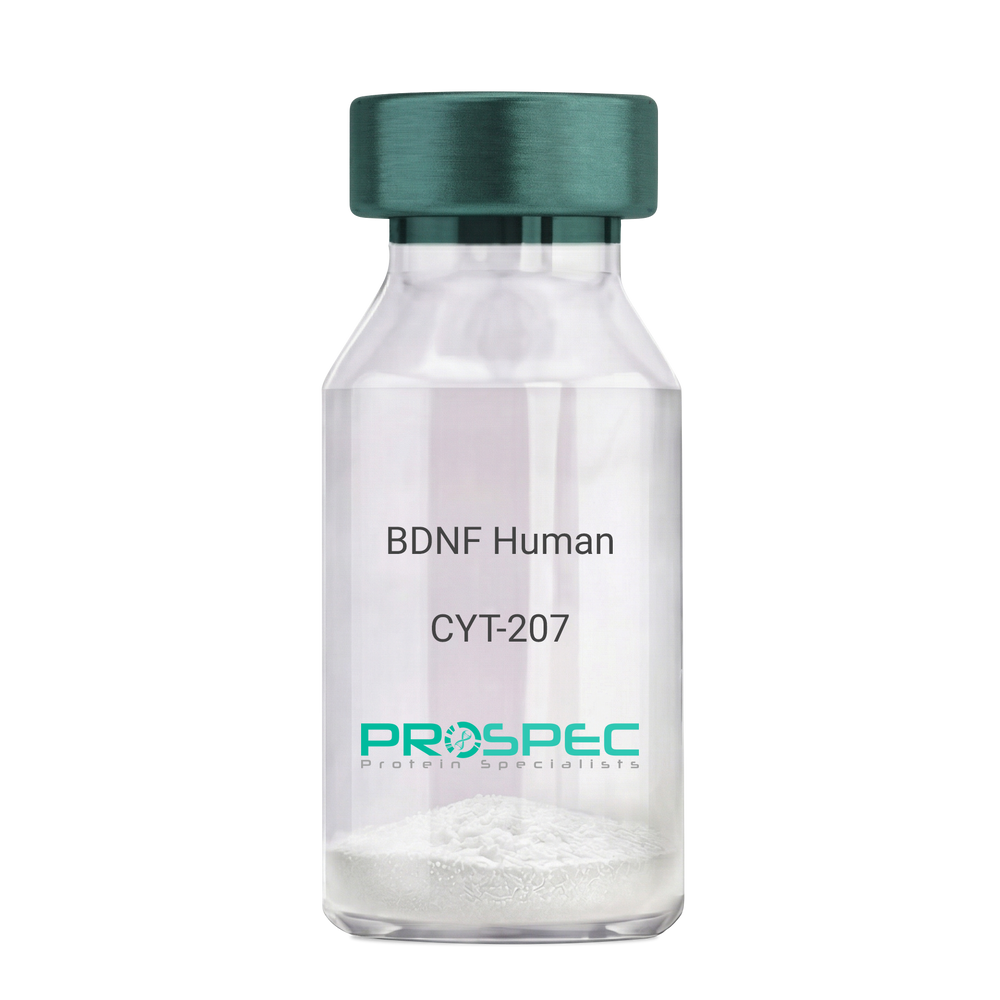
  • View Data Sheet

    Name :

    BDNF Human

    Description:

    Brain-Derived Neurotrophic Factor Human Recombinant

    Brain-Derived Neurotrophic Factor, BDNF, MGC34632.

    Product # :

    CYT-207

    Price :

    Quantity :

    Shipping Method :

    Room Temp Icon

    Shipped at Room temp

    Add To Cart

    More Info

    • description
    • source
    • formulation
    • purity
    • biological activity
    • More Info
    • Activity
    • Citations

    Description

    BDNF Human Recombinant produced in E.Coli is a homodimer, non-glycosylated, polypeptide chain containing 2 x 119 amino acids (and an N-terminal Met) and having a total molecular mass of 28kDa. BDNF Human Recombinant is purified by proprietary chromatographic techniques.

    Source

    Escherichia Coli.

    Formulation

    The protein was lyophilized with 20mM PB and 400mM NaCl, pH 7.2.

    Purity

    BDNF is greater than 950% as determined SDS-PAGE.

    Biological Activity

    The activity was determined using Immobilized Human TrkB-His tag protein 2ug/ml (100 μl/well) for its binding to NHS-Biotin BDNF. The ED50 of was found to be ≤20ng/mL

    Activity

    bdnf activity - Product image 1

    Citations

    More Info

    • Introduction

      BDNF promotes the survival of neuronal populations that are all located either in the central nervous system or directly connected to it. BDNF is a major regulator of synaptic transmission and plasticity at adult synapses in many regions of the cns. The versatility of BDNF is emphasized by its contribution to a range of adaptive neuronal responses including long-term potentiation (ltp), long-term depression (ltd), certain forms of short-term synaptic plasticity, as well as homeostatic regulation of intrinsic neuronal excitability.

    • Synonyms

      Brain-Derived Neurotrophic Factor, BDNF, MGC34632.

    • Physical Appearance

      Sterile Filtered White lyophilized (freeze-dried) powder.

    • Stability

      Lyophilized BDNF although stable at room temperature for 3 weeks, should be stored desiccated below -18°C. Upon reconstitution BDNF should be stored at 4°C between 2-7 days and for future use below -18°C.For long term storage it is recommended to add a carrier protein (0.1% HSA or BSA).Please prevent freeze-thaw cycles.

    • Solubility

      It is recommended to reconstitute the lyophilized BDNF in sterile 18M-cm H2O not less than 100µg/ml, which can then be further diluted to other aqueous solutions.

    • Amino Acid Sequence

      HSDPARRGE LSVCDSISEW VTAADKKTAV DMSGGTVTVL EKVPVSKGQL KQYFYETKCN PMGYTKEGCR GIDKRHWNSQ CRTTQSYVRA LTMDSKKRIG WRFIRIDTSC VCTLTIKRGR.

    • Background

      Final Thoughts

      Although more research is needed on the safety and effectiveness of BDNF human recombinant, trials suggest that this laboratory-produced protein may be effective in managing and treating several neurological and psychiatric disorders. It's important for experts to stay up to date on the latest developments and research to learn more about potential risks and benefits.

      What is the molecular weight/Mw of BDNF Protein?
      BDNF Protein has a total Mw of 27kDa.

      What is the source or expression system of BDNF Protein?
      Escherichia Coli.

      What is the Purity of BDNF Protein?
      BDNF Protein is >97% pure as determined by SDS-PAGE.

      What is the Biological Activity of BDNF Protein?
      The ED50, as determined by the dose-dependent induction of C6 cells proliferation, is 1.3-2µg/ml.

      What is the amino acid sequence of BDNF Protein?
      MHSDPARRGE LSVCDSISEW VTAADKKTAV DMSGGTVTVL EKVPVSKGQL KQYFYETKCN PMGYTKEGCR GIDKRHWNSQ CRTTQSYVRA LTMDSKKRIG WRFIRIDTSC VCTLTIKRGR.

      What applications can BDNF Protein be used in?
      BDNF Protein can probably be used in western blot, ELISA and Lateral Flow.

      What is the endotoxin level for BDNF Protein?
      The endotoxin level is minimal, BDNF Protein was purified using conventional chromatography techniques.

    • Protein content

      BDNF quantitation was carried out by two independent methods:1. UV spectroscopy at 280 nm using the absorbency value of 1.6 as the extinction coefficient for a 0.1% (1mg/ml) solution. This value is calculated by the PC GENE computer analysis program of protein sequences (IntelliGenetics). 2. Analysis by RP-HPLC, using a standard solution of Brain-derived Neurotrophic Factor as a Reference Standard.

    ProSpec's products are furnished for LABORATORY RESEARCH USE ONLY. The product may not be used as drugs, agricultural or pesticidal products, food additives or household chemicals.

    Bdnf Human
  • View Data Sheet

    Name :

    Dnak SBD C-terminus E.Coli

    Description:

    Dnak Substrate Binding Domain C-terminal E.Coli Recombinant

    HSP-70, HSP70, DnaK, Chaperone protein dnaK, Heat shock protein 70, Heat shock 70 kDa protein, groP, grpF, seg, b0014, JW0013.

    Product # :

    HSP-009

    Price :

    Quantity :

    Shipping Method :

    Ice Icon

    Shipped with Ice Packs

    Add To Cart

    More Info

    • description
    • source
    • formulation
    • purity
    • More Info
    • Citations

    Description

    Recombinant Dnak Substrate Binding Domain C-terminal produced in E.Coli is a single, non-glycosylated polypeptide chain containing 255 amino acids and having a molecular mass of 27.7 kDa.

    Source

    Escherichia Coli.

    Formulation

    The DnaK protein contains 25mM Tris-HCl, pH7.5, 100mM NaCl, 5mM DTT and 10% Glycerol.

    Purity

    Greater than 95.0% as determined by SDS-PAGE.

    Citations

    More Info

    • Introduction

      DnaK, originally identified for its DNA replication by bacteriophage l in E. coli is the bacterial hsp70 chaperone. This protein is involved in the folding and assembly of newly synthesized polypeptide chains and in preventing the aggregation of stress-denatured proteins.The protein coding region of the substrate binding domain of DnaK (amino acids 385-638) was amplified by PCR and cloned into an E. coli expression vector. The substrate binding domain of DNAK was purified to apparent homogeneity by using conventional column chromatography techniques. Additional amino acid (Met) is attached at N- terminus.

    • Synonyms

      HSP-70, HSP70, DnaK, Chaperone protein dnaK, Heat shock protein 70, Heat shock 70 kDa protein, groP, grpF, seg, b0014, JW0013.

    • Physical Appearance

      Sterile filtered colorless solution.

    • Stability

      Store at 4°C if entire vial will be used within 2-4 weeks. Store, frozen at -20°C for longer periods of time. For long term storage it is recommended to add a carrier protein (0.1% HSA or BSA).Avoid multiple freeze-thaw cycles.

    • Amino Acid Sequence

      MDVKDVLLLD VTPLSLGIET MGGVMTTLIA KNTTIPTKHS QVFSTAEDNQ SAVTIHVLQGERKRAADNKS LGQFNLDGIN PAPRGMPQIE VTFDIDADGI LHVSAKDKNS GKEQKITIKA SSGLNEDEIQ KMVRDAEANA EADRKFEELV QTRNQGDHLL HSTRKQVEEA GDKLPADDKTAIESALTALE TALKGEDKAA IEAKMQELAQ VSQKLMEIAQ QQHAQQQTAG ADASANNAKD DDVVDAEFEE VKDKK.

    ProSpec's products are furnished for LABORATORY RESEARCH USE ONLY. The product may not be used as drugs, agricultural or pesticidal products, food additives or household chemicals.

    Dnak Sbd C Terminal
  • View Data Sheet

    Name :

    CAPNS1 Human

    Description:

    Calpain, Small Subunit 1 Human Recombinant

    Calpain Small Subunit 1, CAPN4, Calcium-Activated Neutral Proteinase Small Subunit, Calcium-Dependent Protease Small Subunit 1, Calpain Regulatory Subunit, CANP Small Subunit, CDPS, CSS1, Calcium-Dependent Protease Small Subunit, Calcium-Dependent Protease Small Subunit, Calpain 4 Small Subunit (30K), Calpain Small Polypeptide, Calpain Small Subunit 1, CALPAIN4, CANPS, CAPNS, CANP, CAPNS1.

    Product # :

    PRO-1965

    Price :

    Quantity :

    Shipping Method :

    Ice Icon

    Shipped with Ice Packs

    Add To Cart

    More Info

    • description
    • source
    • formulation
    • purity
    • More Info
    • Citations

    Description

    CAPNS1 Human Recombinant produced in E.coli is a single, non-glycosylated polypeptide chain containing 208 amino acids (84-268) and having a molecular mass of 23.8 kDa.CAPNS1 is fused to a 23 amino acid His-tag at N-terminus & purified by proprietary chromatographic techniques.

    Source

    Escherichia Coli.

    Formulation

    The CAPNS1 solution (0.5mg/ml) contains 20mM Tris-HCl buffer (pH 8.0), 0.15M NaCl, 20% glycerol and 1mM DTT.

    Purity

    Greater than 95.0% as determined by SDS-PAGE.

    Citations

    More Info

    • Introduction

      Calpain, Small Subunit 1 (CAPNS1) belongs to the calpain small subunit family. Calpains are a ubiquitous, well-conserved family of calcium-dependent, cysteine proteases, widely distributed in mammalian cells. Calpain families are implicated in neurodegenerative processes, considering that their activation can be triggered by calcium influx and oxidative stress. Calpains function as heterodimers, comprising a specific large catalytic subunit (calpain 1 subunit in Calpain I, and calpain 2 subunit in Calpain II), and a common small regulatory subunit encoded by the CAPNS1 gene. The CAPNS1 protein is vital for the stability and function of both calpain heterodimers, whose proteolytic activities influence numerous cellular functions including apoptosis, proliferation, migration, adhesion, and autophagy.

    • Synonyms

      Calpain Small Subunit 1, CAPN4, Calcium-Activated Neutral Proteinase Small Subunit, Calcium-Dependent Protease Small Subunit 1, Calpain Regulatory Subunit, CANP Small Subunit, CDPS, CSS1, Calcium-Dependent Protease Small Subunit, Calcium-Dependent Protease Small Subunit, Calpain 4 Small Subunit (30K), Calpain Small Polypeptide, Calpain Small Subunit 1, CALPAIN4, CANPS, CAPNS, CANP, CAPNS1.

    • Physical Appearance

      Sterile Filtered colorless solution.

    • Stability

      Store at 4°C if entire vial will be used within 2-4 weeks. Store, frozen at -20°C for longer periods of time. For long term storage it is recommended to add a carrier protein (0.1% HSA or BSA).Avoid multiple freeze-thaw cycles.

    • Amino Acid Sequence

      MGSSHHHHHH SSGLVPRGSH MGSRTHYSNI EANESEEVRQ FRRLFAQLAG DDMEVSATEL MNILNKVVTR HPDLKTDGFG IDTCRSMVAV MDSDTTGKLG FEEFKYLWNN IKRWQAIYKQ FDTDRSGTIC SSELPGAFEA AGFHLNEHLY NMIIRRYSDE SGNMDFDNFI SCLVRLDAMF RAFKSLDKDG TGQIQVNIQE WLQLTMYS.

    ProSpec's products are furnished for LABORATORY RESEARCH USE ONLY. The product may not be used as drugs, agricultural or pesticidal products, food additives or household chemicals.

    Capns1 Human
  • View Data Sheet

    Name :

    FABP3 Human, Native

    Description:

    Fatty Acid Binding Protein-3 Human, Native

    Fatty acid-binding protein heart, H-FABP, Heart-type fatty acid-binding protein, Muscle fatty acid-binding protein, M-FABP, Mammary-derived growth inhibitor, MDGI, FABP3, FABP11, O-FABP.

    Product # :

    PRO-2794

    Price :

    Quantity :

    Shipping Method :

    Room Temp Icon

    Shipped at Room temp

    Add To Cart

    More Info

    • description
    • source
    • formulation
    • purity
    • More Info
    • Citations

    Description

    FABP3 Human produced in Human cardiac muscle tissue having a molecular mass of 15kDa and is purified by proprietary chromatographic technique.

    Source

    Human heart tissue.

    Formulation

    FABP3 was lyophilized from 10mM Tris-HCl, pH 8.0.

    Purity

    Greater than 95.0% as determined by SDS-PAGE.

    Citations

    More Info

    • Synonyms

      Fatty acid-binding protein heart, H-FABP, Heart-type fatty acid-binding protein, Muscle fatty acid-binding protein, M-FABP, Mammary-derived growth inhibitor, MDGI, FABP3, FABP11, O-FABP.

    • Physical Appearance

      Sterile Filtered White lyophilized (freeze-dried) powder.

    • Stability

      Lyophilized Fatty Acid Binding Protein-3 although stable at room temperature for 3 weeks, should be stored desiccated below -18°C. Upon reconstitution FABP3 should be stored at 4°C between 2-7 days and for future use below -18°C. For long term storage it is recommended to add a carrier protein (0.1% HSA or BSA). Please prevent freeze-thaw cycles.

    • Solubility

      It is recommended to reconstitute the lyophilized FABP3 in sterile 18MΩ-cm H2O not less than 100µg/ml, which can then be further diluted to other aqueous solutions.

    • Background

      FABP3 is abundantly expressed in cardiac and skeletal muscle tissues, where it serves as a crucial mediator in the cellular handling of fatty acids. By facilitating the uptake, transport, and utilization of fatty acids, FABP3 ensures a steady supply of energy, making it indispensable for the high-energy-demanding heart and skeletal muscles. Beyond its role in energy metabolism, FABP3 has been implicated in diverse cellular processes, including inflammation, oxidative stress response, and cellular differentiation.

      Molecular Insights:

      At the molecular level, FABP3 exhibits a remarkable affinity for long-chain fatty acids. Its unique binding properties enable it to shuttle fatty acids to specific cellular compartments, such as mitochondria, for β-oxidation. Additionally, FABP3 is intricately involved in the regulation of gene expression, modulating the activity of various transcription factors and signaling pathways. Understanding these molecular intricacies is key to deciphering FABP3's diverse functions.

      Physiological Significance:

      In cardiac muscle, FABP3 plays a crucial role in myocardial energy metabolism. During periods of increased energy demand, such as cardiac stress or exercise, FABP3 ensures a rapid supply of fatty acids for ATP production. Its absence or dysfunction has been associated with impaired cardiac function and increased susceptibility to ischemic injury. In skeletal muscles, FABP3 contributes to the utilization of fatty acids as an energy source during sustained physical activity.

      Implications in Disease:

      Research indicates that alterations in FABP3 expression and function are linked to several pathological conditions. In cardiovascular diseases, FABP3 has emerged as a potential biomarker for myocardial infarction, reflecting myocardial damage. Moreover, studies have highlighted its involvement in insulin resistance, diabetes, and metabolic syndrome, emphasizing its significance in metabolic disorders.

      Therapeutic Prospects:

      The unique properties of FABP3 have garnered attention in drug development. Researchers are exploring FABP3-targeted therapies for cardiovascular diseases and metabolic disorders. Modulating FABP3 activity presents a promising avenue for managing conditions characterized by dysregulated fatty acid metabolism and oxidative stress.

      Conclusion:

      FABP3, the unassuming intracellular fatty acid chaperone, plays a central role in human physiology and disease. Its intricate involvement in energy metabolism, cellular signaling, and disease pathogenesis underscores its significance as a research subject. As our understanding of FABP3 deepens, it opens doors to innovative diagnostic approaches and therapeutic interventions, potentially impacting millions of lives worldwide.

    ProSpec's products are furnished for LABORATORY RESEARCH USE ONLY. The product may not be used as drugs, agricultural or pesticidal products, food additives or household chemicals.

    Fabp 3 Human
  • View Data Sheet

    Name :

    CEA Protein

    Description:

    Carcinoembryonic Antigen Human

    CEACAM5, Meconium Antigen 100, Carcinoembryonic Antigen, CD66e Antigen, CD66e, Carcinoembryonic Antigen, CEA, oncofetal antigen.

    Product # :

    PRO-2801

    Price :

    Quantity :

    Shipping Method :

    Ice Icon

    Shipped with Ice Packs

    Add To Cart

    More Info

    • description
    • source
    • formulation
    • purity
    • More Info
    • Citations

    Description

    CEA produced from patient source colon carcinoma liver metastatic tissue can be used as general marker in screening and monitoring malignant disease states.

    Source

    Liver tissue.

    Formulation

    CEA protein solution contains 0.1M PBS, pH 7.4, 0.09 % NaN3 and 2 % methyl-mannoside.

    Purity

    Greater than 95.0% as determined by SDS-PAGE.

    Citations

    More Info

    • Synonyms

      CEACAM5, Meconium Antigen 100, Carcinoembryonic Antigen, CD66e Antigen, CD66e, Carcinoembryonic Antigen, CEA, oncofetal antigen.

    • Physical Appearance

      Sterile Filtered colorless solution.

    • Stability

      Store at 4°C if entire vial will be used within 2-4 weeks. Store, frozen at -20°C for longer periods of time. For long term storage it is recommended to add a carrier protein (0.1% HSA or BSA). Avoid multiple freeze-thaw cycles.

    • Applications

      Blood samples from tissue donors were tested and found to be negative for HBsAg, HIV-1 and HIV-2 antibodies and HCV.

    • Background

      Carcinoembryonic Antigen, commonly known as CEA, is a glycoprotein that was initially identified as a tumor marker. Over the years, research into CEA has unveiled its intricate involvement in various physiological processes, not only in cancer but also in the context of normal development and inflammatory conditions. This research aims to delve into the multifaceted roles of CEA, exploring its structural intricacies, regulatory mechanisms, and its implications in health, disease, and beyond.

      Structural Complexity of CEA:

      CEA, belonging to the immunoglobulin superfamily, is a complex glycoprotein featuring multiple structural domains. Its diverse forms and glycosylation patterns contribute to its functional versatility. CEA is primarily expressed in fetal tissues, but its presence is often detected in adults under pathological conditions, especially in various types of cancer.

      CEA in Cancer Biology:

      CEA was first recognized as a biomarker for colorectal cancer, but its overexpression is not limited to this context. Elevated CEA levels have been associated with several other malignancies, including breast, lung, and pancreatic cancers. CEA’s involvement in cancer biology ranges from promoting angiogenesis and metastasis to inhibiting immune responses, making it a critical player in tumor progression and evasion.

      Beyond Cancer: CEA in Development and Inflammation:

      While CEA’s role in cancer is prominent, recent studies have uncovered its participation in normal physiological processes. During embryonic development, CEA is involved in cell adhesion, contributing to tissue organization and morphogenesis. Additionally, CEA expression can be induced in inflammatory conditions, suggesting its involvement in immune responses and tissue repair mechanisms.

      CEA as a Diagnostic and Therapeutic Target:

      The diverse expression patterns of CEA in various diseases make it a valuable diagnostic tool. CEA assays are widely used for cancer screening, monitoring disease progression, and assessing treatment efficacy. Moreover, CEA’s presence on the surface of cancer cells has made it a target for immunotherapy, enabling the development of targeted therapies aimed at specifically eradicating CEA-positive tumor cells.

    ProSpec's products are furnished for LABORATORY RESEARCH USE ONLY. The product may not be used as drugs, agricultural or pesticidal products, food additives or household chemicals.

    Cea Human
  • View Data Sheet

    Name :

    FKBP2 Human

    Description:

    FK506 Binding Protein 2 Human Recombinant

    FKBP13, FKBP-2, Peptidyl-prolyl cis-trans isomerase FKBP2, PPIase FKBP2, FK506-binding protein 2, Rotamase, Immunophilin FKBP13, 13 kDa FK506-binding protein, 13 kDa FKBP, FKBP-13, FKBP2, PPIase.

    Product # :

    ENZ-503

    Price :

    Quantity :

    Shipping Method :

    Ice Icon

    Shipped with Ice Packs

    Add To Cart

    More Info

    • description
    • source
    • formulation
    • purity
    • biological activity
    • More Info
    • Citations

    Description

    FKBP2 Human Recombinant produced in E.Coli is a single, non-glycosylated, polypeptide chain containing 122 amino acids (22-142 a.a.) and having a molecular mass of 13.4 kDa. The FKBP2 is purified by proprietary chromatographic techniques.

    Source

    Escherichia Coli.

    Formulation

    The FKBP2 solution contains 20mM Tris-HCl pH-8, 1mM DTT, and 10% glycerol.

    Purity

    Greater than 90% as determined by SDS-PAGE.

    Biological Activity

    Specific activity is > 270 nmoles/min/ug, and is defined as the amount of enzyme that cleaves 1umole of suc-AAFP-pNA per minute at 25C in Tris-Hcl pH8.0 using chymotrypsin.

    Citations

    More Info

    • Introduction

      FKBP2 is part of the immunophilin protein family, which takes part in immunoregulation and basic cellular processes involving protein folding and trafficking. FKBP2 is a cis-trans prolyl isomerase that binds the immunosuppressants FK506 and rapamycin. FKBP2 functions as an ER chaperone and as a component of membrane cytoskeletal scaffolds.

    • Synonyms

      FKBP13, FKBP-2, Peptidyl-prolyl cis-trans isomerase FKBP2, PPIase FKBP2, FK506-binding protein 2, Rotamase, Immunophilin FKBP13, 13 kDa FK506-binding protein, 13 kDa FKBP, FKBP-13, FKBP2, PPIase.

    • Physical Appearance

      Sterile Filtered clear colorless solution.

    • Stability

      Store at 4°C if entire vial will be used within 2-4 weeks. Store, frozen at -20°C for longer periods of time.For long term storage it is recommended to add a carrier protein (0.1% HSA or BSA).Avoid multiple freeze-thaw cycles.

    • Amino Acid Sequence

      MATGAEGKRK LQIGVKKRVD HCPIKSRKGD VLHMHYTGKL EDGTEFDSSL PQNQPFVFSL GTGQVIKGWD QGLLGMCEGE KRKLVIPSEL GYGERGAPPK IPGGATLVFE VELLKIERRT EL.

    ProSpec's products are furnished for LABORATORY RESEARCH USE ONLY. The product may not be used as drugs, agricultural or pesticidal products, food additives or household chemicals.

    Fkbp2 Human
  • View Data Sheet

    Name :

    CPPED1 Human

    Description:

    Calcineurin-Like Phosphoesterase Domain Containing 1 Human Recombinant

    CSTP1, Calcineurin-like phosphoesterase domain-containing protein 1, Complete S-transactivated protein 1, CPPED1.

    Product # :

    PRO-1500

    Price :

    Quantity :

    Shipping Method :

    Ice Icon

    Shipped with Ice Packs

    Add To Cart

    More Info

    • description
    • source
    • formulation
    • purity
    • More Info
    • Citations

    Description

    CPPED1 Human Recombinant produced in E. coli is a single polypeptide chain containing 337 amino acids (1-314) and having a molecular mass of 37.9kDa. CPPED1 is fused to a 23 amino acid His-tag at N-terminus & purified by proprietary chromatographic techniques.

    Source

    Escherichia Coli.

    Formulation

    The CPPED1 solution (0.5mg/ml) contains 20mM Tris-HCl buffer (pH 8.0), 0.15M NaCl and 20% glycerol.

    Purity

    Greater than 85% as determined by SDS-PAGE.

    Citations

    More Info

    • Introduction

      CPPED1 which is a part of the metallophosphoesterase superfamily takes part in glucose uptake by adipocytes. CPPED1 binds two divalent metal cations and is transactivated by the great envelope protein of the hepatitis B virus.

    • Synonyms

      CSTP1, Calcineurin-like phosphoesterase domain-containing protein 1, Complete S-transactivated protein 1, CPPED1.

    • Physical Appearance

      Sterile Filtered clear solution.

    • Stability

      Store at 4°C if entire vial will be used within 2-4 weeks. Store, frozen at -20°C for longer periods of time. For long term storage it is recommended to add a carrier protein (0.1% HSA or BSA).Avoid multiple freeze-thaw cycles.

    • Amino Acid Sequence

      MGSSHHHHHH SSGLVPRGSH MGSMSAAEAG GVFHRARGRT LAAFPAEKES EWKGPFYFIL GADPQFGLIK AWSTGDCDNG GDEWEQEIRL TEQAVQAINK LNPKPKFFVL CGDLIHAMPG KPWRTEQTED LKRVLRAVDR AIPLVLVSGN HDIGNTPTAE TVEEFCRTWG DDYFSFWVGG VLFLVLNSQF YENPSKCPSL KQAQDQWLDE QLSIARQRHC QHAIVFQHIP LFLESIDEDD DYYFNLSKST RKKLADKFIH AGVKVVFSGH YHRNAGGTYQ NLDMVVSSAI GCQLGRDPHG LRVVVVTAEK IVHRYYSLDE LSEKGIEDDL MDLIKKK.

    ProSpec's products are furnished for LABORATORY RESEARCH USE ONLY. The product may not be used as drugs, agricultural or pesticidal products, food additives or household chemicals.

    Cpped1 Human
  • View Data Sheet

    Name :

    QKI Human

    Description:

    QKI Human Recombinant

    Hqk, hqkI, QK, QK1, QK3, Protein quaking, Quaking Homolog, KH Domain RNA Binding, RNA Binding Protein HQK, HKQ, KH Domain Containing, RNA Binding.

    Product # :

    PRO-816

    Price :

    Quantity :

    Shipping Method :

    Ice Icon

    Shipped with Ice Packs

    Add To Cart

    More Info

    • description
    • source
    • formulation
    • purity
    • More Info
    • Citations

    Description

    QKI Human Recombinant produced in E.Coli is a single, non-glycosylated polypeptide chain containing 364 amino acids (1-341 a.a) and having a molecular mass of 40.1kDa.QKI is fused to a 23 amino acid His-tag at N-terminus & purified by proprietary chromatographic techniques.

    Source

    Escherichia Coli.

    Formulation

    QKI protein solution (0.25mg/ml) containing 20mM Tris-HCl buffer (pH 8.0), 0.2M NaCl, 50% glycerol, 2mM DTT.

    Purity

    Greater than 85.0% as determined by SDS-PAGE.

    Citations

    More Info

    • Introduction

      KH Domain RNA Binding also known as QKI is a RNA-binding protein which regulates pre-mRNA splicing, export of mRNAs from the nucleus, protein translation, and mRNA stability. QKI is involved inmyelinization and oligodendrocyte differentiation, and it may play a role in schizophrenia. Defects or deletions in the QKI are linked with astrocytic tumors and may be implicated in the pathogenesis of schizophrenia. Among the diseases associated with QKI are 6q terminal deletion syndrome, and schizophrenia.

    • Synonyms

      Hqk, hqkI, QK, QK1, QK3, Protein quaking, Quaking Homolog, KH Domain RNA Binding, RNA Binding Protein HQK, HKQ, KH Domain Containing, RNA Binding.

    • Physical Appearance

      Sterile Filtered clear solution.

    • Stability

      Store at 4°C if entire vial will be used within 2-4 weeks. Store, frozen at -20°C for longer periods of time. For long term storage it is recommended to add a carrier protein (0.1% HSA or BSA).Avoid multiple freeze-thaw cycles.

    • Amino Acid Sequence

      MGSSHHHHHH SSGLVPRGSH MGSMVGEMET KEKPKPTPDY LMQLMNDKKL MSSLPNFCGI FNHLERLLDE EISRVRKDMY NDTLNGSTEK RSAELPDAVG PIVQLQEKLY VPVKEYPDFN FVGRILGPRG LTAKQLEAET GCKIMVRGKG SMRDKKKEEQ NRGKPNWEHL NEDLHVLITV EDAQNRAEIK LKRAVEEVKK LLVPAAEGED SLKKMQLMEL AILNGTYRDA NIKSPALAFS LAATAQAAPR IITGPAPVLP PAALRTPTPA GPTIMPLIRQ IQTAVMPNGT PHPTAAIVPP GPEAGLIYTP YEYPYTLAPA TSILEYPIEP SGVLGAVATK VRRHDMRVHP YQRIVTADRA ATGN.

    ProSpec's products are furnished for LABORATORY RESEARCH USE ONLY. The product may not be used as drugs, agricultural or pesticidal products, food additives or household chemicals.

    Qki Human
  • View Data Sheet

    Name :

    PEBP1 Mouse

    Description:

    Phosphatidylethanolamine Binding Protein 1 Mouse Recombinant

    Phosphatidylethanolamine-binding protein 1, PEBP-1, HCNPpp.

    Product # :

    PRO-2230

    Price :

    Quantity :

    Shipping Method :

    Ice Icon

    Shipped with Ice Packs

    Add To Cart

    More Info

    • description
    • source
    • formulation
    • purity
    • More Info
    • Citations

    Description

    PEBP1 Mouse Recombinant produced in E.Coli is a single, non-glycosylated polypeptide chain containing 210 amino acids (1-187 a.a) and having a molecular mass of 23.2kDa. PEBP1 is fused to a 23 amino acid His-tag at N-terminus & purified by proprietary chromatographic techniques.

    Source

    Escherichia Coli.

    Formulation

    PEBP1 protein solution (1mg/ml) containing Phosphate Buffered Saline (pH7.4) and 10% glycerol.

    Purity

    Greater than 95.0% as determined by SDS-PAGE.

    Citations

    More Info

    • Introduction

      PEBP1 (Phosphatidylethanolamine binding protein 1) belongs to the phosphatidylethanolamine-binding protein family and a serine protease inhibitor that inhibits thrombin, neuropsin. PEBP1 plays a key modulatory part in several protein kinase signaling cascades. PKC phosphorylates PEBP1, resulting in the release of Raf-1 and activation of MEK and ERK. PEBP1 is expressed in many tissues and implicated in the regulation of such physiological processes as membrane biosynthesis, spermatogenesis, neural development, and metastasis suppression.
      PEBP1 binds ATP, opioids and phosphatidylethanolamine, however it has lower affinity for phosphatidylinositol and phosphatidylcholine. PEBP1 may also be involved in the function of the presynaptic cholinergic neurons of the CNS. PEBP1 increases the production of choline acetyltransferase although not acetylcholinesterase. Furtheremore, PEBP1 functions in potentially sequestering toxic compounds, including locostatin which may have harmful effects on cells.
      Loss of PEBP1 expression may have a significant role as prognostic marker in Gastrointestinal stromal tumors. In addition, PEBP1 is found differentially expressed in the Wernicke's Area from schizophrenia patients. PEBP1 is also, an invasion suppressor protein in nasopharyngeal carcinoma.

    • Synonyms

      Phosphatidylethanolamine-binding protein 1, PEBP-1, HCNPpp.

    • Physical Appearance

      Sterile Filtered colorless solution.

    • Stability

      Store at 4°C if entire vial will be used within 2-4 weeks. Store, frozen at -20°C for longer periods of time. For long term storage it is recommended to add a carrier protein (0.1% HSA or BSA).Avoid multiple freeze-thaw cycles.

    • Amino Acid Sequence

      MGSSHHHHHH SSGLVPRGSH MGSMAADISQ WAGPLCLQEV DEPPQHALRV DYAGVTVDEL GKVLTPTQVM NRPSSISWDG LDPGKLYTLV LTDPDAPSRK DPKFREWHHF LVVNMKGNDI SSGTVLSDYV GSGPPSGTGL HRYVWLVYEQ EQPLSCDEPI LSNKSGDNRG KFKVETFRKK YNLGAPVAGT CYQAEWDDYV PKLYEQLSGK.

    ProSpec's products are furnished for LABORATORY RESEARCH USE ONLY. The product may not be used as drugs, agricultural or pesticidal products, food additives or household chemicals.

    Pebp1 Mouse
  • View Data Sheet

    Name :

    CHAC2 Human

    Description:

    ChaC Cation Transport Regulator Homolog 2 Human Recombinant

    ChaC Cation Transport Regulator Homolog 2 (E. Coli), ChaC Cation Transport Regulator-Like 2 (E. Coli), Gamma-GCT Acting On Glutathione Homolog 2.

    Product # :

    PRO-1835

    Price :

    Quantity :

    Shipping Method :

    Ice Icon

    Shipped with Ice Packs

    Add To Cart

    More Info

    • description
    • source
    • formulation
    • purity
    • More Info
    • Citations

    Description

    CHAC2 Human Recombinant produced in E.coli is a single, non-glycosylated polypeptide chain containing 207 amino acids (1-184) and having a molecular mass of 23.3 kDa. CHAC2 is fused to a 23 amino acid His-tag at N-terminus.

    Source

    Escherichia Coli.

    Formulation

    The CHAC2 solution (0.5mg/ml) contains 20mM Tris-HCl buffer (pH 8.0), 1mM DTT, 100mM NaCl and 10% glycerol.

    Purity

    Greater than 90% as determined by SDS-PAGE.

    Citations

    More Info

    • Introduction

      Cation transport regulator-like protein 2 (CHAC2) is a member of the chaC family. Catalyzes the cleavage glutathione into 5-oxoproline and a Cys-Gly dipeptide. Acts specifically on glutathione, but not on other gamma-glutamyl peptides.

    • Synonyms

      ChaC Cation Transport Regulator Homolog 2 (E. Coli), ChaC Cation Transport Regulator-Like 2 (E. Coli), Gamma-GCT Acting On Glutathione Homolog 2.

    • Physical Appearance

      Sterile Filtered clear solution.

    • Stability

      Store at 4°C if entire vial will be used within 2-4 weeks. Store, frozen at -20°C for longer periods of time. For long term storage it is recommended to add a carrier protein (0.1% HSA or BSA).Avoid multiple freeze-thaw cycles.

    • Amino Acid Sequence

      MGSSHHHHHH SSGLVPRGSH MGSMWVFGYG SLIWKVDFPY QDKLVGYITN YSRRFWQGST DHRGVPGKPG RVVTLVEDPA GCVWGVAYRL PVGKEEEVKA YLDFREKGGY RTTTVIFYPK DPTTKPFSVL LYIGTCDNPD YLGPAPLEDI AEQIFNAAGP SGRNTEYLFE LANSIRNLVP EEADEHLFAL EKLVKERLEG KQNLNCI

    ProSpec's products are furnished for LABORATORY RESEARCH USE ONLY. The product may not be used as drugs, agricultural or pesticidal products, food additives or household chemicals.

    Chac2 Human
  • View Data Sheet

    Name :

    CRYM Human

    Description:

    Crystallin, Mu Human Recombinant

    Crystallin Mu, Thiomorpholine-Carboxylate Dehydrogenase, THBP, NADP-Regulated Thyroid-Hormone Binding Protein, NADP-Regulated Thyroid-Hormone-Binding Protein, Mu-Crystallin Homolog, EC 1.5.1.25, DFNA40, CRYM.

    Product # :

    PRO-2291

    Price :

    Quantity :

    Shipping Method :

    Ice Icon

    Shipped with Ice Packs

    Add To Cart

    More Info

    • description
    • source
    • formulation
    • purity
    • More Info
    • Citations

    Description

    CRYM Human Recombinant produced in E.Coli is a single, non-glycosylated, polypeptide chain containing 334 amino acids (1-314) and having a molecular mass of 35.9kDa. CRYM is fused to 20 a.a. His-Tag at N-terminus and purified by proprietary chromatographic techniques.

    Source

    Escherichia Coli.

    Formulation

    The CYRM 1mg/ml solution containing 20mM Tris-HCl buffer (pH8.0), 1mM DTT, and 10% glycerol.

    Purity

    Greater than 95.0% as determined by SDS-PAGE.

    Citations

    More Info

    • Introduction

      Crystallin, Mu (CRYM) is a taxon-specific crystallin protein which binds NADPH and has sequence similarity to bacterial ornithine cyclodeaminases. CRYM doesn’t perform a structural role in lens tissue; instead CRYM binds thyroid hormone for possible regulatory or developmental roles. CRYM gene mutations are linked with autosomal dominant non-syndromic deafness. CRYM specifically catalyzes the reduction of imine bonds in brain substrates which may include cystathionine ketamine and lanthionine ketamine.

    • Synonyms

      Crystallin Mu, Thiomorpholine-Carboxylate Dehydrogenase, THBP, NADP-Regulated Thyroid-Hormone Binding Protein, NADP-Regulated Thyroid-Hormone-Binding Protein, Mu-Crystallin Homolog, EC 1.5.1.25, DFNA40, CRYM.

    • Physical Appearance

      Sterile filtered colorless solution.

    • Stability

      CRYM although stable at 4°C for 1 week, should be stored below -18°C. For long term storage it is recommended to add a carrier protein (0.1% HSA or BSA).Please prevent freeze thaw cycles.

    • Amino Acid Sequence

      MGSSHHHHHH SSGLVPRGSH MSRVPAFLSA AEVEEHLRSS SLLIPPLETA LANFSSGPEG GVMQPVRTVV PVTKHRGYLG VMPAYSAAED ALTTKLVTFY EDRGITSVVP SHQATVLLFE PSNGTLLAVM DGNVITAKRT AAVSAIATKF LKPPSSEVLC ILGAGVQAYS HYEIFTEQFS FKEVRIWNRT KENAEKFADT VQGEVRVCSS VQEAVAGADV IITVTLATEP ILFGEWVKPG AHINAVGASR PDWRELDDEL MKEAVLYVDS QEAALKESGD VLLSGAEIFA ELGEVIKGVK PAHCEKTTVF KSLGMAVEDT VAAKLIYDSW SSGK

    ProSpec's products are furnished for LABORATORY RESEARCH USE ONLY. The product may not be used as drugs, agricultural or pesticidal products, food additives or household chemicals.

    Crym Human
  • View Data Sheet

    Name :

    ITGB3BP Human

    Description:

    Integrin Beta 3 Binding Protein Human Recombinant

    CENP-R, CENPR, HSU37139, NRIF3, TAP20, Centromere protein R, Beta-3-endonexin, Integrin beta-3-binding protein, Nuclear receptor-interacting factor 3, ITGB3BP.

    Product # :

    PRO-1435

    Price :

    Quantity :

    Shipping Method :

    Ice Icon

    Shipped with Ice Packs

    Add To Cart

    More Info

    • description
    • source
    • formulation
    • purity
    • More Info
    • Citations

    Description

    ITGB3BP Human Recombinant produced in E. coli is a single polypeptide chain containing 239 amino acids (1-216) and having a molecular mass of 27.1kDa. ITGB3BP is fused to a 23 amino acid His-tag at N-terminus & purified by proprietary chromatographic techniques.

    Source

    E.coli.

    Formulation

    The ITGB3BP solution (0.5mg/ml) contains 20mM Tris-HCl buffer (pH 8.0), 0.4M Urea and 10% glycerol.

    Purity

    Greater than 90% as determined by SDS-PAGE.

    Citations

    More Info

    • Introduction

      Integrin Beta 3 Binding Protein (ITGB3BP1) is a broadly expressed protein which contains a DD1 or RepD1 domain and an LXXLL motif. ITGB3BP1 functions as a nuclear receptor coactivator while induced by estrogen. ITGB3BP1 is also relates with the CENP-A-CAD complex that is engaged in mitotic progression, the assembly of kinetochore proteins and chromosome segregation. ITGB3BP1 behave s as a transcriptional corepressor via its interaction with the NFKB1 NF-kappa-B subunit by interfering with the transactivation domain of NFKB1.

    • Synonyms

      CENP-R, CENPR, HSU37139, NRIF3, TAP20, Centromere protein R, Beta-3-endonexin, Integrin beta-3-binding protein, Nuclear receptor-interacting factor 3, ITGB3BP.

    • Physical Appearance

      Sterile Filtered colorless solution.

    • Stability

      Store at 4°C if entire vial will be used within 2-4 weeks. Store, frozen at -20°C for longer periods of time. For long term storage it is recommended to add a carrier protein (0.1% HSA or BSA).Avoid multiple freeze-thaw cycles.

    • Amino Acid Sequence

      MGSSHHHHHH SSGLVPRGSH MGSMPFAPVA QARVQWHDFR SLQHLLPAFK RFSCLSLGSS WDYSVKRSLK LDGLLEENSF DPSKITRKKS VITYSPTTGT CQMSLFASPT SSEEQKHRNG LSNEKRKKLN HPSLTESKES TTKDNDEFMM LLSKVEKLSE EIMEIMQNLS SIQALEGSRE LENLIGISCA SHFLKREMQK TKELMTKVNK QKLFEKSTGL PHKASRHLDS YEFLKAILN.

    ProSpec's products are furnished for LABORATORY RESEARCH USE ONLY. The product may not be used as drugs, agricultural or pesticidal products, food additives or household chemicals.

    Itgb3Bp Human
  • View Data Sheet

    Name :

    FABP9 Human

    Description:

    Fatty Acid Binding Protein-9 Human Recombinant

    Fatty acid-binding protein 9, Testis lipid-binding protein, TLBP, Testis-type fatty acid-binding protein, T-FABP, FABP9, PERF, PERF15.

    Product # :

    PRO-1088

    Price :

    Quantity :

    Shipping Method :

    Ice Icon

    Shipped with Ice Packs

    Add To Cart

    More Info

    • description
    • source
    • formulation
    • purity
    • More Info
    • Citations

    Description

    FABP9 Human Recombinant produced in E.Coli is a single, non-glycosylated polypeptide chain containing 156 amino acids (1-132 a.a) and having a molecular mass of 17.6kDa.FABP9 is fused to a 24 amino acid His-tag at N-terminus & purified by proprietary chromatographic techniques.

    Source

    Escherichia Coli.

    Formulation

    FABP9 protein solution (1mg/ml) containing 20mM Tris-HCl buffer (pH 8.0), 0.1M NaCl and 10% glycerol.

    Purity

    Greater than 95.0% as determined by SDS-PAGE.

    Citations

    More Info

    • Introduction

      Fatty acid binding protein 9 (FABP9) belongs to the fatty acid-binding proteins (FABPs) which are a family of small, extremely conserved, cytoplasmic proteins to bind long-chain fatty acids and other hydrophobic ligands. FABP9 is found in midpachytene spermatocytes and round spermatids, and comprises part of the perinuclear theca. FABP9 probably links intracellular membranes and signals abnormal sperm formation during spermatogenesis.

    • Synonyms

      Fatty acid-binding protein 9, Testis lipid-binding protein, TLBP, Testis-type fatty acid-binding protein, T-FABP, FABP9, PERF, PERF15.

    • Physical Appearance

      Sterile Filtered colorless solution.

    • Stability

      Store at 4°C if entire vial will be used within 2-4 weeks. Store, frozen at -20°C for longer periods of time. For long term storage it is recommended to add a carrier protein (0.1% HSA or BSA).Avoid multiple freeze-thaw cycles.

    • Amino Acid Sequence

      MGSSHHHHHH SSGLVPRGSH MGSHMVEPFL GTWKLVSSEN FEDYMKELGV NFAARNMAGL VKPTVTISVD GKMMTIRTES SFQDTKISFK LGEEFDETTA DNRKVKSTIT LENGSMIHVQ KWLGKETTIK RKIVDEKMVV ECKMNNIVST RIYEKV.

    ProSpec's products are furnished for LABORATORY RESEARCH USE ONLY. The product may not be used as drugs, agricultural or pesticidal products, food additives or household chemicals.

    Fabp9 Human
  • View Data Sheet

    Name :

    IGFBP1 Human, HEK

    Description:

    Insulin-Like Growth Factor Binding Protein-1 Human Recombinant, HEK

    IBP-1, IGF-Binding Protein 1, AFBP, PP12, IGF-BP25, hIGFBP-1, IGFBP-1.

    Product # :

    CYT-1214

    Price :

    Quantity :

    Shipping Method :

    Ice Icon

    Shipped with Ice Packs

    Add To Cart

    More Info

    • description
    • source
    • formulation
    • purity
    • biological activity
    • More Info
    • Citations

    Description

    IGFBP1 Human Recombinant is a single, glycosylated, polypeptide chain (26-259 a.a) containing a total of 234 amino acids, having a molecular mass of 25.2 kDa. IGFBP1 is purified by proprietary chromatographic techniques.

    Source

    HEK293 Cells.

    Formulation

    The IGFBP1 solution (0.5mg/ml) contains 10% Glycerol and Phosphate-Buffered Saline (pH 7.4).

    Purity

    Greater than 95.0% as determined by SDS-PAGE.

    Biological Activity

    The ED50 is ≤3 ug/ml, measured by its ability to inhibit proliferation using MCF-7 human breast cancer cells in the presence of Human IGF-1. 

    Citations

    More Info

    • Synonyms

      IBP-1, IGF-Binding Protein 1, AFBP, PP12, IGF-BP25, hIGFBP-1, IGFBP-1.

    • Physical Appearance

      Sterile Filtered colorless solution.

    • Stability

      Store at 4°C if entire vial will be used within 2-4 weeks. Store, frozen at -20°C for longer periods of time. For long term storage it is recommended to add a carrier protein (0.1% HSA or BSA).Avoid multiple freeze-thaw cycles.

    • Amino Acid Sequence

      APWQCAPCSA EKLALCPPVS ASCSEVTRSA GCGCCPMCAL PLGAACGVAT ARCARGLSCR ALPGEQQPLH ALTRGQGACV QESDASAPHA AEAGSPESPE STEITEEELL DNFHLMAPSE EDHSILWDAI STYDGSKALH VTNIKKWKEP CRIELYRVVE SLAKAQETSG EEISKFYLPN CNKNGFYHSR QCETSMDGEA GLCWCVYPWN GKRIPGSPEI RGDPNCQIYF NVQN.

    • Background

      IGFBP-1 (Insulin-like Growth Factor Binding Protein-1) is a vital protein that regulates the actions of insulin-like growth factors (IGFs) in various physiological processes. This research paper aims to investigate the structure, function, and potential therapeutic applications of IGFBP-1, shedding light on its diverse roles in growth regulation and its therapeutic potential.

      IGFBP-1 belongs to the IGFBP family and is primarily synthesized and secreted by the liver. It acts as a carrier protein, binding to IGFs in the bloodstream and modulating their availability and distribution to target tissues. By binding to IGFs, IGFBP-1 regulates IGF signaling pathways, influencing cellular growth, differentiation, and metabolism.

      The structure of IGFBP-1 comprises an N-terminal domain responsible for IGF binding, followed by linker regions and a C-terminal domain involved in protein-protein interactions. Post-translational modifications, including phosphorylation and glycosylation, further regulate the activity and stability of IGFBP-1.

      IGFBP-1 plays a pivotal role in modulating IGF actions in various tissues and physiological contexts. It is involved in fetal development, skeletal growth, and tissue repair. Additionally, IGFBP-1 has been implicated in metabolic regulation, insulin sensitivity, and the pathogenesis of metabolic disorders such as diabetes and obesity.

      Therapeutically, IGFBP-1 holds significant promise. Its ability to modulate IGF activity opens avenues for targeted therapies in conditions associated with dysregulated IGF signaling, including cancer. The dysregulation of the IGF pathway is frequently observed in cancer, making IGFBP-1 an attractive candidate for novel therapeutic approaches. Manipulating IGFBP-1 levels or developing IGFBP-1-derived peptides may offer innovative strategies for inhibiting tumor growth or enhancing the effectiveness of existing cancer therapies.

      The availability of IGFBP-1 human recombinant proteins has greatly facilitated research and development endeavors. Recombinant IGFBP-1 proteins provide invaluable tools for investigating the interactions between IGFBP-1, IGFs, and other regulatory molecules. They enable detailed exploration of the molecular mechanisms underlying IGFBP-1 function and offer opportunities to unlock its full therapeutic potential.

      What is the molecular weight/Mw of IGFBP1 HUMAN, HEK Protein?
      IGFBP1 HUMAN, HEK Protein has a total Mw of 25.2kDa.

      What is the source or expression system of IGFBP1 HUMAN, HEK Protein?
      HEK293 Cells.
      What is the Purity of IGFBP1 HUMAN, HEK Protein?
      IGFBP1 HUMAN, HEK Protein is >95% pure as determined by SDS-PAGE.

      What is the Biological Activity of IGFBP1 HUMAN, HEK Protein?
      The ED50 is ≤3 ug/ml, measured by its ability to inhibit proliferation using MCF-7 human breast cancer cells in the presence of Human IGF-1.

      What is the amino acid sequence of IGFBP1 HUMAN, HEK Protein?
      APWQCAPCSA EKLALCPPVS ASCSEVTRSA GCGCCPMCAL PLGAACGVAT ARCARGLSCR ALPGEQQPLH ALTRGQGACV QESDASAPHA AEAGSPESPE STEITEEELL DNFHLMAPSE EDHSILWDAI STYDGSKALH VTNIKKWKEP CRIELYRVVE SLAKAQETSG EEISKFYLPN CNKNGFYHSR QCETSMDGEA GLCWCVYPWN GKRIPGSPEI RGDPNCQIYF NVQN.

      What applications can IGFBP1 HUMAN, HEK Protein be used in?
      IGFBP1 HUMAN, HEK Protein can probably be used in western blot, ELISA and Lateral Flow.

      What is the endotoxin level for IGFBP1 HUMAN, HEK Protein?
      The endotoxin level is minimal, IGFBP1 HUMAN, HEK Protein was purified using conventional chromatography techniques.


    ProSpec's products are furnished for LABORATORY RESEARCH USE ONLY. The product may not be used as drugs, agricultural or pesticidal products, food additives or household chemicals.

    Igfbp1 Human Hek
  • View Data Sheet

    Name :

    FABP7 Human

    Description:

    Fatty Acid Binding Protein-7 Human Recombinant

    MRG, BLBP, FABPB, B-FABP, DKFZp547J2313, Fatty acid-binding protein brain, Fatty acid-binding protein 7, Brain lipid-binding protein, Mammary-derived growth inhibitor related, FABP7.

    Product # :

    PRO-628

    Price :

    Quantity :

    Shipping Method :

    Ice Icon

    Shipped with Ice Packs

    Add To Cart

    More Info

    • description
    • source
    • formulation
    • purity
    • More Info
    • Citations

    Description

    FABP7 Human Recombinant produced in E.Coli is a single, non-glycosylated polypeptide chain containing 132 amino acids and having a molecular mass of 14 kDa.

    Source

    Escherichia Coli.

    Formulation

    The FABP7 protein solution contains 25mM Tris-HCl pH7.5, 2mM EDTA and 10% Glycerol.

    Purity

    Greater than 95.0% as determined by SDS-PAGE.

    Citations

    More Info

    • Introduction

      FABP7 is a brain fatty acid binding protein. Fatty acid binding proteins (FABPs) are a family of small, highly conserved, cytoplasmic proteins that bind long-chain fatty acids and other hydrophobic ligands. FABPs are are inovlved in fatty acid uptake, transport, and metabolism. FABP7 is expressed in radial glia by the activation of Notch receptors and binds DHA with the highest affinity among all of FABPs. FABP7 plays an important role in transport of hydrophobic ligand with potential morphogenic activity during cns development. FABP7 is required for the establishment of the radial glial fiber system in developing brain, a system that is necessary for the migration of immature neurons to establish cortical layers (by similarity).

    • Synonyms

      MRG, BLBP, FABPB, B-FABP, DKFZp547J2313, Fatty acid-binding protein brain, Fatty acid-binding protein 7, Brain lipid-binding protein, Mammary-derived growth inhibitor related, FABP7.

    • Physical Appearance

      Sterile Filtered colorless solution.

    • Stability

      Store at 4°C if entire vial will be used within 2-4 weeks.Store, frozen at -20°C for longer periods of time. For long term storage it is recommended to add a carrier protein (0.1% HSA or BSA).Avoid multiple freeze-thaw cycles.

    • Amino Acid Sequence

      MVEAFCATWK LTNSQNFDEY MKALGVGFAT RQVGNVTKPT VIISQEGDKV VIRTLSTFKN TEISFQLGEE FDETTADDRN CKSVVSLDGD KLVHIQKWDG KETNFVREIK DGKMVMTLTF GDVVAVRHYE KA.

    ProSpec's products are furnished for LABORATORY RESEARCH USE ONLY. The product may not be used as drugs, agricultural or pesticidal products, food additives or household chemicals.

    Fabp7 Human
  • View Data Sheet

    Name :

    FKBPL Human

    Description:

    FK506 Binding Protein Like Human Recombinant

    WISP39, DIR1, NG7, FK506-binding protein-like, WAF-1/CIP1 stabilizing protein 39, FKBPL.

    Product # :

    ENZ-543

    Price :

    Quantity :

    Shipping Method :

    Ice Icon

    Shipped with Ice Packs

    Add To Cart

    More Info

    • description
    • source
    • formulation
    • purity
    • biological activity
    • More Info
    • Citations

    Description

    FKBPL Recombinant Human produced in E.Coli is a single, non-glycosylated polypeptide chain containing 357 amino acids (1-349 a.a.) and having a molecular mass of 39.2 kDa. The FKBPL is fused to an 8 amino acid His-Tag at C-terminus and purified by proprietary chromatographic techniques.

    Source

    Escherichia Coli.

    Formulation

    FKBPL Human solution containing 20mM Trsi pH-8, 2mM DTT, 0.1M NaCl & 20% glycerol.

    Purity

    Greater than 90.0% as determined by SDS-PAGE.

    Biological Activity

    Specific activity is > 210 nmoles/min/mg, and is defined as the amount of enzyme that cleaves 1umole of suc-AAFP-pNA per minute at 25C in Tris-Hcl pH8.0 using chymotrypsin.

    Citations

    More Info

    • Introduction

      FKBPL is related to the immunophilin protein family, which take part in immunoregulation and regular cellular processes involving protein folding and trafficking. FKBPL has an important function in the induced radioresistance and participates in the control of the cell cycle. FKBPL has a role in cellular response to stress. FKBPL interacts with Hsp90, glucocorticoid receptor and dynamitin and is involved in signalling, like other FKBPs.

    • Synonyms

      WISP39, DIR1, NG7, FK506-binding protein-like, WAF-1/CIP1 stabilizing protein 39, FKBPL.

    • Physical Appearance

      Sterile filtered colorless solution.

    • Stability

      Store at 4°C if entire vial will be used within 2-4 weeks. Store, frozen at -20°C for longer periods of time. For long term storage it is recommended to add a carrier protein (0.1% HSA or BSA).Avoid multiple freeze-thaw cycles.

    • Amino Acid Sequence

      METPPVNTIG EKDTSQPQQE WEKNLRENLD SVIQIRQQPR DPPTETLELE VSPDPASQIL EHTQGAEKLV AELEGDSHKS HGSTSQMPEA LQASDLWYCP DGSFVKKIVI RGHGLDKPKL GSCCRVLALG FPFGSGPPEG WTELTMGVGP WREETWGELI EKCLESMCQG EEAELQLPGH SGPPVRLTLA SFTQGRDSWE LETSEKEALA REERARGTEL FRAGNPEGAA RCYGRALRLL LTLPPPGPPE RTVLHANLAA CQLLLGQPQL AAQSCDRVLE REPGHLKALY RRGVAQAALG NLEKATADLK KVLAIDPKNR AAQEELGKVV IQGKNQDAGL AQGLRKMFGL EHHHHHH.

    ProSpec's products are furnished for LABORATORY RESEARCH USE ONLY. The product may not be used as drugs, agricultural or pesticidal products, food additives or household chemicals.

    Fkbpl Human
  • 1
  • …
  • 8
  • 9
  • 10
  • 11
  • 12
  • …
  • 42
Your browser does not support the video tag.

Products

  • Cytokines
  • Growth Factors
  • Chemokines
  • CD Antigens
  • Neurotrophins
  • Hormones
  • Enzymes
  • Viral Antigens
  • Recombinant Proteins
  • Natural Proteins
  • Monoclonal Antibodies
  • Polyclonal Antibodies
  • Thermal Packaging

About

  • Company
  • Founder
  • Contribution
  • Contact Us
  • My Account

Ordering

  • Ordering Method
  • Ordering - Credit Card
  • Ordering PO
  • Shipping Fees
  • FAQ's

Legal

  • Terms & Conditions
  • Privacy
  • Site Map
  • info@prospecbio.com
  • Facebook
  • Instagram
  • Linkedin Profile

© 2026 ProSpec-Tany TechnoGene Ltd. All Rights Reserved.

  • Choosing a selection results in a full page refresh.
  • Opens in a new window.