Skip to content

High-quality research proteins.

  • 1-800-805-6531

  • Mon - Sat 8.00-18.00, Sun - Closed

  • info@prospecbio.com

  • PO Box 6591 East Brunswick NJ 08816

  • Products
    • Cytokines
    • Growth factors
    • Chemokines
    • Cd antigens
    • Neurotrophins
    • Hormones
    • Enzymes
    • Viral antigens
    • Recombinant proteins
    • Natural proteins
    • Monoclonal antibodies
    • Polyclonal antibodies
    • Thermal Packaging
  • About
    • Company
    • Founder
    • Contribution
  • Customers
    • Eastern Asia
    • Eastern Europe
    • North America
    • South America
    • South East Asia
    • Southern Asia
    • Western Europe
  • Ordering
    • Ordering Method
    • Ordering - Credit Card
    • Ordering - PO
    • Shipping Fees
    • FAQs
  • Services
    • DNA Cloning
    • Protein Expression
    • Monoclonal Antibody
    • Fermentation
    • Technology License
  • Contact us
Log in

Country/region

  • USD $ | Albania
  • USD $ | Andorra
  • USD $ | Argentina
  • USD $ | Armenia
  • USD $ | Australia
  • USD $ | Austria
  • USD $ | Azerbaijan
  • USD $ | Belarus
  • USD $ | Belgium
  • USD $ | Bolivia
  • USD $ | Brazil
  • USD $ | Bulgaria
  • USD $ | Cambodia
  • USD $ | Canada
  • USD $ | Chile
  • USD $ | China
  • USD $ | Colombia
  • USD $ | Costa Rica
  • USD $ | Croatia
  • USD $ | Cyprus
  • USD $ | Czechia
  • USD $ | Denmark
  • USD $ | Estonia
  • USD $ | Finland
  • USD $ | France
  • USD $ | Georgia
  • USD $ | Germany
  • USD $ | Greece
  • USD $ | Hong Kong SAR
  • USD $ | Hungary
  • USD $ | Iceland
  • USD $ | India
  • USD $ | Ireland
  • USD $ | Israel
  • USD $ | Italy
  • USD $ | Japan
  • USD $ | Kazakhstan
  • USD $ | Latvia
  • USD $ | Liechtenstein
  • USD $ | Lithuania
  • USD $ | Madagascar
  • USD $ | Malta
  • USD $ | Mexico
  • USD $ | Moldova
  • USD $ | Monaco
  • USD $ | Netherlands
  • USD $ | New Zealand
  • USD $ | North Macedonia
  • USD $ | Norway
  • USD $ | Panama
  • USD $ | Paraguay
  • USD $ | Peru
  • USD $ | Philippines
  • USD $ | Poland
  • USD $ | Portugal
  • USD $ | Romania
  • USD $ | Singapore
  • USD $ | Slovakia
  • USD $ | Slovenia
  • USD $ | South Africa
  • USD $ | South Korea
  • USD $ | Spain
  • USD $ | Sri Lanka
  • USD $ | Sweden
  • USD $ | Switzerland
  • USD $ | Taiwan
  • USD $ | Thailand
  • USD $ | Türkiye
  • USD $ | Ukraine
  • USD $ | United Kingdom
  • USD $ | United States
  • USD $ | Uruguay
  • USD $ | Vatican City
  • USD $ | Venezuela
  • USD $ | Vietnam
  • Facebook
  • Instagram
logoProSpec - Recombinant Protein Manufacturer for academic and R&D industry
Become a distributor
Account Log in
Wishlist
Cart Cart(0)
  • Products
    +
    • Cytokines
    • Growth factors
    • Chemokines
    • Cd antigens
    • Neurotrophins
    • Hormones
    • Enzymes
    • Viral antigens
    • Recombinant proteins
    • Natural proteins
    • Monoclonal antibodies
    • Polyclonal antibodies
    • Thermal Packaging
  • About
    +
    • Company
    • Founder
    • Contribution
  • Customers
    +
    • Eastern Asia
    • Eastern Europe
    • North America
    • South America
    • South East Asia
    • Southern Asia
    • Western Europe
  • Ordering
    +
    • Ordering Method
    • Ordering - Credit Card
    • Ordering - PO
    • Shipping Fees
    • FAQs
  • Services
    +
    • DNA Cloning
    • Protein Expression
    • Monoclonal Antibody
    • Fermentation
    • Technology License
  • Contact us

Item added to your cart

View cart
View All
  • Cytokines
  • Growth factors
  • Chemokines
  • Cd antigens
  • Neurotrophins
  • Hormones
  • Enzymes
  • Viral antigens
  • Recombinant proteins
  • Natural proteins
  • Monoclonal antibodies
  • Polyclonal antibodies
  • Thermal Packaging
  • Tumor Necrosis Factor

    Tumor Necrosis Factor

    View All
  • 4-1BB

    4-1BB

    View All
  • Adiponectin

    Adiponectin

    View All
  • AIF1

    AIF1

    View All
  • Other Cytokines

    Other Cytokines

    View All
  • AITRL

    AITRL

    View All
  • Angiopoietin

    Angiopoietin

    View All
  • Apolipoprotein

    Apolipoprotein

    View All
  • B-Cell Activating Factor

    B-Cell Activating Factor

    View All
  • Beta Defensin

    Beta Defensin

    View All
  • Bone Morphogenetic Protein

    Bone Morphogenetic Protein

    View All
  • B type Natriuretic Peptide

    B type Natriuretic Peptide

    View All
  • BST

    BST

    View All
  • Betacellulin

    Betacellulin

    View All
  • Cardiotrophin

    Cardiotrophin

    View All
  • Activin

    Activin

    View All
  • Fibroblast Growth Factor

    Fibroblast Growth Factor

    View All
  • Other Growth Factors

    Other Growth Factors

    View All
  • CSF

    CSF

    View All
  • CTGF

    CTGF

    View All
  • IGFBP

    IGFBP

    View All
  • VEGF Protein

    VEGF Protein

    View All
  • EGF

    EGF

    View All
  • Epigen

    Epigen

    View All
  • Erythropoietin

    Erythropoietin

    View All
  • Insulin-Like Growth Factor

    Insulin-Like Growth Factor

    View All
  • Growth Hormone

    Growth Hormone

    View All
  • HDGF

    HDGF

    View All
  • Hepatocyte Growth Factor

    Hepatocyte Growth Factor

    View All
  • Insulin

    Insulin

    View All
  • BCA-1/ BLC (CXCL13)

    BCA-1/ BLC (CXCL13)

    View All
  • BRAK (CXCL14)

    BRAK (CXCL14)

    View All
  • C-10 (CCL6)

    C-10 (CCL6)

    View All
  • Other Chemokines

    Other Chemokines

    View All
  • MEC (CCL28)

    MEC (CCL28)

    View All
  • LD78-beta (CCL3L1)

    LD78-beta (CCL3L1)

    View All
  • CTACK (CCL27)

    CTACK (CCL27)

    View All
  • CXCL16

    CXCL16

    View All
  • CXCL17

    CXCL17

    View All
  • Platelet Factor-4 (CXCL4)

    Platelet Factor-4 (CXCL4)

    View All
  • ENA-78 (CXCL5)

    ENA-78 (CXCL5)

    View All
  • Eotaxin (CCL11,24,26)

    Eotaxin (CCL11,24,26)

    View All
  • Exodus-2 (CCL21)

    Exodus-2 (CCL21)

    View All
  • Fractalkine (CX3CL1)

    Fractalkine (CX3CL1)

    View All
  • CXCL6

    CXCL6

    View All
  • Other CD Antigens

    Other CD Antigens

    View All
  • CD14

    CD14

    View All
  • CD164

    CD164

    View All
  • CD1

    CD1

    View All
  • CD2

    CD2

    View All
  • CD200

    CD200

    View All
  • CD207

    CD207

    View All
  • CD226

    CD226

    View All
  • CD23

    CD23

    View All
  • CD244

    CD244

    View All
  • CD247

    CD247

    View All
  • CD27

    CD27

    View All
  • CD274

    CD274

    View All
  • CD300

    CD300

    View All
  • CD33

    CD33

    View All
  • Other Neurotrophins

    Other Neurotrophins

    View All
  • Beta-NGF

    Beta-NGF

    View All
  • BDNF

    BDNF

    View All
  • CDNF

    CDNF

    View All
  • CNTF

    CNTF

    View All
  • GDNF

    GDNF

    View All
  • Glia Maturation Factor

    Glia Maturation Factor

    View All
  • MANF

    MANF

    View All
  • Midkine

    Midkine

    View All
  • Neuroglobin

    Neuroglobin

    View All
  • Neurotrophic factors

    Neurotrophic factors

    View All
  • Neuregulin

    Neuregulin

    View All
  • Neuropilin

    Neuropilin

    View All
  • Pigment Epithelium-Derived Factor

    Pigment Epithelium-Derived Factor

    View All
  • Pleiotrophin

    Pleiotrophin

    View All
  • Peptide Hormones

    Peptide Hormones

    View All
  • Other Hormones

    Other Hormones

    View All
  • HCG

    HCG

    View All
  • Endothelin

    Endothelin

    View All
  • Exendin

    Exendin

    View All
  • FSH

    FSH

    View All
  • Glucagon

    Glucagon

    View All
  • GHRP

    GHRP

    View All
  • GLP

    GLP

    View All
  • Thyrostimulin

    Thyrostimulin

    View All
  • Inhibin A

    Inhibin A

    View All
  • LHRH

    LHRH

    View All
  • Melanotan

    Melanotan

    View All
  • Procalcitonin

    Procalcitonin

    View All
  • PTH

    PTH

    View All
  • Peroxiredoxin

    Peroxiredoxin

    View All
  • Peptidase

    Peptidase

    View All
  • Synthetase

    Synthetase

    View All
  • Transferase

    Transferase

    View All
  • Hydrolase

    Hydrolase

    View All
  • Dehydrogenase

    Dehydrogenase

    View All
  • ACE2

    ACE2

    View All
  • Esterase

    Esterase

    View All
  • Protein Kinases

    Protein Kinases

    View All
  • Other Enzymes

    Other Enzymes

    View All
  • Phosphatase

    Phosphatase

    View All
  • Deaminase

    Deaminase

    View All
  • Oxygenase

    Oxygenase

    View All
  • Adenylate Kinase

    Adenylate Kinase

    View All
  • Lyase

    Lyase

    View All
  • Chagas

    Chagas

    View All
  • SARS

    SARS

    View All
  • Influenza

    Influenza

    View All
  • ASFV

    ASFV

    View All
  • Astrovirus

    Astrovirus

    View All
  • Borrelia

    Borrelia

    View All
  • Helicobacter Pylori

    Helicobacter Pylori

    View All
  • Chikungunya

    Chikungunya

    View All
  • Chlamydia

    Chlamydia

    View All
  • Cytomegalo

    Cytomegalo

    View All
  • Dengue

    Dengue

    View All
  • EBV

    EBV

    View All
  • Ebola

    Ebola

    View All
  • Feline Leukemia Virus

    Feline Leukemia Virus

    View All
  • Hepatitis A

    Hepatitis A

    View All
  • Other

    Other

    View All
  • Actin

    Actin

    View All
  • ADAM

    ADAM

    View All
  • Complement Component

    Complement Component

    View All
  • Ag85

    Ag85

    View All
  • Eukaryotic Translation Initiation Factor

    Eukaryotic Translation Initiation Factor

    View All
  • Anterior Gradient Protein

    Anterior Gradient Protein

    View All
  • Heat Shock Protein

    Heat Shock Protein

    View All
  • Alpha-2-HS-Glycoprotein

    Alpha-2-HS-Glycoprotein

    View All
  • Hemoglobin

    Hemoglobin

    View All
  • Allergy

    Allergy

    View All
  • Anaplasma

    Anaplasma

    View All
  • Angiogenin

    Angiogenin

    View All
  • Ankyrin Repeat Domain

    Ankyrin Repeat Domain

    View All
  • Annexin

    Annexin

    View All
  • Other Natural Proteins

    Other Natural Proteins

    View All
  • Aprotinin

    Aprotinin

    View All
  • Transferrin

    Transferrin

    View All
  • Avidin

    Avidin

    View All
  • Anti Coagulation Factors

    Anti Coagulation Factors

    View All
  • Natural Albumin

    Natural Albumin

    View All
  • Natural Coagulation Factors

    Natural Coagulation Factors

    View All
  • Fibronectin

    Fibronectin

    View All
  • Thrombin

    Thrombin

    View All
  • Anti Human Enzyme

    Anti Human Enzyme

    View All
  • Other Monoclonal Antibodies

    Other Monoclonal Antibodies

    View All
  • Anti Human Cytokine

    Anti Human Cytokine

    View All
  • Anti Human Heat Shock Protein

    Anti Human Heat Shock Protein

    View All
  • Anti Mouse Lymphocyte

    Anti Mouse Lymphocyte

    View All
  • Anti Human Chemokine

    Anti Human Chemokine

    View All
  • Anti Human Lymphocyte

    Anti Human Lymphocyte

    View All
  • Anti Viral Monoclonal

    Anti Viral Monoclonal

    View All
  • Anti Mouse Cytokine

    Anti Mouse Cytokine

    View All
  • Anti-GST Monoclonal

    Anti-GST Monoclonal

    View All
  • Other Polyclonal Antibodies

    Other Polyclonal Antibodies

    View All
  • Anti Viral

    Anti Viral

    View All
  • Anti-GST Monoclonal

    Anti-GST Monoclonal

    View All
Back

Search results

1000 results found for “Uromodulin”

Name

Description

Product #

Price

Quantity

Shipping Method

  • View Data Sheet

    Name :

    UMOD Feline

    Description:

    Uromodulin Feline

    Tamm-Horsfall urinary glycoprotein, THP, FJHN, HNFJ, THGP, MCKD2, ADMCKD2, UMOD, Uromodulin.

    Product # :

    ENZ-732

    Price :

    Quantity :

    Shipping Method :

    Room Temp Icon

    Shipped at Room temp

    Add To Cart

    More Info

    • description
    • source
    • formulation
    • purity
    • More Info

    Description

    Feline Uromodulin is a 95kDa glycoprotein which is produced in the thick ascending limb of Henle´s loop and early distal convoluted tubules of the nephron.

    Source

    Feline Urine.

    Formulation

    The UMOD protein was lyophilized from 0.4µm filtered solution at a concentration of 0.5mg/ml containing deionized water.

    Purity

    Greater than 95% as determined by SDS-PAGE.

    More Info

    • Introduction

      Uromodulin is the most abundant protein in normal urine. Its secretion in urine follows proteolytic cleavage of the ectodomain of its glycosyl phosphatidylinosital-anchored counterpart that is situated on the luminal cell surface of the loop of Henle. Uromodulin plays a role as a constitutive inhibitor of calcium crystallization in renal fluids. Secretion of uromodulin in urine provides protection against urinary tract infections caused by uropathogenic bacteria. Defects in Uromodulin expression are associated with the autosomal dominant renal disorders medullary cystic kidney disease-2 (MCKD2) and familial juvenile hyperuricemic nephropathy (FJHN). These disorders are characterized by juvenile onset of hyperuricemia, gout, and progressive renal failure. While several transcript variants may exist for this gene, the full-length natures of only two have been described to date. UMOD is involved in regulating the circulating activity of cytokines as it binds to il-1, il-2 and tnf with high affinity.

    • Synonyms

      Tamm-Horsfall urinary glycoprotein, THP, FJHN, HNFJ, THGP, MCKD2, ADMCKD2, UMOD, Uromodulin.

    • Physical Appearance

      Filtered White lyophilized (freeze-dried) powder.

    • Stability

      Store lyophilized protein at -20°C. Aliquot the product after reconstitution to avoid repeated freezing/thawing cycles. Reconstituted protein can be stored at 4°C for a limited period of time; it does not show any change after two weeks at 4°C.

    • Solubility

      Add deionized water to prepare a working stock solution of approximately 0.5mg/mL and let the lyophilized pellet dissolve completely. Product is not sterile! Please filter the product by an appropriate sterile filter before using it in the cell culture.

    ProSpec's products are furnished for LABORATORY RESEARCH USE ONLY. The product may not be used as drugs, agricultural or pesticidal products, food additives or household chemicals.

    Umod Feline
  • View Data Sheet

    Name :

    UMOD Canine

    Description:

    Uromodulin Canine

    Tamm-Horsfall urinary glycoprotein, THP, FJHN, HNFJ, THGP, MCKD2, ADMCKD2, UMOD, Uromodulin.

    Product # :

    ENZ-334

    Price :

    Quantity :

    Shipping Method :

    Room Temp Icon

    Shipped at Room temp

    Add To Cart

    More Info

    • description
    • source
    • formulation
    • More Info

    Description

    UMOD is an 85-kDa glycoprotein which is produced in the thick ascending limb of Henle´s loop and early distal convoluted tubules of the nephron.

    Source

    Canine Urine.

    Formulation

    The UMOD protein was lyophilized from 0.4µm filtered solution at a concentration of 0.1mg/ml containing deionized water.

    More Info

    • Introduction

      Uromodulin is the most abundant protein in normal urine. Its secretion in urine follows proteolytic cleavage of the ectodomain of its glycosyl phosphatidylinosital-anchored counterpart that is situated on the luminal cell surface of the loop of Henle. Uromodulin plays a role as a constitutive inhibitor of calcium crystallization in renal fluids. Secretion of uromodulin in urine provides protection against urinary tract infections caused by uropathogenic bacteria. Defects in Uromodulin expression are associated with the autosomal dominant renal disorders medullary cystic kidney disease-2 (MCKD2) and familial juvenile hyperuricemic nephropathy (FJHN). These disorders are characterized by juvenile onset of hyperuricemia, gout, and progressive renal failure. While several transcript variants may exist for this gene, the full-length natures of only two have been described to date. UMOD is involved in regulating the circulating activity of cytokines as it binds to il-1, il-2 and tnf with high affinity.

    • Synonyms

      Tamm-Horsfall urinary glycoprotein, THP, FJHN, HNFJ, THGP, MCKD2, ADMCKD2, UMOD, Uromodulin.

    • Physical Appearance

      Filtered White lyophilized (freeze-dried) powder.

    • Stability

      Lyophilized UMOD although stable at room temperature for 3 weeks, should be stored desiccated below -18°C. Upon reconstitution UMOD should be stored at 4°C between 2-7 days and for future use below -18°C.For long term storage it is recommended to add a carrier protein (0.1% HSA or BSA).Please prevent freeze-thaw cycles.

    • Solubility

      Add deionized water to prepare a working stock solution of approximately 0.5mg/mL and let the lyophilized pellet dissolve completely. Product is not sterile! Please filter the product by an appropriate sterile filter before using it in the cell culture.

    • Amino Acid Sequence

      RSCSECHSNA TCMEDGMVTT CSCLVGFTGS GFECVDLDEC AIPGAHNCSE GSSCMNTLGS YLCTCPDGFR LTPGLGCIDV DECSEPGLSR CHALATCINN KGNYSCVCPA GYRGDGQHCE CSPGSCGPGL DCVPVGDALV CADPCQEHRI LDEYWRSTEY GAGYTCDVGL NGWYRFTGPG GVRLAETCVP VLHCNTAAPM WLNGTHPTRD QGIVNRTACA HWRGHCCLWD ASIQVKACAG GYYVYNLTET PECYLAYCTD PTSVLGTCEE CSVEEDCKSH DGMWSCQCKQ DFNVTDLFLL DRLECRPNDI KVSLSKCQLK SLGFEKVFMY LRDSQCSGFN ERGDRDWVSV VTPARDGPCG TVMVRNETHA TYSNTLYLAD EIVIRDRNIK INFECSYPLD MKVSLETSLQ PIVSSLNISV GGTGMFTVRM ALFQTPDYTQ PYQGSSVTLT TEAFLYVGTM LDGGDLSRFA LLMTNCYATP SSNATDPLKY FIIQDRCPRT TDSTIQVVEN GESPQGRFSV QMFRFAGNYD LVYLHCEVYL CDIINEKCKP TCSGTRFRSG GIIDQSRVLN LGPITRKNVQ AVVSRAASS.

    ProSpec's products are furnished for LABORATORY RESEARCH USE ONLY. The product may not be used as drugs, agricultural or pesticidal products, food additives or household chemicals.

    Umod Canine
  • View Data Sheet

    Name :

    UMOD Human

    Description:

    Uromodulin Human

    Tamm-Horsfall urinary glycoprotein, THP, FJHN, HNFJ, THGP, MCKD2, ADMCKD2, UMOD, Uromodulin.

    Product # :

    ENZ-381

    Price :

    Quantity :

    Shipping Method :

    Room Temp Icon

    Shipped at Room temp

    Add To Cart

    More Info

    • description
    • source
    • formulation
    • purity
    • More Info

    Description

    Uromodulin Human Native protein produced from Human Urine, is a glycosylated polypeptide chain having a total Mw of 80 kDa on SDS-PAGE.

    Source

    Human Urine.

    Formulation

    The UMOD protein was lyophilized from 0.4μm filtered solution at a concentration of 0.5mg/ml containing deionized water.

    Purity

    Greater than 95.0% as determined by SDS-PAGE.

    More Info

    • Introduction

      Uromodulin is the most abundant protein in normal urine. Its secretion in urine follows proteolytic cleavage of the ectodomain of its glycosyl phosphatidylinosital-anchored counterpart that is situated on the luminal cell surface of the loop of Henle. Uromodulin plays a role as a constitutive inhibitor of calcium crystallization in renal fluids. Secretion of uromodulin in urine provides protection against urinary tract infections caused by uropathogenic bacteria. Defects in Uromodulin expression are associated with the autosomal dominant renal disorders medullary cystic kidney disease-2 (MCKD2) and familial juvenile hyperuricemic nephropathy (FJHN). These disorders are characterized by juvenile onset of hyperuricemia, gout, and progressive renal failure. While several transcript variants may exist for this gene, the full-length natures of only two have been described to date. UMOD is involved in regulating the circulating activity of cytokines as it binds to il-1, il-2 and tnf with high affinity.

    • Synonyms

      Tamm-Horsfall urinary glycoprotein, THP, FJHN, HNFJ, THGP, MCKD2, ADMCKD2, UMOD, Uromodulin.

    • Physical Appearance

      Filtered White lyophilized (freeze-dried) powder.

    • Stability

      Lyophilized UMOD although stable at room temperature for 3 weeks, should be stored at 2-8°C. DO NOT FREEZE!

    • Solubility

      Add deionized water to prepare a working stock solution of approximately 0.5mg/mL and let the lyophilized pellet dissolve completely. Product is not sterile! Please filter the product by an appropriate sterile filter before using it in the cell culture.

    ProSpec's products are furnished for LABORATORY RESEARCH USE ONLY. The product may not be used as drugs, agricultural or pesticidal products, food additives or household chemicals.

    Umod
  • View Data Sheet

    Name :

    UMOD Porcine

    Description:

    Uromodulin Porcine

    Tamm-Horsfall urinary glycoprotein, THP, FJHN, HNFJ, THGP, MCKD2, ADMCKD2, UMOD, Uromodulin.

    Product # :

    ENZ-733

    Price :

    Quantity :

    Shipping Method :

    Room Temp Icon

    Shipped at Room temp

    Add To Cart

    More Info

    • description
    • source
    • formulation
    • More Info

    Description

    Porcine Uromodulin is a 97kDa glycoprotein which is produced in the thick ascending limb of Henle´s loop and early distal convoluted tubules of the nephron.

    Source

    Porcine Urine.

    Formulation

    The UMOD protein was lyophilized from 0.4µm filtered solution at a concentration of 0.5mg/ml containing deionized water.

    More Info

    • Introduction

      Uromodulin is the most abundant protein in normal urine. Its secretion in urine follows proteolytic cleavage of the ectodomain of its glycosyl phosphatidylinosital-anchored counterpart that is situated on the luminal cell surface of the loop of Henle. Uromodulin plays a role as a constitutive inhibitor of calcium crystallization in renal fluids. Secretion of uromodulin in urine provides protection against urinary tract infections caused by uropathogenic bacteria. Defects in Uromodulin expression are associated with the autosomal dominant renal disorders medullary cystic kidney disease-2 (MCKD2) and familial juvenile hyperuricemic nephropathy (FJHN). These disorders are characterized by juvenile onset of hyperuricemia, gout, and progressive renal failure. While several transcript variants may exist for this gene, the full-length natures of only two have been described to date. UMOD is involved in regulating the circulating activity of cytokines as it binds to il-1, il-2 and tnf with high affinity.

    • Synonyms

      Tamm-Horsfall urinary glycoprotein, THP, FJHN, HNFJ, THGP, MCKD2, ADMCKD2, UMOD, Uromodulin.

    • Physical Appearance

      Filtered White lyophilized (freeze-dried) powder.

    • Stability

      Store lyophilized protein at -20°C. Aliquot the product after reconstitution to avoid repeated freezing/thawing cycles. Reconstituted protein can be stored at 4°C for a limited period of time; it does not show any change after two weeks at 4°C.

    • Solubility

      Add deionized water to prepare a working stock solution of approximately 0.5mg/mL and let the lyophilized pellet dissolve completely. Product is not sterile! Please filter the product by an appropriate sterile filter before using it in the cell culture.

    ProSpec's products are furnished for LABORATORY RESEARCH USE ONLY. The product may not be used as drugs, agricultural or pesticidal products, food additives or household chemicals.

    Umod Porcine
  • View Data Sheet

    Name :

    Tamm Horsfall

    Description:

    Recombinant Human Tamm Horsfall Glycoprotein

    Tamm-Horsfall urinary glycoprotein, THP, FJHN, HNFJ, THGP, MCKD2, ADMCKD2, UMOD, Uromodulin.


    Product # :

    ENZ-1206

    Price :

    Quantity :

    Shipping Method :

    Room Temp Icon

    Shipped at Room temp

    Add To Cart

    More Info

    • description
    • source
    • formulation
    • purity
    • More Info
    • SDS-PAGE

    Description

    Uromodulin Human Recombinant protein produced from HEK Cells, is a polypeptide chain containing 595 amino acids ( 25-613 a.a. ) and having a total Mw of 65 kDa.

    Source

    HEK293

    Formulation

    The UMOD protein was lyophilized from 0.4μm filtered solution containing 50mM NaCl, 0.02M TRIS, pH 7.5.

    Purity

    Greater than 90.0% as determined by SDS-PAGE analysis.

    SDS-PAGE

    Tamm Horsfall-SDS-PAGE - Product image 1

    More Info

    • Introduction

      Uromodulin (Tamm–Horsfall protein) is produced mainly by cells in the kidney’s thick ascending limb and is the most abundant protein in normal urine.
      Uromodulin takes part in salt and water regulation, helps prevent urinary tract infections and kidney stones, and influences inflammation and immune activity in the kidney.
      Reduced Uromodulin levels is associated with chronic kidney disease.
      UMOD mutations causes unproper protein folding and thus transported incorrectly, resulting in its accumulation inside kidney tubular cells that damages the tubules and cause kidney disease (ADTKD-UMOD), associated with high uric acid, gout, and progressive kidney failure.

    • Synonyms

      Tamm-Horsfall urinary glycoprotein, THP, FJHN, HNFJ, THGP, MCKD2, ADMCKD2, UMOD, Uromodulin.

    • Physical Appearance

      Filtered White lyophilized (freeze-dried) powder.

    • Stability

      Lyophilized UMOD although stable at room temperature for 3 weeks, should be stored at -18C. Upon reconstitution UMOD should be stored at 4C between 2-7 days and for future use below -18C.
      For long term storage it is recommended to add a carrier protein (0.1% HSA or BSA).
      Please prevent freeze-thaw cycles.

    • Solubility

      Add deionized water to prepare a working stock solution of approximately 0.5mg/ml and let the lyophilized pellet dissolve completely. Product is not sterile! Please filter the product by an appropriate sterile filter before using it in the cell culture.

    • Amino Acid Sequence

      DTSEARWCSE CHSNATCTED EAVTTCTCQE GFTGDGLTCV DLDECAIPGA HNCSANSSCV NTPGSFSCVC PEGFRLSPGL GCTDVDECAE PGLSHCHALA TCVNVVGSYL CVCPAGYRGD GWHCECSPGS CGPGLDCVPE GDALVCADPC QAHRTLDEYW RSTEYGEGYA CDTDLRGWYR FVGQGGARMA ETCVPVLRCN TAAPMWLNGT HPSSDEGIVS RKACAHWSGH CCLWDASVQV KACAGGYYVY NLTAPPECHL AYCTDPSSVE GTCEECSIDE DCKSNNGRWH CQCKQDFNIT DISLLEHRLE CGANDMKVSL GKCQLKSLGF DKVFMYLSDS RCSGFNDRDN RDWVSVVTPA RDGPCGTVLT RNETHATYSN TLYLADEIII RDLNIKINFA CSYPLDMKVS LKTALQPMVS ALNIRVGGTG MFTVRMALFQ TPSYTQPYQG SSVTLSTEAF LYVGTMLDGG DLSRFALLMT NCYATPSSNA TDPLKYFIIQ DRCPHTRDST IQVVENGESS QGRFSVQMFR FAGNYDLVYL HCEVYLCDTM NEKCKPTCSG TRFRSGSVID QSRVLNLGPI TRKGVQATVH HHHHH

    • Background

      Uromodulin is the most abundant protein in normal urine. Its secretion in urine follows proteolytic cleavage of the ectodomain of its glycosyl phosphatidylinosital-anchored counterpart that is situated on the luminal cell surface of the loop of Henle. Uromodulin plays a role as a constitutive inhibitor of calcium crystallization in renal fluids. Secretion of uromodulin in urine provides protection against urinary tract infections caused by uropathogenic bacteria. Defects in Uromodulin expression are associated with the autosomal dominant renal disorders medullary cystic kidney disease-2 (MCKD2) and familial juvenile hyperuricemic nephropathy (FJHN). These disorders are characterized by juvenile onset of hyperuricemia, gout, and progressive renal failure. While several transcript variants may exist for this gene, the full-length natures of only two have been described to date. UMOD is involved in regulating the circulating activity of cytokines as it binds to il-1, il-2 and tnf with high affinity.

      What is the molecular weight/Mw of UMOD Protein?
      UMOD Protein has a total Mw of 65kDa.

      What is the source or expression system of UMOD Protein?
      HEK293.

      What is the Purity of UMOD Protein?
      UMOD Protein is >90% pure as determined by SDS-PAGE.

      What is the Biological Activity of UMOD Protein?
      The biological functionality of UMOD Protein will be determined in the future.

      What is the amino acid sequence of UMOD Protein?
      UMOD Protein is composed from 595 amino acids.

      What applications can UMOD Protein be used in?
      UMOD Protein can probably be used in western blot, ELISA and Lateral Flow.

      What is the endotoxin level for UMOD Protein?
      The endotoxin level is minimal, UMOD Protein was purified using conventional chromatography techniques.

    ProSpec's products are furnished for LABORATORY RESEARCH USE ONLY. The product may not be used as drugs, agricultural or pesticidal products, food additives or household chemicals.

    Tamm Horsfall
  • View Data Sheet

    Name :

    UPK3A Human

    Description:

    Uroplakin 3A Human Recombinant

    Uroplakin 3A, UPK3, UPIII, Uroplakin III, UP3A.

    Product # :

    PRO-988

    Price :

    Quantity :

    Shipping Method :

    Ice Icon

    Shipped with Ice Packs

    Add To Cart

    More Info

    • description
    • source
    • formulation
    • purity
    • More Info

    Description

    UPK3A Human Recombinant produced in E.Coli is a single, non-glycosylated polypeptide chain containing 214 amino acids (19-207 a.a.) and having a molecular mass of 23.1kDa.UPK3A is fused to a 25 amino acid His-tag at N-terminus & purified by proprietary chromatographic techniques.

    Source

    E.coli.

    Formulation

    UPK3A protein solution (0.25mg/ml) containing 20mM Tris-HCl buffer (pH8.0), 150mM NaCl, 2mM DTT and 20% glycerol.

    Purity

    Greater than 90% as determined by SDS-PAGE.

    More Info

    • Introduction

      UPK3A is a member of the uroplakin-3 family. Uroplakins (UP) which are transmembrane proteins are important components of the urothelium that pass the lipid bilayer once (UPII, UPIIIa, and UPIIIb) or four times (UPIa and UPIb; both members of the "tetraspanin" family). All hold great luminal/extracellular domains, but only UPIIIa and UPIIIb have significant cytoplasmic shares in their C-termini. UPK3A is an extremely specific and moderately sensitive immunohistochemical marker for primary and metastatic urothelial carcinomas. Alterations in this gene are related to renal adysplasia.

    • Synonyms

      Uroplakin 3A, UPK3, UPIII, Uroplakin III, UP3A.

    • Physical Appearance

      Sterile Filtered colorless solution.

    • Stability

      Store at 4°C if entire vial will be used within 2-4 weeks. Store, frozen at -20°C for longer periods of time. For long term storage it is recommended to add a carrier protein (0.1% HSA or BSA).Avoid multiple freeze-thaw cycles.

    • Amino Acid Sequence

      MGSSHHHHHH SSGLVPRGSH MGSHMVNLQP QLASVTFATN NPTLTTVALE KPLCMFDSKE ALTGTHEVYL YVLVDSAISR NASVQDSTNT PLGSTFLQTE GGRTGPYKAV AFDLIPCSDL PSLDAIGDVS KASQILNAYL VRVGANGTCL WDPNFQGLCN PPLSAATEYR FKYVLVNMST GLVEDQTLWS DPIRTNQLTP YSTIDTWPGR RSGG.

    ProSpec's products are furnished for LABORATORY RESEARCH USE ONLY. The product may not be used as drugs, agricultural or pesticidal products, food additives or household chemicals.

    Upk3A Human
  • View Data Sheet

    Name :

    UPK2 Human

    Description:

    Uroplakin 2 Human Recombinant

    Uroplakin-2, UP2, Uroplakin II, UPII, UPK2.

    Product # :

    PRO-479

    Price :

    Quantity :

    Shipping Method :

    Ice Icon

    Shipped with Ice Packs

    Add To Cart

    More Info

    • description
    • source
    • formulation
    • purity
    • More Info

    Description

    UPK2 Human Recombinant produced in E.Coli is a single, non-glycosylated polypeptide chain containing 153 amino acids (26-155 a.a) and having a molecular mass of 16.2kDa.UPK2 is fused to a 23 amino acid His-tag at N-terminus & purified by proprietary chromatographic techniques.

    Source

    Escherichia Coli.

    Formulation

    UPK2 protein solution (1mg/ml) containing 20mM Tris-HCl buffer (pH 8.0), 2M UREA and 10% glycerol.

    Purity

    Greater than 90.0% as determined by SDS-PAGE.

    More Info

    • Introduction

      Uroplakin 2 (UPK2) is one of the proteins of the highly urothelium-specific integral membrane proteins of the asymmetric unit membrane which forms urothelium apical plaques in mammals. The asymmetric unit membrane is thought to strengthen the urothelium by preventing cell rupture during bladder distention. The UPK2 protein is expressed in the peripheral blood of bladder cancer patients with transitional cell carcinomas.

    • Synonyms

      Uroplakin-2, UP2, Uroplakin II, UPII, UPK2.

    • Physical Appearance

      Sterile Filtered colorless solution.

    • Stability

      Store at 4°C if entire vial will be used within 2-4 weeks. Store, frozen at -20°C for longer periods of time. For long term storage it is recommended to add a carrier protein (0.1% HSA or BSA).Avoid multiple freeze-thaw cycles.

    • Amino Acid Sequence

      MGSSHHHHHH SSGLVPRGSH MGSDFNISSL SGLLSPALTE SLLVALPPCH LTGGNATLMV RRANDSKVVT SSFVVPPCRG RRELVSVVDS GAGFTVTRLS AYQVTNLVPG TKFYISYLVK KGTATESSRE IPMSTLPRRN MESIGLGMAR TGG.

    ProSpec's products are furnished for LABORATORY RESEARCH USE ONLY. The product may not be used as drugs, agricultural or pesticidal products, food additives or household chemicals.

    Upk2 Human
  • View Data Sheet

    Name :

    PMSG

    Description:

    Pregnant Mare Serum Gonadotropin

    Product # :

    HOR-272

    Price :

    Quantity :

    Shipping Method :

    Room Temp Icon

    Shipped at Room temp

    Add To Cart

    More Info

    • description
    • source
    • formulation
    • More Info

    Description

    PMSG is a complex glycoprotein obtained from the serum of pregnant mares. This 43-63 kda protein is capable of supplementing and being substituted for the follicle stimulating and interstitial cell-stimulating hormone of the anterior pituitary gland in both the male and female. Thus PMSG-Intervet stimulates development of the ovarian follicle in the female.

    Source

    Serum of pregnant mares.

    Formulation

    The PMSG was lyophilized with no additives.

    More Info

    • Introduction

      PMSG Hormone is a well know used hormone together with progestogen to increase ovulation just before to artificial insemination. PMSG hormone is a placental glycoprotein produced from the serum of pregnant mares. PMSG comprises of an alfa subunit and a beta subunit. PMSG hormone is secreted from endometrial cups within the pregnant mare uterus aging from 40 to 130 days into their maturation, and once extracted, it can been used to promote artificially estrus in female animals. These assemblies produce PMSG hormone to induce mare's ovarian and repsouctive structures. PMSG can induce the growth of follicles by ovaries and results in ovulatation. PMSG hormone has an about a 4 day half-life of bioactivity in species other than horses. The extended biological activity can cause ovarian stimulation and ovulation. However, PMSG use alone often causes cystic ovarian disease because of the unrestrained ovarian stimulation and due to the sugar molecules which decrease clearance of the hormone. PMSG is more likely to be used than other pituitary hormones due to the extended circulatory half-life. PMSG solely exhibits luteinizing hormone like activity, however in other animal classes it has FSH & LH like activity.

    • Physical Appearance

      Sterile Filtered White lyophilized (freeze-dried) powder.

    • Stability

      Lyophilized PMSG although stable at room temperature for 3 weeks, should be stored between 2-8°C.

    • Solubility

      It is recommended to reconstitute the lyophilized PMSG in sterile 18M-cm H2O at a concentration of 1000 IU/ml, which can then be further diluted to other aqueous solutions.

    ProSpec's products are furnished for LABORATORY RESEARCH USE ONLY. The product may not be used as drugs, agricultural or pesticidal products, food additives or household chemicals.

    Pmsg
  • View Data Sheet

    Name :

    URM1 Human

    Description:

    Ubiquitin Related Modifier 1 Human Recombinant

    Ubiquitin-related modifier 1 homolog, URM1, C9orf74, MGC2668, RP11-339B21.4.

    Product # :

    PRO-188

    Price :

    Quantity :

    Shipping Method :

    Ice Icon

    Shipped with Ice Packs

    Add To Cart

    More Info

    • description
    • source
    • formulation
    • purity
    • More Info

    Description

    URM1 produced in E.Coli is a single, non-glycosylated polypeptide chain containing 121 amino acids (1-101 a.a.) and having a molecular mass of 13.5kDa.URM1 is fused to a 20 amino acid His-tag at N-terminus & purified by proprietary chromatographic techniques.

    Source

    Escherichia Coli.

    Formulation

    The URM1 solution (1 mg/ml) contains 20mM Tris-HCl buffer (pH 8.0), 10% glycerol and 1mM DTT.

    Purity

    Greater than 95.0% as determined by SDS-PAGE.

    More Info

    • Introduction

      URM1 is ubiquitin-related modifier 1 homolog protein which mainly functions in the post-translational modification of proteins via the urmylation pathway. Urm1 covalently binds to its E1 activating enzyme, Uba4p, to conjugate alkyl hydroperoxide reductase (Ahp1) as determined by studies with Saccharomyces cerevisiae. It has been theorized that this complex may then have a role in the oxidative-stress response in mammals.

    • Synonyms

      Ubiquitin-related modifier 1 homolog, URM1, C9orf74, MGC2668, RP11-339B21.4.

    • Physical Appearance

      Sterile Filtered colorless solution.

    • Stability

      Store at 4°C if entire vial will be used within 2-4 weeks. Store, frozen at -20°C for longer periods of time. For long term storage it is recommended to add a carrier protein (0.1% HSA or BSA).Avoid multiple freeze-thaw cycles.

    • Amino Acid Sequence

      MGSSHHHHHH SSGLVPRGSH MAAPLSVEVE FGGGAELLFD GIKKHRVTLP GQEEPWDIRN LLIWIKKNLL KERPELFIQG DSVRPGILVL INDADWELLG ELDYQLQDQD SVLFISTLHG G.

    ProSpec's products are furnished for LABORATORY RESEARCH USE ONLY. The product may not be used as drugs, agricultural or pesticidal products, food additives or household chemicals.

    Urm1 Human
  • View Data Sheet

    Name :

    ORM1

    Description:

    Orosomucoid 1 Human Recombinant

    Orosomucoid 1, ORM, AGP1, OMD 1, AGP-A, alpha-1-acid glycoprotein 1.

    Product # :

    PRO-889

    Price :

    Quantity :

    Shipping Method :

    Ice Icon

    Shipped with Ice Packs

    Add To Cart

    More Info

    • description
    • source
    • formulation
    • purity
    • More Info

    Description

    ORM1 Human Recombinant produced in E.coli is a single, non-glycosylated polypeptide chain containing 184 amino acids (19-201) and having a molecular mass of 21.7 kDa.The ORM1 is purified by proprietary chromatographic techniques.

    Source

    E.coli.

    Formulation

    The ORM1 solution (1mg/ml) contains 20mM Tris-HCl buffer (pH 8.0), 0.4M Urea and 5% glycerol.

    Purity

    Greater than 90% as determined by SDS-PAGE.

    More Info

    • Introduction

      The acute phase plasma protein ORM1 synthesized by the liver mediates the interaction between blood cells and endothelial cells. In addition, together with haptoglobin and C reactive protein, ORM1 regulates the extravasation of the cells through infection and inflammation. Expression of ORM1 is induced by acute-phase stimulatory mediators such as bacterial lipopolysaccharides.

    • Synonyms

      Orosomucoid 1, ORM, AGP1, OMD 1, AGP-A, alpha-1-acid glycoprotein 1.

    • Physical Appearance

      Sterile Filtered colorless solution.

    • Stability

      Store at 4°C if entire vial will be used within 2-4 weeks. Store, frozen at -20°C for longer periods of time. For long term storage it is recommended to add a carrier protein (0.1% HSA or BSA).Avoid multiple freeze-thaw cycles.

    • Amino Acid Sequence

      MQIPLCANLV PVPITNATLD QITGKWFYIA SAFRNEEYNK SVQEIQATFF YFTPNKTEDT IFLREYQTRQ DQCIYNTTYL NVQRENGTIS RYVGGQEHFA HLLILRDTKT YMLAFDVNDE KNWGLSVYAD KPETTKEQLG EFYEALDCLR IPKSDVVYTD WKKDKCEPLE KQHEKERKQE EGES.

    ProSpec's products are furnished for LABORATORY RESEARCH USE ONLY. The product may not be used as drugs, agricultural or pesticidal products, food additives or household chemicals.

    Orm1 Human
  • View Data Sheet

    Name :

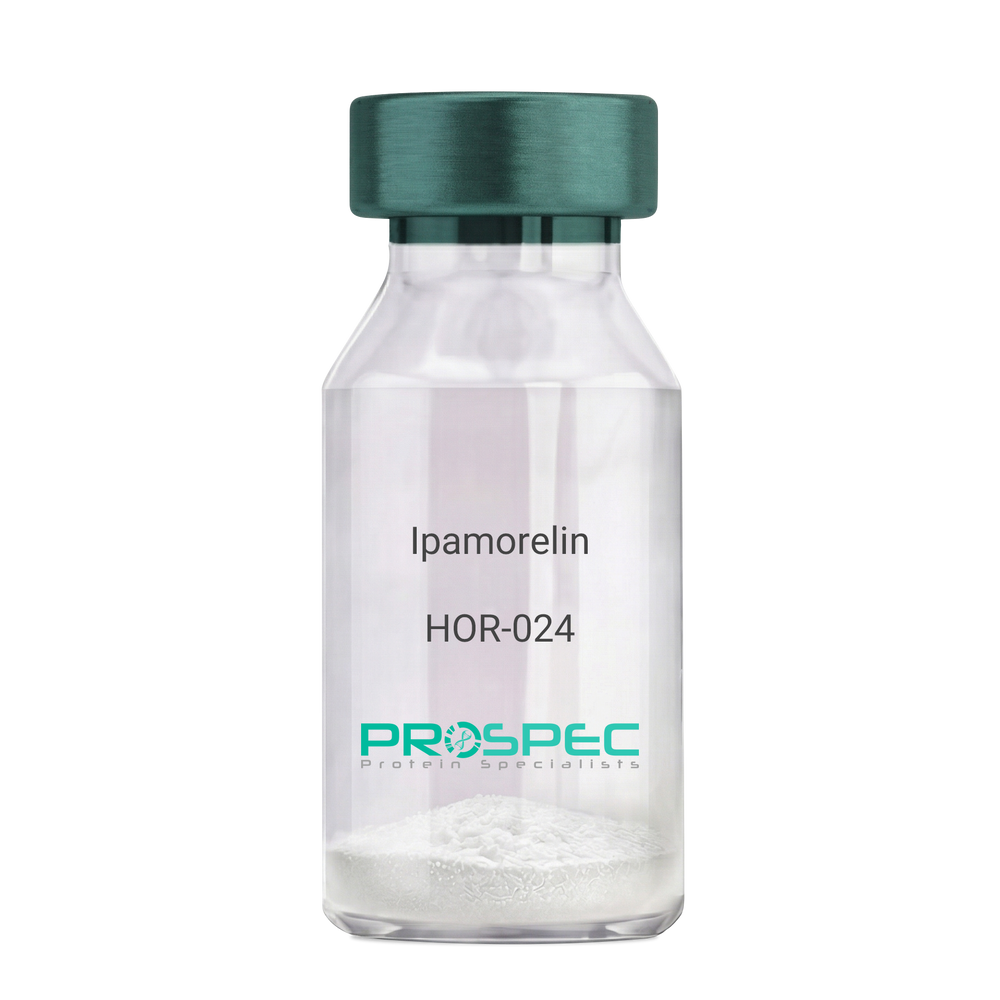
    Ipamorelin

    Description:

    Ipamorelin

    Ipamorelin

    Product # :

    HOR-024

    Price :

    Quantity :

    Shipping Method :

    Room Temp Icon

    Shipped at Room temp

    Add To Cart

    More Info

    • description
    • formulation
    • purity
    • More Info

    Description

    Ipamorelin Synthetic is a single, non-glycosylated polypeptide chain containing 4 amino acids, having a molecular mass of 711.85 Dalton and a Molecular formula of C38H49N9O5.

    Formulation

    The protein was lyophilized with no additives.

    Purity

    Greater than 97.0% as determined by analysis by RP-HPLC.

    More Info

    • Introduction

      Ipamorelin is a peptide selective agonist of the ghrelin/growth hormone secretagogue receptor and a growth hormone secretagogue. Ipamorelin is a pentapeptide that was derived from GHRP1. Ipamorelin significantly increases plasma growth hormone levels in both animals and humans. Like pralmorelin and GHRP-6, ipamorelin does not affect prolactin, FSH, LH or TSH levels. However, unlike GHRP2 and GHRP6, but as growth hormone-releasing hormone (GHRH), ipamorelin does not stimulate the secretion of adrenocorticotropic hormone (ACTH) or cortisol, and is highly selective for inducing the secretion only of GH.

    • Synonyms

      Ipamorelin

    • Physical Appearance

      Sterile Filtered White lyophilized (freeze-dried) powder.

    • Stability

      Lyophilized Ipamorelin although stable at room temperature for 3 weeks, should be stored desiccated below -18°C. Upon reconstitution Ipamorelin should be stored at 4°C between 2-7 days and for future use below -18°C. For long term storage it is recommended to add a carrier protein (0.1% HSA or BSA). Please prevent freeze-thaw cycles.

    • Solubility

      It is recommended to reconstitute the lyophilized Ipamorelin in sterile 18MΩ-cm H2O not less than 100 µg/ml, which can then be further diluted to other aqueous solutions.

    • Amino Acid Sequence

      Aib-His-D-2-Nal-D-Phe-Lys-NH2.

    ProSpec's products are furnished for LABORATORY RESEARCH USE ONLY. The product may not be used as drugs, agricultural or pesticidal products, food additives or household chemicals.

    Ipamorelin
  • View Data Sheet

    Name :

    UROD Human

    Description:

    Uroporphyrinogen Decarboxylase Human Recombinant

    UPD, PCT, EC 4.1.1.37, URO-D, UROD, Uroporphyrinogen Decarboxylase.

    Product # :

    ENZ-536

    Price :

    Quantity :

    Shipping Method :

    Ice Icon

    Shipped with Ice Packs

    Add To Cart

    More Info

    • description
    • source
    • formulation
    • purity
    • More Info

    Description

    UROD Recombinant Human produced in E.Coli is a single, non-glycosylated polypeptide chain containing 387 amino acids (1-367 a.a.) and having a molecular mass of 43 kDa. The UROD is fused to 20 amino acid His-Tag at N-terminus and purified by proprietary chromatographic techniques.

    Source

    Escherichia Coli.

    Formulation

    UROD Human solution containing 20mM Tris pH-8, 1mM DTT, 0.1M NaCl, 1mM EDTA & 20% glycerol.

    Purity

    Greater than 95.0% as determined by SDS-PAGE.

    More Info

    • Introduction

      UROD is the fifth enzyme in the human heme biosynthetic pathway and is in charge for the transfer of uroporphyrinogen to coproporphyrinogen through the deletion of four carboxymethyl side chains. UROD Mutations and deficiency result in 3 autosomal disorders in humans: familial porphyria cutanea tarda (f-PCT), sporadic porphyria cutanea tarda (s-PCT) and hepatoerythropoietic porphyria (HEP).

    • Synonyms

      UPD, PCT, EC 4.1.1.37, URO-D, UROD, Uroporphyrinogen Decarboxylase.

    • Physical Appearance

      Sterile filtered colorless solution.

    • Stability

      Store at 4°C if entire vial will be used within 2-4 weeks. Store, frozen at -20°C for longer periods of time. For long term storage it is recommended to add a carrier protein (0.1% HSA or BSA).Avoid multiple freeze-thaw cycles.

    • Amino Acid Sequence

      MGSSHHHHHH SSGLVPRGSH MEANGLGPQG FPELKNDTFL RAAWGEETDY TPVWCMRQAG RYLPEFRETR AAQDFFSTCR SPEACCELTL QPLRRFPLDA AIIFSDILVV PQALGMEVTM VPGKGPSFPE PLREEQDLER LRDPEVVASE LGYVFQAITL TRQRLAGRVP LIGFAGAPWT LMTYMVEGGG SSTMAQAKRW LYQRPQASHQ LLRILTDALV PYLVGQVVAG AQALQLFESH AGHLGPQLFN KFALPYIRDV AKQVKARLRE AGLAPVPMII FAKDGHFALE ELAQAGYEVV GLDWTVAPKK ARECVGKTVT LQVNLDPCAL YASEEEIGQL VKQMLDDFGP HRYIANLGHG LYPDMDPEHV GAFVDAVHKH SRLLRQN.

    ProSpec's products are furnished for LABORATORY RESEARCH USE ONLY. The product may not be used as drugs, agricultural or pesticidal products, food additives or household chemicals.

    Urod Human
  • View Data Sheet

    Name :

    TMOD3 Human

    Description:

    Tropomodulin 3 Human Recombinant

    Tropomodulin-3, Ubiquitous tropomodulin, U-Tmod, TMOD3, UTMOD.

    Product # :

    PRO-1165

    Price :

    Quantity :

    Shipping Method :

    Ice Icon

    Shipped with Ice Packs

    Add To Cart

    More Info

    • description
    • source
    • formulation
    • purity
    • More Info

    Description

    TMOD3 Human Recombinant produced in E.Coli is a single, non-glycosylated polypeptide chain containing 376 amino acids (1-352 a.a) and having a molecular mass of 42kDa.TMOD3 is fused to a 24 amino acid His-tag at N-terminus & purified by proprietary chromatographic techniques.

    Source

    Escherichia Coli.

    Formulation

    TMOD3 protein solution (0.25mg/ml) containing 20mM Tris-HCl buffer (pH 8.0), 0.15M NaCl and 10% glycerol.

    Purity

    Greater than 80.0% as determined by SDS-PAGE.

    More Info

    • Introduction

      Tropomodulin 3 (TMOD3) is a member of the tropomodulin family. TMOD3 prevents the elongation and depolymerization of the actin filaments at the pointed end. Actin cytoskeleton regulation by filament capping proteins is essential to many dynamic cellular functions. TMOD3 functions as a negative regulator of cell migration; nevertheless the processes behind its cellular functions are unknown. The Tmod/TM complex influences the formation of the short actin protofilament, which sequentially outlines the geometry of the membrane skeleton.

    • Synonyms

      Tropomodulin-3, Ubiquitous tropomodulin, U-Tmod, TMOD3, UTMOD.

    • Physical Appearance

      Sterile Filtered colorless solution.

    • Stability

      Store at 4°C if entire vial will be used within 2-4 weeks. Store, frozen at -20°C for longer periods of time. For long term storage it is recommended to add a carrier protein (0.1% HSA or BSA).Avoid multiple freeze-thaw cycles.

    • Amino Acid Sequence

      MGSSHHHHHH SSGLVPRGSH MGSHMALPFR KDLEKYKDLD EDELLGNLSE TELKQLETVL DDLDPENALL PAGFRQKNQT SKSTTGPFDR EHLLSYLEKE ALEHKDREDY VPYTGEKKGK IFIPKQKPVQ TFTEEKVSLD PELEEALTSA SDTELCDLAA ILGMHNLITN TKFCNIMGSS NGVDQEHFSN VVKGEKILPV FDEPPNPTNV EESLKRTKEN DAHLVEVNLN NIKNIPIPTL KDFAKALETN THVKCFSLAA TRSNDPVATA FAEMLKVNKT LKSLNVESNF ITGVGILALI DALRDNETLA ELKIDNQRQQ LGTAVELEMA KMLEENTNIL KFGYQFTQQG PRTRAANAIT KNNDLVRKRR VEGDHQ.

    ProSpec's products are furnished for LABORATORY RESEARCH USE ONLY. The product may not be used as drugs, agricultural or pesticidal products, food additives or household chemicals.

    Tmod3 Human
  • View Data Sheet

    Name :

    Ornipressin

    Description:

    Ornipressin

    Product # :

    HOR-036

    Price :

    Quantity :

    Shipping Method :

    Room Temp Icon

    Shipped at Room temp

    Add To Cart

    More Info

    • description
    • formulation
    • purity
    • More Info

    Description

    Ornipressin Synthetic is a single, non-glycosylated polypeptide chain containing 9 amino acids, having a molecular mass of 1042.19 Dalton and a Molecular formula of C45H63N13O12 S2.

    Formulation

    The protein was lyophilized with no additives.

    Purity

    Greater than 97.0% as determined by analysis by RP-HPLC.

    More Info

    • Physical Appearance

      Sterile Filtered White lyophilized (freeze-dried) powder.

    • Stability

      Lyophilized Ornipressin although stable at room temperature for 3 weeks, should be stored desiccated below -18°C. Upon reconstitution Ornipressin should be stored at 4°C between 2-7 days and for future use below -18°C. For long term storage it is recommended to add a carrier protein (0.1% HSA or BSA). Please prevent freeze-thaw cycles.

    • Solubility

      It is recommended to reconstitute the lyophilized Ornipressin in sterile 18MΩ-cm H2O not less than 100 µg/ml, which can then be further diluted to other aqueous solutions.

    • Amino Acid Sequence

      H-Cys-Tyr-Phe-Gln-Asn-Cys-Pro-Orn-Gly-NH2.

    • Background

      Ornipressin, a naturally occurring non-mammalian vasopressin analogue, has been recognized for its role in vasoconstriction and antidiuresis, making it an invaluable agent in certain clinical settings (Holmes et al., 2003). This paper aims to comprehensively review ornipressin's biochemical properties, its clinical applications, and potential future directions for therapeutic use.

      Ornipressin is characterized by its strong vasopressin V1 receptor agonist activity, resulting in intense vasoconstriction. It also exhibits antidiuretic properties through the activation of V2 receptors in the renal collecting ducts, albeit to a lesser extent compared to vasopressin (Evans & Davidson, 1964).

      Clinical applications of ornipressin are mainly driven by its potent vasoconstrictor activity. It has shown promise in managing esophageal variceal bleeding, where its vasoconstrictive properties help achieve hemostasis (Bosch et al., 2004).

      Furthermore, it has been used as a rescue therapy in vasodilatory shock, where traditional vasoconstrictors may have limited effect (Morelli et al., 2005).
      As our understanding of ornipressin continues to expand, future research is directed toward fine-tuning its application in various clinical scenarios and exploring potential new therapeutic roles. Current research is investigating the possible neuroprotective role of ornipressin in conditions such as cerebral ischemia (Uchida et al., 2010).

      Ornipressin, with its robust vasoconstrictor and antidiuretic properties, plays a crucial role in managing certain clinical situations. As we continue to explore this intriguing compound, its therapeutic potential appears to be far-reaching, warranting continued research in this field

    ProSpec's products are furnished for LABORATORY RESEARCH USE ONLY. The product may not be used as drugs, agricultural or pesticidal products, food additives or household chemicals.

    Ornipressin
  • View Data Sheet

    Name :

    UROS Human

    Description:

    Uroporphyrinogen III Synthase Human Recombinant

    Uroporphyrinogen-III synthase, UROIIIS, UROS, Hydroxymethylbilane hydrolyase [cyclizing], Uroporphyrinogen-III cosynthase.

    Product # :

    ENZ-140

    Price :

    Quantity :

    Shipping Method :

    Ice Icon

    Shipped with Ice Packs

    Add To Cart

    More Info

    • description
    • source
    • formulation
    • purity
    • More Info

    Description

    UROS produced in E.Coli is a single, non-glycosylated polypeptide chain containing 285 amino acids (1-265 a.a.) and having a molecular mass of 30.7kDa.UROS is fused to a 20 amino acid His-tag at N-terminus & purified by proprietary chromatographic techniques.

    Source

    Escherichia Coli.

    Formulation

    UROS protein solution (1mg/ml) containing 20mM Tris-HCl buffer (pH8.0), 10% glycerol and 0.1M NaCl.

    Purity

    Greater than 95.0% as determined by SDS-PAGE.

    More Info

    • Introduction

      Uroporphyrinogen III synthase (UROS) is an enzyme involved in the 4th step of porphyrin metabolism and in the conversion of hydroxymethyl bilane into uroporphyrinogen III. Defects in the UROS protein can cause molecular lesions which lead to the autosomal recessive Gunther disease, otherwise known as congenital erythropoietic porphyria (CEP).

    • Synonyms

      Uroporphyrinogen-III synthase, UROIIIS, UROS, Hydroxymethylbilane hydrolyase [cyclizing], Uroporphyrinogen-III cosynthase.

    • Physical Appearance

      Sterile filtered colorless solution.

    • Stability

      UROS Human Recombinant although stable at 4°C for 1 week, should be stored below -18°C. Please prevent freeze thaw cycles.

    • Amino Acid Sequence

      MGSSHHHHHH SSGLVPRGSH MKVLLLKDAK EDDCGQDPYI RELGLYGLEA TLIPVLSFEF LSLPSFSEKL SHPEDYGGLI FTSPRAVEAA ELCLEQNNKT EVWERSLKEK WNAKSVYVVG NATASLVSKI GLDTEGETCG NAEKLAEYIC SRESSALPLL FPCGNLKREI LPKALKDKGI AMESITVYQT VAHPGIQGNL NSYYSQQGVP ASITFFSPSG LTYSLKHIQE LSGDNIDQIK FAAIGPTTAR ALAAQGLPVS CTAESPTPQA LATGIRKALQ PHGCC.

    ProSpec's products are furnished for LABORATORY RESEARCH USE ONLY. The product may not be used as drugs, agricultural or pesticidal products, food additives or household chemicals.

    Uros Human
  • View Data Sheet

    Name :

    OCM Human

    Description:

    Oncomodulin-1 Human Recombinant

    Oncomodulin-1, OM, Parvalbumin beta, OCM, OCM1, OCMN.

    Product # :

    PRO-143

    Price :

    Quantity :

    Shipping Method :

    Room Temp Icon

    Shipped at Room temp

    Add To Cart

    More Info

    • description
    • source
    • formulation
    • More Info

    Description

    The Recombinant Human Oncomodulin-1 produced in E.coli has a molecular mass of 13.21kDa containing 117 amino acid residues of the human Oncomodulin-1 and fused to a 9 a.a. His tag at N-terminus.

    Source

    Escherichia Coli.

    Formulation

    Oncomodulin-1 was filtered (0.4 µm) and lyophilized from 0.5 mg/ml in 20mM Tris and 50mM NaCl, pH 7.5.

    More Info

    • Introduction

      Oncomodulin is a member of the superfamily of calmodulin proteins, otherwise known as the EF-hand proteins. It is a high-affinity calcium ion-binding protein. Oncomodulin is an oncodevelopmental protein which is found in early embryonic cells in the placenta and also in tumors.

    • Synonyms

      Oncomodulin-1, OM, Parvalbumin beta, OCM, OCM1, OCMN.

    • Stability

      Store lyophilized protein at -20°C. Aliquot the product after reconstitution to avoid repeated freezing/thawing cycles. Reconstituted protein can be stored at 4°C for a limited period of time; it does not show any change after two weeks at 4°C.

    • Solubility

      It is recommended to add deionized water to prepare a working stock solution of approximately 0.5 mg/ml and let the lyophilized pellet dissolve completely. Product is not sterile! Please filter the product by an appropriate sterile filter before using it in the cell culture.

    • Amino Acid Sequence

      MKHHHHHHAS ITDVLSADDI S ITDVLSADDI AAALQECRDP DTFEPQKFFQ TSGLSKMSAN QVKDVFRFID NDQSGYLDEE ELKFFLQKFE SGARELTESE TKSLMAAADN DGDGKIGAEE FQEMVHS.

    • Applications

      Western blotting.

    ProSpec's products are furnished for LABORATORY RESEARCH USE ONLY. The product may not be used as drugs, agricultural or pesticidal products, food additives or household chemicals.

    Ocm Human
  • View Data Sheet

    Name :

    Leuprorelin Human

    Description:

    Leuprolide Human

    Leuprolide, Leuprorelin.

    Product # :

    HOR-260

    Price :

    Quantity :

    Shipping Method :

    Room Temp Icon

    Shipped at Room temp

    Add To Cart

    More Info

    • description
    • formulation
    • purity
    • More Info

    Description

    Leuprolide Human Synthetic is a single, non-glycosylated, polypeptide chain containing 9 amino acids and having a molecular mass of 1209 Dalton. The molecular formula is C59H84N16O12.

    Formulation

    The Leuprorelin was lyophilized from a concentrated (1mg/ml) solution with no additives.

    Purity

    Greater than 98.0% as determined by RP-HPLC.

    More Info

    • Introduction

      Leuprorelin (INN) or leuprolide acetate (USAN) is a gonadotropin-releasing hormone agonist (GnRH agonist).
      By causing constant stimulation of the pituitaryGnRH receptors, it initially causes stimulation (flare), but thereafter decreases pituitary secretion (downregulation) of gonadotropins luteinizing hormone(LH) and follicle-stimulating hormone(FSH).
      Like other GnRH agonists, leuprolide may be used in the treatment of hormone-responsive cancers such as prostate canceror breast cancer, estrogen-dependent conditions (such as endometriosisor uterine fibroids), to treat precocious puberty, and to control ovarian stimulation in IVF.

    • Synonyms

      Leuprolide, Leuprorelin.

    • Physical Appearance

      Sterile Filtered White lyophilized (freeze-dried) powder.

    • Stability

      Lyophilized Leoprolide although stable at room temperature for 3 weeks, should be stored desiccated below -18°C. Upon reconstitution Leuprorelin should be stored at 4°C between 2-7 days and for future use below -18°C.For long term storage it is recommended to add a carrier protein (0.1% HSA or BSA).Please prevent freeze-thaw cycles.

    • Solubility

      It is recommended to reconstitute the lyophilized Leoprolide in sterile 18MΩ-cm H2O not less than 100µg/ml, which can then be further diluted to other aqueous solutions.

    • Amino Acid Sequence

      pGlu-His-Trp-Ser-Tyr-D-Leu-Leu-Arg-Pro-NHEt.

    ProSpec's products are furnished for LABORATORY RESEARCH USE ONLY. The product may not be used as drugs, agricultural or pesticidal products, food additives or household chemicals.

    Leuprolide Human
  • View Data Sheet

    Name :

    CALM2 Human

    Description:

    Calmodulin-2 Human Recombinant

    PHKD, CAMII, PHKD2, Calmodulin-2, CALM2, CALM1 protein, Phosphorylase kinase delta.

    Product # :

    PRO-618

    Price :

    Quantity :

    Shipping Method :

    Ice Icon

    Shipped with Ice Packs

    Add To Cart

    More Info

    • description
    • source
    • formulation
    • purity
    • More Info

    Description

    Recombinant CALM2 produced in E.Coli is a single, non-glycosylated polypeptide chain containing 149 amino acids and having a molecular mass of 16 kDa. CALM2 is purified by conventional chromatography techniques.

    Source

    Escherichia Coli.

    Formulation

    The CALM2 solution (1mg/ml) contains 20mM Tris-HCl, pH-7.5.

    Purity

    Greater than 90.0% as determined by:
    (a) Analysis by RP-HPLC.
    (b) Analysis by SDS-PAGE.

    More Info

    • Introduction

      Calmodulin-2 acts as an intracellular calcium sensor protein. When the intracellular Ca2+ concentration increases, calmodulin can bind up to four Ca2+, changing its conformation and regulating cellular functions such as activation or inhibition of a large number of enzymes, ion channels, and receptors. P53 protein stimulates CALM2 gene expression in 041 cells. CALM-2 is involved in the processes of Ca(2+)-induced neuronal cell death and the blockage of calmodulin attenuates brain injury after cerebral ischemia. Calmodulin-2 mediates the control of a large number of enzymes and other proteins by ca(2+). among the enzymes to be stimulated by the calmodulin-ca(2+) complex are a number of protein kinases and phosphatases.

    • Synonyms

      PHKD, CAMII, PHKD2, Calmodulin-2, CALM2, CALM1 protein, Phosphorylase kinase delta.

    • Physical Appearance

      Sterile filtered colorless solution.

    • Stability

      Store at 4°C if entire vial will be used within 2-4 weeks. Store, frozen at -20°C for longer periods of time. For long term storage it is recommended to add a carrier protein (0.1% HSA or BSA). Avoid multiple freeze-thaw cycles.

    • Amino Acid Sequence

      MADQLTEEQI AEFKEAFSLF DKDGDGTITT KELGTVMRSL GQNPTEAELQ DMINEVDADG NGTIDFPEFL TMMARKMKDT DSEEEIREAF RVFDKDGNGY ISAAELRHVM TNLGEKLTDE EVDEMIREAD IDGDGQVNYE EFVQMMTAK.

    ProSpec's products are furnished for LABORATORY RESEARCH USE ONLY. The product may not be used as drugs, agricultural or pesticidal products, food additives or household chemicals.

    Calm2 Human
  • View Data Sheet

    Name :

    Calmodulin Antibody

    Description:

    Calmodulin, Mouse Anti Human

    Calmodulin, CaM, CALM2, PHKD, CAMII, PHKD2, calmodulin 2, phosphorylase kinase delta.

    Product # :

    ANT-342

    Price :

    Quantity :

    Shipping Method :

    Ice Icon

    Shipped with Ice Packs

    Add To Cart

    More Info

    • formulation
    • More Info

    Formulation

    1mg/ml containing PBS, pH-7.4, & 0.1% Sodium Azide.

    More Info

    • Introduction

      Calmodulin (CaM) is an intracellular receptor protein for Ca2+-ions. It activates the myosin light chain kinase which is the catalyst of myosin phosphorylation. CaM participates in the activation of enzymes such as cyclic nucleotide- dependent phosphodiesterase, calcineurin, ATPase, Myosin Light Chain Kinases, and CAM kinase.

    • Synonyms

      Calmodulin, CaM, CALM2, PHKD, CAMII, PHKD2, calmodulin 2, phosphorylase kinase delta.

    • Immunogen

      Anti-human Calmodulin mAb is derived from hybridization of mouse F0 myeloma cells with spleen cells from BALB/c mice immunized with recombinant human Calmodulin amino acids 1-149 purified from E. coli.

    • Ig Subclass

      Mouse IgG2a heavy chain and κ light chain.

    • Clone

      PJ4D8AT.

    • Applications

      Calmodulin antibody has been tested by ELISA and Western blot analysis to assure specificity and reactivity. Since application varies, however, each investigation should be titrated by the reagent to obtain optimal results. Recommended dilution range for Western blot analysis is 1:500 ~ 1,000. Recommended starting dilution is 1:500.

    • Type

      Mouse Anti Human Monoclonal.

    • Storage Procedures

      For periods up to 1 month store at 4°C, for longer periods of time, store at -20°C. Prevent freeze thaw cycles.

    • Purification Method

      Calmodulin antibody was purified from mouse ascitic fluids by protein-G affinity chromatography.

    ProSpec's products are furnished for LABORATORY RESEARCH USE ONLY. The product may not be used as drugs, agricultural or pesticidal products, food additives or household chemicals.

    Calmodulin Antibody
  • View Data Sheet

    Name :

    UFM1 Human

    Description:

    Ubiquitin-Fold Modifier 1 Human Recombinant

    Ubiquitin-fold modifier 1, UFM1, C13orf20, BM-002, bA131P10.1.

    Product # :

    PRO-125

    Price :

    Quantity :

    Shipping Method :

    Ice Icon

    Shipped with Ice Packs

    Add To Cart

    More Info

    • description
    • source
    • formulation
    • purity
    • More Info

    Description

    UFM1 Human Recombinant fused with a20 amino acid His tag at N-terminus produced in E.Coli is a single, non-glycosylated, polypeptide chain containing103 amino acids (1-83 a.a) and having a molecular mass of 11.1kDa. The UFM1 is purified by proprietary chromatographic techniques.

    Source

    Escherichia Coli.

    Formulation

    The UFM1 solution (1 mg/ml) 20mM Tris buffer (pH 8.0) and 10% glycerol.

    Purity

    Greater than 95.0% as determined by SDS-PAGE.

    More Info

    • Introduction

      UFM1 is a ubiquitin-like protein which is conjugated to target proteins by E1-like activating enzyme UBA5 and E2-like conjugating enzyme UFC1 in a manner equivalent to ubiquitylation. UFM1 localizes principally to the nucleus, but is also present in diffuse amounts in the cytoplasm. UFM1 is expressed in a variety of tissues, including kidney, brain, heart, liver and lung.

    • Synonyms

      Ubiquitin-fold modifier 1, UFM1, C13orf20, BM-002, bA131P10.1.

    • Physical Appearance

      Sterile Filtered colorless solution.

    • Stability

      Store at 4°C if entire vial will be used within 2-4 weeks.Store, frozen at -20°C for longer periods of time. For long term storage it is recommended to add a carrier protein (0.1% HSA or BSA).Avoid multiple freeze-thaw cycles.

    • Amino Acid Sequence

      MGSSHHHHHH SSGLVPRGSH MSKVSFKITL TSDPRLPYKV LSVPESTPFT AVLKFAAEEF KVPAATSAII TNDGIGINPA QTAGNVFLKH GSELRIIPRD RVG.

    ProSpec's products are furnished for LABORATORY RESEARCH USE ONLY. The product may not be used as drugs, agricultural or pesticidal products, food additives or household chemicals.

    Ufm1 Human
  • View Data Sheet

    Name :

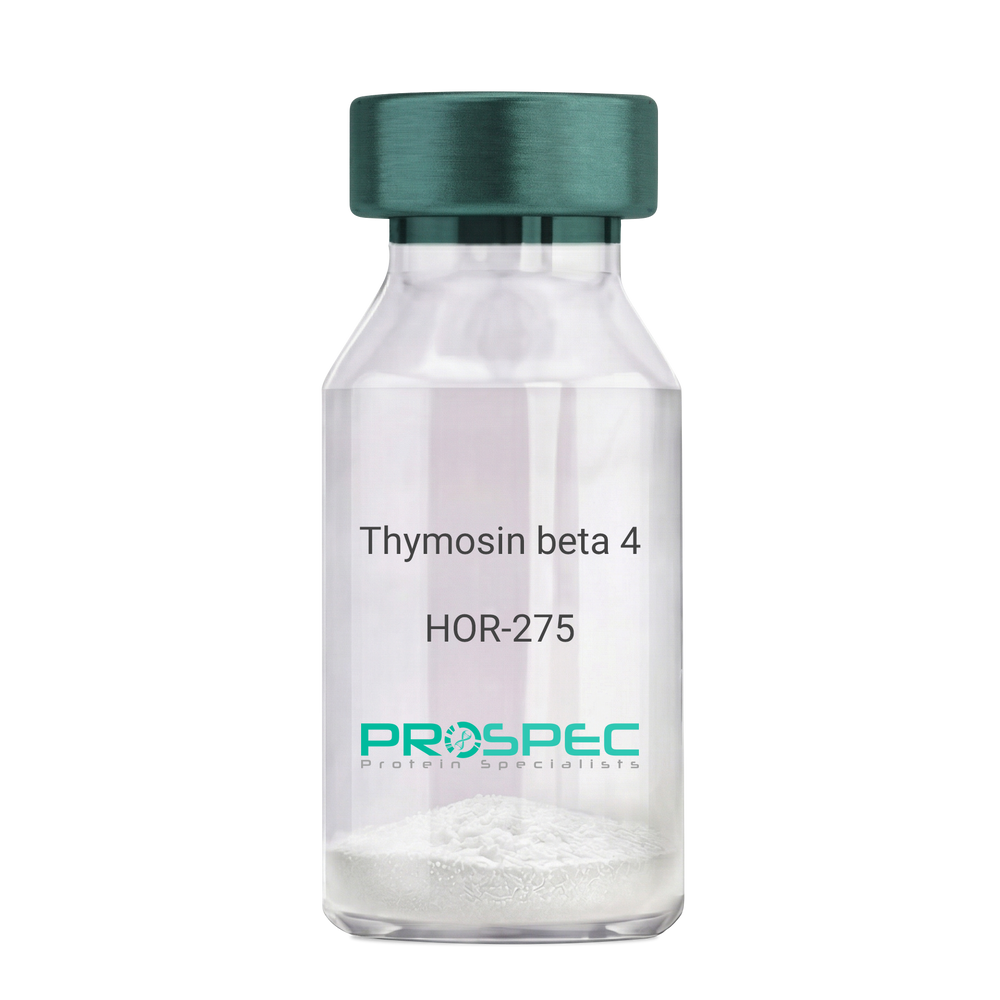
    Thymosin beta 4

    Description:

    Thymosin β4

    Thymosin beta-4. TB500, TB-500

    Product # :

    HOR-275

    Price :

    Quantity :

    Shipping Method :

    Room Temp Icon

    Shipped at Room temp

    Add To Cart

    More Info

    • description
    • formulation
    • purity
    • More Info

    Description

    Thymosin b4 is a 43 amino acid peptide which is regarded as the main intracellular G-actin sequestering peptide. It has a molecular weight of 4963.55 Da, and its molecular formula is: C212H350N56O78S1. Extracellular Thymosin b4 may contribute to physiological processes such as angiogenesis, wound healing, and regulation of inflammation.

    Formulation

    The protein (1mg/ml) was lyophilized with no additives.

    Purity

    Greater than 98.0% as determined by RP-HPLC.

    More Info

    • Introduction

      Thymosin is a hormone secreted from the thymus. Its primary function is to stimulate the production of T cells, which are an important part of the immune system. Thymosin also assists in the development of B cells to plasma cells to produce antibodies. The predominant form of thymosin, thymosin b4, is a member of a highly conserved family of actin monomer-sequestering proteins. b-thymosins are the primary regulators of unpolymerized actin, and are essential for maintaining the small cytoplasmic pool of free G-actin monomers required for rapid filament elongation and allowing for the flux of monomers between the thymosin-bound pool and F-actin.

    • Synonyms

      Thymosin beta-4. TB500, TB-500

    • Physical Appearance

      Sterile Filtered White lyophilized (freeze-dried) powder.

    • Stability

      Lyophilized Thymosin b4 although stable at room temperature for 3 weeks, should be stored desiccated below -18°C. Upon reconstitution T beta 4 should be stored at 4°C between 2-7 days and for future use below -18°C.For long term storage it is recommended to add a carrier protein (0.1% HSA or BSA).Please prevent freeze-thaw cycles.

    • Solubility

      It is recommended to reconstitute the lyophilized Thymosin beta-4 in sterile 18MΩ-cm H2O not less than 100 µg/ml, which can then be further diluted to other aqueous solutions.

    • Amino Acid Sequence

      Thymosin b4 has an a.a. sequence of Ac-Ser-Asp-Lys-Pro-Asp-Met-Ala-Glu-Ile-Glu-Lys-Phe-Asp-Lys-Ser-Lys-Leu-Lys-Lys-Thr-Glu-Thr-Gln-Glu-Lys-Asn-Pro-Leu-Pro-Ser-Lys-Glu-Thr-Ile-Glu-Gln-Glu-Lys-Gln-Ala-Gly-Glu-Ser-OH.

    ProSpec's products are furnished for LABORATORY RESEARCH USE ONLY. The product may not be used as drugs, agricultural or pesticidal products, food additives or household chemicals.

    Thymosin Beta 4
  • View Data Sheet

    Name :

    UCHL1 (1-126) Human

    Description:

    Ubiquitin Carboxyl-Terminal Hydrolase L1 (1-126) Human Recombinant

    PGP 9.5, UCHL1, PGP9.5, PARK5.

    Product # :

    PRO-2823

    Price :

    Quantity :

    Shipping Method :

    Room Temp Icon

    Shipped at Room temp

    Add To Cart

    More Info

    • description
    • source
    • formulation
    • purity
    • More Info

    Description

    The UCHL1 Human is created as a recombinant protein with a 4kda N-terminal fusion of His Tag. The UCHL1 His-Tagged Fusion Protein, produced in E. coli, is a 19kDa protein containing 126 amino acid residues of the UCHL1 Human, 1-126 amino acids.

    Source

    Escherichia Coli.

    Formulation

    Each mg was lyophilized with 1xPBS, 0.4% SDS and 4mM DTT.

    Purity

    Greater than 90% as determined by SDS-PAGE.

    More Info

    • Synonyms

      PGP 9.5, UCHL1, PGP9.5, PARK5.

    • Physical Appearance

      Filtered White lyophilized (freeze-dried) powder.

    • Stability

      Store lyophilized UCHL1 at -20°C. Aliquot the product after reconstitution to avoid repeated freezing/thawing cycles. Reconstituted protein can be stored at 4°C for a limited period of time; it does not show any change after two weeks at 4°C.

    • Solubility

      It is recommended to add deionized water to prepare a working stock solution of approximately 0.5mg/ml and let the lyophilized pellet dissolve completely. Product is not sterile! Please filter the product by an appropriate sterile filter before using it on cell culture.

    • Background

      Human Ubiquitin Carboxyl-Terminal Hydrolase L1 (UCH-L1) is an important enzyme involved in the ubiquitin-proteasome system, which regulates protein degradation and turnover in cells.

      UCHL1 Function:

      UCHL1 mainly removes ubiquitin molecules from proteins, thereby recycling ubiquitin and regulating protein stability. This action is important for controlling various cellular processes and maintaining cellular homeostasis and.

      UCHL1 Structure

      UCHL1 is characterized by a catalytic domain which facilitates its hydrolase activity, allowing it to cleave ubiquitin from substrates.

      UCHL1 Role in Neurodegeneration

      UCHL1 has been implicated in neurodegenerative diseases, such as Parkinson’s and Alzheimer's disease. Its expression levels and activity can affect neuronal survival and function.

      UCH-L1 is also studied in the context of cancer. Altered levels of UCHL1 may affect on tumour progression and response to therapy.

      UCHL1 Biomarker Potential

      UCHL1 is being investigated as a potential biomarker for diseases, especially neurodegenerative disorders due to its involvement in various pathologies.

      UCHL1 Research

      Ongoing studies focus on understanding its role in various cellular contexts, its regulation, and its potential as a therapeutic target.

      In conclusion, UCHL1 is a very important component of cellular regulation, with implications in health and disease.

    ProSpec's products are furnished for LABORATORY RESEARCH USE ONLY. The product may not be used as drugs, agricultural or pesticidal products, food additives or household chemicals.

    Uchl1 Protein
  • View Data Sheet

    Name :

    Ganirelix peptide

    Description:

    Ganirelix

    Product # :

    HOR-276

    Price :

    Quantity :

    Shipping Method :

    Ice Icon

    Shipped with Ice Packs

    Add To Cart

    More Info

    • description
    • formulation
    • purity
    • More Info

    Description

    Ganirelix acetate is a synthetic decapeptide with high antagonistic activity against naturally occurring gonadotropin-releasing hormone (GnRH). Ganirelix acetate is derived from native GnRH with substitutions of amino acids at positions 1, 2, 3, 6, 8, and 10 to form the following molecular formula of the peptide: N-acetyl-3-(2-napthyl)-D-alanyl-4-chloro-D-phenylalanyl-3-(3-pyridyl)-D-alanyl-L-seryl-L-tyrosyl-N 9 ,N 10 -diethyl- D-homoarginyl-L-leucyl-N 9 ,N 10 -diethyl-L-homoarginyl-L-prolyl-D-alanylamide acetate. The molecular weight for Ganirelix acetate is 1570.4 Dalton as an anhydrous free base.

    Formulation

    The Ganirelix hormone (0.5mg/ml) contains 0.1mg acetic acid and 23.5mg mannitol pH-5.

    Purity

    Greater than 98.0% as determined by:
    (a) Analysis by RP-HPLC.
    (b) Analysis by SDS-PAGE.

    More Info

    • Physical Appearance

      Sterile Filtered colorless liquid formulation.

    • Stability

      Ganirelix should be stored between 2°C- 8°C at all time. DO NOT FREEZE.

    • Background

      What is the molecular weight/Mw of GANIRELIX PEPTIDE Protein?
      GANIRELIX PEPTIDE Protein has a total Mw of 1.57kDa.


      What is the Purity of GANIRELIX PEPTIDE Protein?
      GANIRELIX PEPTIDE Protein is >98% pure as determined by SDS-PAGE.

      What is the Biological Activity of GANIRELIX PEPTIDE Protein?
      The biological functionality of GANIRELIX PEPTIDE Protein will be determined in the future.


      What applications can GANIRELIX PEPTIDE Protein be used in?
      GANIRELIX PEPTIDE Protein can probably be used in western blot, ELISA and Lateral Flow.

      What is the endotoxin level for GANIRELIX PEPTIDE Protein?
      The endotoxin level is minimal, GANIRELIX PEPTIDE Protein was purified using conventional chromatography techniques.


    ProSpec's products are furnished for LABORATORY RESEARCH USE ONLY. The product may not be used as drugs, agricultural or pesticidal products, food additives or household chemicals.

    Ganirelix
  • View Data Sheet

    Name :

    ORM1 Human, HEK

    Description:

    Orosomucoid 1 Human Recombinant, HEK

    Orosomucoid 1, ORM, AGP1, OMD 1, AGP-A, alpha-1-acid glycoprotein 1.

    Product # :

    PRO-2764

    Price :

    Quantity :

    Shipping Method :

    Ice Icon

    Shipped with Ice Packs

    Add To Cart

    More Info

    • description
    • source
    • formulation
    • purity
    • More Info

    Description

    ORM1 Human Recombinant produced in HEK is a polypeptide chain containing 189 amino acids (19-201) and having a molecular mass of 22.4 kDa. The ORM1 is fused to a 6 a.a. amino acid His tag at C-terminus & purified by proprietary chromatographic techniques.

    Source

    HEK293

    Formulation

    The ORM1 solution (1mg/ml) contains 1x PBS pH-7 and 10% glycerol.

    Purity

    Greater than 90% as determined by SDS-PAGE.

    More Info

    • Introduction

      The acute phase plasma protein ORM1 synthesized by the liver mediates the interaction between blood cells and endothelial cells. In addition, together with haptoglobin and C reactive protein, ORM1 regulates the extravasation of the cells through infection and inflammation. Expression of ORM1 is induced by acute-phase stimulatory mediators such as bacterial lipopolysaccharides.

    • Synonyms

      Orosomucoid 1, ORM, AGP1, OMD 1, AGP-A, alpha-1-acid glycoprotein 1.

    • Physical Appearance

      Sterile Filtered colorless solution.

    • Stability

      Store at 4°C if entire vial will be used within 2-4 weeks. Store, frozen at -20°C for longer periods of time. For long term storage it is recommended to add a carrier protein (0.1% HSA or BSA).Avoid multiple freeze-thaw cycles.

    • Amino Acid Sequence

      QIPLCANLVP VPITNATLDR ITGKWFYIAS AFRNEEYNKS VQEIQATFFY FTPNKTEDTI FLREYQTRQD QCIYNTTYLN VQRENGTISR YVGGQEHFAH LLILRDTKTY MLAFDVNDEK NWGLSVYADK PETTKEQLGE FYEALDCLRI PKSDVVYTDW KKDKCEPLEK QHEKERKQEE GES HHHHHH

    ProSpec's products are furnished for LABORATORY RESEARCH USE ONLY. The product may not be used as drugs, agricultural or pesticidal products, food additives or household chemicals.

    Orm1 Protein
  • 1
  • 2
  • 3
  • …
  • 42
Your browser does not support the video tag.

Products

  • Cytokines
  • Growth Factors
  • Chemokines
  • CD Antigens
  • Neurotrophins
  • Hormones
  • Enzymes
  • Viral Antigens
  • Recombinant Proteins
  • Natural Proteins
  • Monoclonal Antibodies
  • Polyclonal Antibodies
  • Thermal Packaging

About

  • Company
  • Founder
  • Contribution
  • Contact Us
  • My Account

Ordering

  • Ordering Method
  • Ordering - Credit Card
  • Ordering PO
  • Shipping Fees
  • FAQ's

Legal

  • Terms & Conditions
  • Privacy
  • Site Map
  • info@prospecbio.com
  • Facebook
  • Instagram
  • Linkedin Profile

© 2026 ProSpec-Tany TechnoGene Ltd. All Rights Reserved.

  • Choosing a selection results in a full page refresh.
  • Opens in a new window.